
Watering
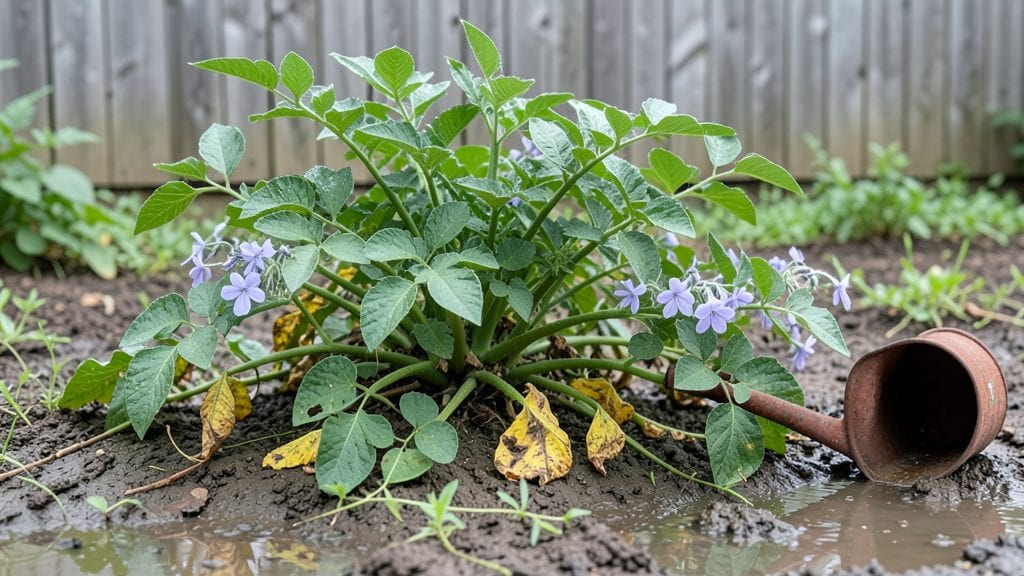
Overwatered potato plants can turn a promising harvest into a soggy mess—fast. 🌱 I’ve pulled more than a few from the brink after they wilted or developed that telltale yellowing, and the secret to revival isn’t complicated: it’s all about cutting off the excess moisture and giving roots room to breathe again.
The good news? With the right moves, you can turn things around in just 24 hours—no matter if they’re in containers or planted in the ground.
Here’s the thing—potatoes hate soggy feet. When soil stays too wet, roots suffocate, fungal diseases like blight move in, and leaves turn yellow or mushy. I’ve seen gardeners panic and dig up plants, but that’s the wrong move.
Instead, focus on draining excess water, trimming back any rotten foliage, and loosening compacted soil to help roots recover. It’s not about saving every leaf, but about giving the plant a fighting chance to bounce back.
By the end of the day, you’ll have a plant that’s no longer drowning in its own waterlogged soil. The stems will firm up, new green shoots may even appear, and the tubers below will start storing energy instead of rotting.
The key is acting fast—before the roots give up completely. Let’s get those potatoes back on track!
This works for both container growers and in-ground beds, though container plants recover faster since you can control drainage better. If your soil stays heavy clay or you’re in a rainy season, we’ll also cover long-term fixes to keep this from happening again. Ready to save your harvest?
Root Causes Of Soggy Soil Struggles
When your potato plants start looking more like a swamp than a thriving crop, it’s usually because water isn’t just a friend—it’s turning into a foe. Understanding the why behind overwatering is the first step to saving your tubers.
Let’s dig into the science and common mistakes that leave your soil too wet for potatoes to flourish.
Potatoes hate soggy feet—literally. Their roots need aeration to absorb oxygen and nutrients efficiently. If your soil or container lacks proper drainage, excess water pools around the roots, suffocating them. Here’s why this happens:
- Compacted or clay-heavy soil: These soils repel water instead of absorbing it, creating a waterlogged layer where roots can’t breathe. Test it: Dig a hole—if water sits in it after 30 minutes, drainage is the issue.
- Containers without drainage holes: Pots act like bathtubs if they don’t have exits for excess water. Even "self-watering" pots can trap moisture if not monitored.
- No raised beds or mounds: Flat-ground planting forces water to pool, especially in rainy climates. Potatoes thrive in loose, well-draining soil with a slight elevation.
Actionable fix: Amend clay soil with compost or sand, elevate planting beds, and always use containers with drainage holes. If repotting, choose pots with multiple drainage points.
Potatoes are drought-tolerant once established, but many gardeners treat them like lettuce—daily sips instead of deep, infrequent drinks. Overwatering disrupts the soil’s moisture balance, leading to:
- Root rot from constant moisture: Fungal pathogens like Phytophthora thrive in waterlogged conditions, rotting roots before they can store energy in tubers.
- Nutrient leaching: Excess water washes away essential minerals (like nitrogen and potassium) that potatoes need for growth.
- Stunted foliage: Wilting leaves? It’s not always underwatering—overwatering can drown roots, cutting off the plant’s water supply from below.
Actionable fix: Water deeply 1–2 times per week (adjust for climate), then let the top 2–3 inches of soil dry out before repeating. Use a moisture meter or the finger test to avoid guesswork.
Potatoes are sensitive to temperature and humidity. Overwatering becomes a bigger problem when:
- Cool, cloudy weather slows evaporation: If temps drop below 60°F (15°C), soil stays damp longer, increasing rot risk.
- High humidity traps moisture: In rainy or muggy seasons, water doesn’t evaporate, creating a perfect storm for fungal diseases like late blight.
- No mulch to regulate soil temp: Mulch helps soil dry evenly. Without it, water sits closer to the surface, encouraging rot at the base of stems.
Actionable fix: Reduce watering by 30–50% in cool/humid weather. Add 2–3 inches of straw or wood chips as mulch to balance moisture and insulate roots.
Timing matters more than you think. Planting potatoes when the soil is still cold or when heavy rains are forecast sets them up for failure:
- Early planting in cold soil: Roots grow slowly, making them vulnerable to rot before they establish a strong network.
- Late planting before harvest season: If planted too close to fall rains, tubers swell in soggy soil, leading to hollow heart (a common overwatering symptom).
- No hardening-off period: Transplanting seedlings without acclimating them to outdoor conditions stresses roots, making them more susceptible to waterlogging.
Actionable fix: Plant when soil reaches 45–55°F (7–13°C) and at least 2 weeks before the last frost. For containers, use fast-draining mixes (like 60% peat/40% perlite) to prevent early rot.
Pro tip: 🌡️ Monitor soil temp with a thermometer—potatoes need consistent warmth (above 50°F/10°C) to avoid waterlogging issues. If your soil stays cold, delay planting or choose faster-maturing varieties.
How to Revive Your Soggy Spuds
If your potato plants are drowning in excess moisture, don’t panic—there’s still hope! The key is acting fast to prevent rot and restore balance. Below, we’ll break down the most common causes of overwatering and the practical fixes to get your plants back on track.
Plus, we’ll share preventive tips to keep future harvests thriving.
If your soil is waterlogged (test by squeezing a handful—if it stays clumped, you’ve overdone it), follow these steps to save your tubers before they rot:
🔥 Step 1: Stop Watering Immediately
- Why? Potatoes need well-draining soil. More water = more stress.
- How? Pause irrigation for 2–3 days to let excess moisture evaporate.
- Pro Tip: 💡 If your garden has poor drainage (clay soil, no slope), consider raised beds next season—they dry faster!
🍳 Step 2: Fluff and Aerate the Soil
- Why? Compacted, soggy soil traps moisture and cuts off oxygen to roots.
- How?
- Gently loosen the top 4–6 inches of soil around plants with a fork or trowel.
- Avoid digging too deep—you’ll damage tubers!
- Mix in coarse sand or perlite (1 part to 3 parts soil) to improve drainage.
👨🍳 Step 3: Boost Soil Drainage
- For Containers:
- Check drainage holes—are they clogged? Clean them out.
- Add a 2-inch layer of gravel or pebbles at the bottom before repotting.
- For Garden Beds:
- Create mini trenches around plants to redirect water away from roots.
- Mulch with straw or wood chips (but keep it 2–3 inches away from stems to prevent rot).
⏰ Step 4: Monitor and Adjust Watering
- Signs You’re Overwatering:
- Yellowing leaves (especially lower ones).
- Mushy, blackened stems or foliage.
- Soil that smells like rot or stays soggy for >48 hours.
- Fix: Water only when the top 1–2 inches of soil feel dry. Use a moisture meter for accuracy!
If your plants look sad but the soil is not waterlogged, the issue might be root suffocation or fungal stress. Here’s how to revive them:
🔪 Step 1: Prune Damaged Foliage
- Why? Removing diseased or wilted leaves helps the plant focus energy on recovery.
- How?
- Snip off yellow, brown, or mushy leaves with clean scissors.
- Avoid cutting more than 1/3 of the plant at once.
🌿 Step 2: Support Root Health
- For Fungal Issues (e.g., late blight):
- Spray leaves with a baking soda solution (1 tsp baking soda + 1 quart water + a drop of dish soap).
- Apply copper fungicide if blight is spreading.
- For Nutrient Deficiency:
- Feed with a balanced fertilizer (10-10-10) or compost tea to replenish nutrients.
✨ Step 3: Optimize Light and Airflow
- Why? Potatoes need 6+ hours of sunlight daily and good airflow to dry out.
- How?
- Thin out crowded plants to 12–18 inches apart.
- Move container plants to a sunnier spot if possible.
Once your plants are back on track, prevent future overwatering with these easy habits:
- 💡 Test Soil Moisture: Stick your finger in the soil—if it’s damp below 1 inch, wait to water.
- 🌡️ Water Deeply, Less Often: Give plants 1–1.5 inches of water per week (including rain) rather than daily light sprinkles.
- 🥗 Choose the Right Soil: Amend garden beds with compost or coconut coir to improve drainage.
- 🍎 Use Mulch Wisely: Apply straw or grass clippings to retain moisture without smothering plants.
- 📊 Harvest Early: If your area gets heavy rain, consider harvesting new potatoes (small tubers) before they’re fully mature to avoid rot.
With these fixes, your potato plants should bounce back in 3–7 days. Keep an eye on them, and soon you’ll be digging up plump, healthy spuds instead of soggy disappointments! 🥔✨
Frequently asked questions
Why do my potato plant leaves turn yellow when overwatered?
Yellowing leaves are a classic sign of overwatering because excess moisture blocks oxygen from reaching the roots. When roots suffocate, they can't absorb nutrients efficiently, causing leaves to turn yellow first at the bottom. This is different from nutrient deficiencies—overwatering often makes the soil smell sour or rotten.
Can I still save my potatoes if the stems are mushy or black?
If stems are mushy or black, fungal rot has likely set in. While you can prune back the affected parts, the tubers may already be compromised. Focus on saving the healthy foliage and improving drainage immediately. For future plants, use copper fungicide as a preventative measure during rainy seasons.
How often should I water potato plants in containers vs. garden beds?
Container plants need watering every 2-3 days (check when top inch feels dry), while garden beds only need 1-2 times per week. Containers dry out faster, so monitor drainage holes—if water pools in the saucer, empty it immediately. Mulch helps garden beds retain moisture without overwatering.
Will overwatered potatoes still produce tubers?
Yes, but quality suffers. Overwatering causes tubers to develop hollow hearts or rot before harvest. The plant may still produce small potatoes, but they'll be less flavorful. For best results, adjust watering immediately and consider harvesting new potatoes (small tubers) before they mature fully.
What's the best way to test if my soil is too wet?
Use the squeeze test: Grab a handful of soil—if it stays clumped when squeezed, it's too wet. For containers, stick your finger in: if moisture extends below 1 inch, wait to water. A moisture meter (under $10) gives precise readings and prevents guesswork.