
Watering
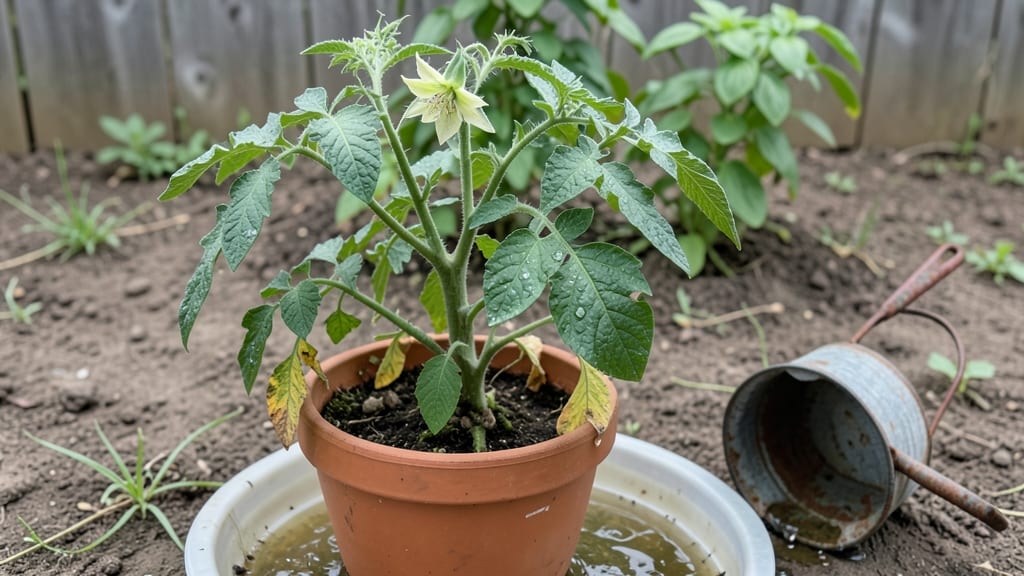
When your plant leaves look like they’ve been through a water balloon fight—puffy, cracked, or just plain sad—that’s edema, and it’s 100% caused by overwatering. 🌱 I’ve seen this happen to tomatoes, peppers, and even my prized ferns, and the fix isn’t as scary as it sounds.
The good news? You can reverse it with just three adjustments, no fancy tools required.
Edema starts when roots drown, forcing water into leaf tissues like a clogged sink. Poor drainage or soggy soil turns leaves into blisters, and before you know it, your plant’s struggling to breathe.
I used to think wilting meant underwatering—until I learned the hard way that too much water chokes plants just as fast as too little. The key is cutting back on water, improving airflow, and giving roots room to recover.
By the time you’re done, your plant will bounce back with crisp, healthy leaves—no more sad, swollen patches. Tomatoes and peppers respond fastest, but even houseplants perk up once you adjust their care.
The secret? Let the top inch of soil dry out before watering again, and add perlite or sand to heavy soils for better drainage.
This works for containers, raised beds, or in-ground gardens—just match the fix to your setup. Once you’ve got the rhythm, you’ll spot edema early and stop it before it starts. Let’s get those plants back to their best!
Root Causes Of Plant Edema
When your plants start showing signs of edema—those unsightly, swollen bumps or blisters on leaves—it’s often a cry for help from roots struggling to keep up. Overwatering is the usual villain, but the science behind it is more nuanced than just "too much water."
Let’s break down why this happens, so you can fix it (and prevent it next time).
Plants need water, but when soil stays chronically soggy, roots can’t absorb oxygen efficiently. This triggers a physiological response called hydroponic stress, where cells in leaves take up more water than they can process. The result? Swollen, puffy tissue as water gets "trapped" in leaf cells.
- Why it happens: Poor drainage forces roots to suffocate, slowing water uptake. The plant’s vascular system (xylem) gets overwhelmed, and excess water leaks into leaf cells via osmotic pressure.
- Actionable fix:
- Test your soil’s drainage—if water pools after 30 minutes, amend with perlite or sand.
- Use pots with drainage holes and raise containers slightly to improve airflow.
Edema often flares up when plants experience hot days followed by cool, humid nights. The contrast causes stomata (leaf pores) to close during heat, trapping water inside. When humidity spikes at night, the plant can’t release excess moisture, leading to swelling.
- Why it happens: Stomata close to prevent water loss in heat, but if humidity rises later, the plant’s transpiration system gets "stuck." Water accumulates in leaf cells, causing edema.
- Actionable fix:
- Move potted plants to shaded areas during peak sun (10 AM–4 PM).
- Use a hygrometer to monitor humidity—ideal levels are 40–60%.
Too many soluble salts or nitrogen-heavy fertilizers can disrupt cellular function, making plants more susceptible to edema. Excess nutrients alter osmotic pressure, forcing water into leaf cells where it doesn’t belong.
| Nutrient Issue | Edema Trigger | Fix It |
|---|---|---|
| High nitrogen (N) | Encourages rapid growth but weakens cell walls, making them prone to waterlogging. | Flush soil with water to leach excess salts; switch to a balanced fertilizer (e.g., 10-10-10). |
| Calcium deficiency | Weakens cell membranes, allowing water to seep into leaf tissues uncontrollably. | Apply calcium-rich amendments like crushed eggshells or gypsum. |
Plants thrive on consistency. If you switch from underwatering to heavy, frequent watering, roots can’t adjust fast enough. The abrupt shift causes water to rush into leaves before the plant’s vascular system can regulate it.
- Why it happens: Roots take time to develop new xylem tissue. A sudden water surge overwhelms the plant’s ability to transport water efficiently.
- Actionable fix:
- Gradually increase watering frequency over 2–3 weeks if transitioning from dry to moist soil.
- Avoid bottom-watering if soil is already damp—stick to surface watering in moderation.
Some plants are genetically prone to edema, especially those with thick, fleshy leaves or tropical origins. Succulents, citrus trees, and hibiscus are classic examples—their natural water-storage traits make them more susceptible when overwatered.
- Why it happens: These plants evolved to handle drought but struggle with excess moisture. Their leaves lack efficient transpiration pathways to release water quickly.
- Actionable fix:
- Choose well-draining mixes for susceptible plants (e.g., cacti: 60% mineral grit, 40% potting soil).
- Prune affected leaves to reduce water stress on the plant.
💡 Pro Tip: If you’re unsure whether your plant is overwatered, do the finger test—stick your finger 1–2 inches into the soil. If it’s damp, wait. If it’s bone-dry, water deeply but only until excess drains out.
Fixing Waterlogged Plant Stress
Overwatered plants with edema don’t just need a quick fix—they need a system reset to heal and thrive. Below, we’ll tackle the root causes (literally!) with practical, step-by-step solutions, so you can revive your drooping leaves and keep them healthy long-term.
If your plant’s edema stems from overzealous watering, the first step is to stop the flood. Here’s how to recalibrate:
- 🔥 Let the Soil Dry Out - Before watering again, stick your finger 1–2 inches into the soil. If it’s damp, wait. If it’s bone-dry, water lightly. - For heavy pots (like terracotta), water only when the top 50% feels dry.
For plastic pots, wait until the entire soil profile is dry. - Pro Tip: 🌡️ Use a moisture meter—it takes the guesswork out of watering!
- 👨🍳 Water Less, But Deeply
- Instead of frequent shallow waterings, soak the plant thoroughly until water drains from the bottom. Then, let it dry out completely before the next session.
- Exception: Tropical plants (like calatheas or ferns) may need consistent humidity—just ensure their soil isn’t soggy.
- ⏰ Establish a Watering Schedule
- Track your plant’s needs for 2–4 weeks to find its ideal rhythm. Most houseplants prefer once every 7–14 days, depending on light and pot size.
If water sits in the pot, roots suffocate and edema spreads. Fix this ASAP:
- 🔪 Check the Drainage Holes
- If your pot has no holes, transfer the plant to one that does. If holes are clogged, soak the pot in warm water to dissolve mineral buildup, then rinse.
- 🥘 Add a Drainage Layer
- Line the bottom of the pot with 1–2 inches of gravel, perlite, or broken pottery shards to create airflow and prevent compaction.
- ✨ Use Well-Draining Soil
- Mix in 20–30% perlite, orchid bark, or coco coir into your potting mix to improve aeration. Avoid heavy garden soil—it holds too much moisture.
Edema can flare up when high humidity meets poor airflow. Adjust the environment:
- 💡 Increase Airflow (But Not Drafts!)
- Place a small fan near the plant (on low) to gently circulate air without blasting it. This mimics natural wind and reduces humidity stress.
- 🎯 Control Humidity Levels
- For plants like calatheas or peace lilies, aim for 40–60% humidity. Use a humidifier or group plants together to create a microclimate.
- Avoid: Mist leaves if your plant has edema-prone foliage (like succulents)—this can worsen the issue.
Once your plant recovers, lock in healthy habits to prevent a relapse:
- 🌱 Pot Size Matters
- Choose a pot only 1–2 inches larger than the root ball. Oversized pots hold excess moisture.
- 📊 Monitor Leaf Health
- Yellowing leaves? Cut back on water. Crispy edges? Increase humidity slightly.
- 🍎 Rotate Your Plant
- Give it quarter-turns weekly so all sides get even light and airflow.
- 🔥 Prune Damaged Foliage
- Snip off severely affected leaves with clean scissors to redirect the plant’s energy to new growth.
Final Note: Recovery takes 2–4 weeks, but with these fixes, your plant will bounce back—and stay happy. Consistency is key! 🌿
Frequently asked questions
What do swollen or blistered leaves actually mean?
Those puffy, cracked patches are your plant’s cells filling with excess water—like a balloon overinflated. When roots can’t process moisture fast enough (usually from poor drainage or overwatering), water gets "trapped" in leaf tissues, creating edema. It’s your plant’s way of saying "I’m drowning!"
Can I save a plant with severe edema?
Yes! Start by stopping all watering and improving drainage. Prune severely affected leaves to reduce stress, then repot with fresh, well-draining soil. Most plants recover within 2-4 weeks if you catch it early—just don’t overwater again!
Why does my tomato plant get edema but my basil doesn’t?
Some plants (like tomatoes, peppers, and succulents) are more prone to edema because their leaves can’t release excess water quickly. Basil, on the other hand, handles humidity better. The key difference? Leaf structure—thicker, fleshy leaves trap water easier.
Is edema the same as root rot?
No, but they’re often linked! Edema is a leaf issue caused by overwatering, while root rot happens when roots suffocate in soggy soil. Both stem from poor drainage, but edema appears above ground (swollen leaves), while root rot shows as yellowing, wilting, or mushy stems.
How do I know if my plant needs more or less water?
Do the finger test: Stick your finger 1-2 inches into the soil. If it’s damp, wait. If it’s dry, water thoroughly—then let excess drain out. For containers, lift the pot: if it’s light, it’s dry; if it’s heavy, hold off. Most houseplants prefer dry soil between waterings.