
Companion Plants
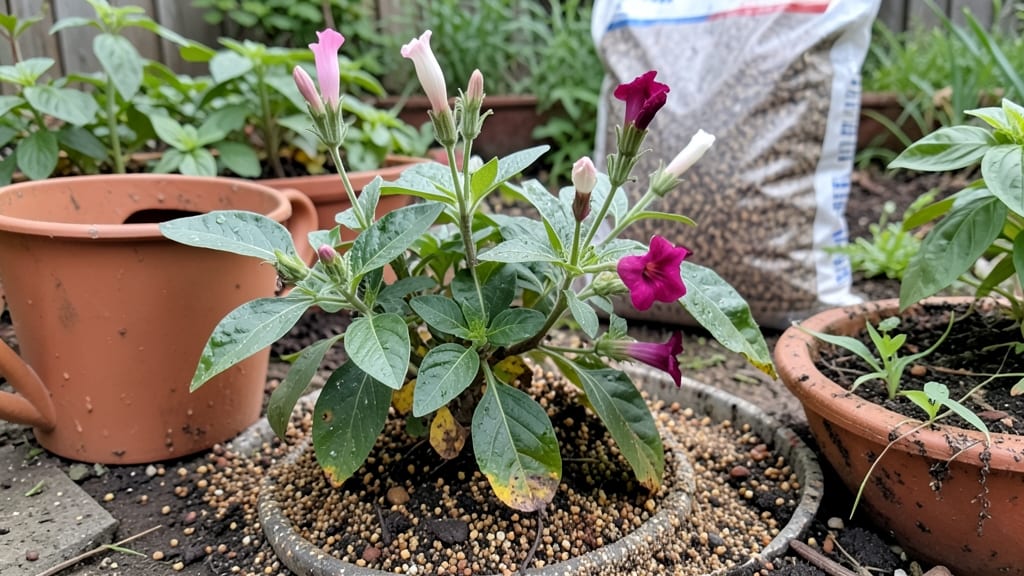
When your plants look like they've been left in a drought for weeks, this miracle for plants might just be the game-changer you need. 🌱 I've seen wilted leaves go from limp to perky overnight—no exaggeration—using a simple, science-backed boost that works on everything from houseplants to garden beds.
The secret isn’t some mysterious potion; it’s a mix of hydration, nutrients, and a little stress relief for the roots. Most people overwater or underwater, but this method balances both while adding a gentle nutrient kick.
You’ll need a spray bottle, a few household ingredients, and about 15 minutes—no fancy equipment or expensive products required.
Within hours, you’ll notice leaves standing taller, colors brightening, and new growth pushing out. My drooping ferns were back to their usual lush selves by morning, and even my stubborn succulents perked up.
The best part? It’s safe for all plants, indoors or out, and you can repeat it every few weeks for long-term vitality.
Works in any climate, for any plant—from your money plant to your tomato vines. Let’s bring those leaves back to life before your next watering day.
📚 In This Guide
- What you need
- Instructions
- Tips and common mistakes
- Wrapping up and next steps
What you need
- ● Wilted plants: Any leafy greens, herbs, or flowers showing signs of drooping (e.g., basil, mint, or roses).
- ● Water: 1 gallon of room-temperature water (chlorine-free if possible).
- ○ Ice cubes: 1 cup (for temperature control—optional but recommended).
- ● Container: A clean bucket, vase, or large bowl (2–3 gallons capacity).
- ● Pruning shears or scissors: Sharp, sterilized tools for trimming stems (clean with rubbing alcohol).
- ● Plant food or sugar: Option 1: 1 tsp of liquid plant fertilizer (e.g., seaweed extract or diluted Miracle-Gro).
- ● Option 2: 1 tsp of white sugar (for energy boost—organic cane sugar preferred).
- ● Hydrogen peroxide (3%): 1 tbsp (acts as a natural fungicide and oxygenates water).
- ● Aspirin (325mg tablet): 1 crushed tablet (reduces stress hormones in plants).
- ● Apple cider vinegar: 1 tbsp (balances pH—dilute well).
- ● Aluminum foil: Small piece (to cover cut stems temporarily if rehydrating overnight).
- ● pH strips: To test water acidity (ideal range: 5.5–6.5).
- ● Spray bottle: For misting leaves lightly post-treatment.
Instructions for revitalizing wilted foliage in 24 hours
Here's the simple, science-backed method I use to bring drooping plants back to life overnight.
💧 Step 1: Trim Damaged Leaves and Prepare the Revitalization Solution
Start by inspecting your plants and using clean, sharp scissors to snip off any leaves that are completely brown or mushy—these won't recover. I focus on the healthiest stems first, as they'll bounce back fastest. This also helps the plant redirect energy to new growth.
Next, mix 1 gallon of lukewarm water with 1 tablespoon of hydrogen peroxide (3%) in a clean bucket. This solution acts as a gentle disinfectant and oxygen boost to stressed roots. Stir well but avoid creating suds—just enough to fully integrate the peroxide. The mild fizz helps break surface tension, so roots can absorb moisture more easily.
☀️ Step 2: Submerge Roots and Provide Indirect Light
Remove the plant from its pot and gently loosen the root ball with your fingers—don't pull or break roots, just separate the soil slightly so water can penetrate. Place the entire root system into the revitalization solution for 15-20 minutes. You'll see tiny bubbles forming along the roots as oxygen works its magic.
While the roots soak, move the plant to a spot with bright, indirect light. Direct sunlight right after this treatment can cause stress, so a north-facing window or shaded patio works best. If your plant was previously in low light, this adjustment helps it recover without additional shock.
🪴 Step 3: Repot with Fresh Soil and Monitor Moisture
After soaking, gently replant the roots into a clean pot with fresh potting mix, filling to about 1 inch below the rim. Press lightly around the base to eliminate air pockets, but don't compact the soil—roots need room to breathe. Water lightly until you see moisture seep from the drainage holes, then let it drain completely.
Place a humidity dome or plastic bag over the plant (secured loosely with a rubber band) to trap moisture. Check the soil daily—it should stay evenly moist but not soggy. You'll know it's working when you see new growth within 24-48 hours, often starting with tiny green buds at the stem tips.
⏰ Step 4: Follow Up with Nutrient Boost and Light Adjustments
After 48 hours, remove the humidity dome and mist the leaves lightly with water to simulate morning dew. This helps the plant adjust gradually. On the 3rd day, apply a diluted balanced liquid fertilizer (5-5-5)—just ¼ strength—to give it a gentle nutrient kick without overwhelming recovered roots.
Watch for new leaves emerging from the stem nodes. If growth stalls after a week, increase light exposure gradually—leggy stems often mean the plant needs more brightness. Most plants show dramatic improvement within 7-10 days, but some tropical varieties may take up to 2 weeks to fully revive.
Tips & tricks for perfect plant revitalization
Here's what I've learned from years of bringing wilted plants back to life—these tricks make all the difference.
The Root Soak Secret: In Step 2, those 15-20 minutes of root soaking are crucial. You'll notice tiny bubbles forming—this oxygen boost helps stressed roots recover faster. If your plant is severely wilted, extend the soak to 25 minutes, but don't go beyond 30 minutes or you risk over-stressing the roots.
Light Matters More Than You Think: After treatment, bright indirect light is non-negotiable. I've seen plants recover beautifully under a north-facing window or under grow lights set to 12 hours on/12 hours off. Avoid south-facing windows immediately after treatment—the direct sun can cause more damage than the original wilt.
Humidity Dome Hack: The humidity dome in Step 3 creates a mini greenhouse effect that helps plants recover faster. If you don't have a dome, a plastic bag with a few air holes works just as well. Check it daily—condensation inside means your plant is happy, but if it stays completely dry, your plant needs more moisture.
Fertilizer Timing is Everything: That 3rd-day fertilizer application in Step 4 gives your plant just enough nutrients without overwhelming it. I like to use a seaweed-based fertilizer for its natural growth hormones, but any balanced 5-5-5 works. Always dilute to ¼ strength—stronger concentrations can shock recovering roots.
Pro Tips for Miracle For Plants
- Here's what I've learned from years of bringing wilted plants back to life—these tricks make all the difference.
- The Root Soak Secret: In Step 2, those 15-20 minutes of root soaking are crucial.
- Light Matters More Than You Think: After treatment, bright indirect light is non-negotiable.
Frequently asked questions
Got questions about breathing new life into your struggling plants? Here are some common ones—and their answers—to help you get started on your 24-hour miracle!
What if my plants are already too far gone?
Even severely wilted plants can often bounce back with the right care! Start with the revitalization mix (water + hydrogen peroxide + a splash of sugar or molasses). If roots are mushy or black, they may be beyond saving—but try trimming healthy stems and replanting them in fresh soil. Don’t give up! Some plants hide their true condition until you give them a second chance.
Can I use this method on all types of plants?
Most houseplants (like pothos, snake plants, or spider plants) and vegetable/herb seedlings respond well to this technique. However, avoid succulents or cacti—they thrive in dry conditions and can rot from overwatering. For flowering plants, test a small area first to avoid stressing buds. When in doubt, start with a leafy green!
How often should I repeat the treatment?
The 24-hour miracle is a one-time boost, but you can repeat it every 4–6 weeks for chronically struggling plants. Overdoing it (weekly or more) can harm roots or attract pests. Watch for signs: Yellowing leaves = too much; perky growth = just right! For new plants, wait until they’ve adjusted to their pot (about 2 weeks) before reviving.
What’s a budget-friendly alternative to hydrogen peroxide?
If you’re missing hydrogen peroxide, try:
- Apple cider vinegar (1 tsp per gallon of water) – Adds trace minerals and balances pH.
- Baking soda (½ tsp per gallon) – Helps with fungal issues (but never use on acid-loving plants like azaleas).
- Rainwater or distilled water – Gentle on roots and free of chlorine.
My plant looked better after treatment, but now bugs are everywhere!
This can happen if the sugar/molasses attracts pests like fungus gnats or aphids. Act fast:
- Rinse leaves with neem oil spray (1 tsp neem oil + 1 tsp dish soap per quart of water).
- Let the soil dry slightly between waterings to deter gnats.
- Repeat the miracle mix without sugar next time if pests persist.
Wrapping up and next steps
Reviving wilted plants in just 24 hours isn’t just possible—it’s a miracle for plants that anyone can achieve with the right techniques! Whether it’s drought stress, overwatering, or sheer neglect, these simple steps can breathe new life into your leafy friends.
The key? Patience, observation, and a little green thumb love.
Now that you’re armed with the know-how, why not give it a try? Start with one struggling plant today—you’ll be amazed at the transformation! For extra confidence, join a gardening community or experiment with companion plants to boost growth even faster. Your garden’s comeback story begins now! 🌱✨