
Diseases
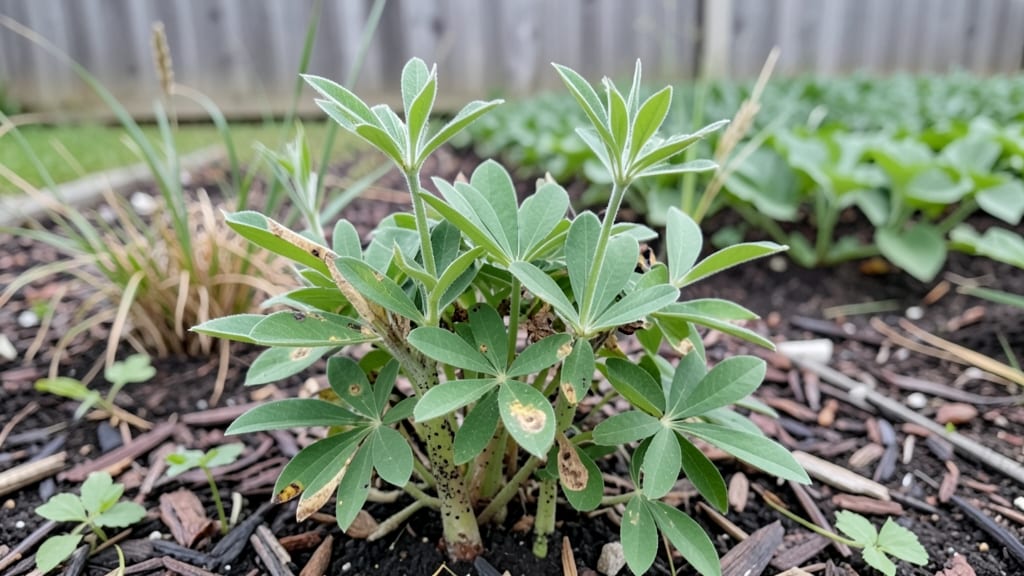
Lupine plant diseases can turn your vibrant blue spires into sad, brown skeletons if you don't catch them early. I've lost entire patches of lupines to fungal infections that started as tiny specks on the leaves—until I learned to spot the warning signs and act fast.
The key is knowing what to look for before the damage spreads beyond saving.
Most lupine diseases—like powdery mildew, rust, and bacterial blight—love warm, humid conditions, which is why late summer often brings the worst outbreaks. My lupines thrive in full sun, but too much shade or crowded plants create the perfect breeding ground for these pests.
The good news? Once you recognize the patterns, prevention becomes second nature.
You'll learn to identify the telltale signs—yellowing leaves, black spots, or white powdery coatings—and how to treat them with organic sprays or fungicides before they take hold. A simple copper spray can stop bacterial blight in its tracks, while neem oil tackles fungal spores before they spread.
The goal isn't just to save your plants; it's to keep them lush and blooming for years.
Even with the best care, some cases require professional help. If your lupines show severe wilting, blackened stems, or resistance to home treatments, don't hesitate to call a local extension office.
They'll help you diagnose the problem and choose the right path forward—whether that's replacing the plants or adjusting your garden setup for next season.
Root Causes Of Lupine Illnesses
Lupine plants, with their striking blue-purple blooms and nitrogen-fixing superpowers, aren’t immune to trouble. When diseases strike, they often do so because of a mix of environmental stress, microbial invaders, and poor growing conditions.
Understanding why these problems arise is the first step to prevention and treatment. Let’s break down the key culprits behind lupine plant diseases.
Fungi thrive in moist, stagnant environments, and lupines—especially those grown in cool, humid climates—are prime targets. Common fungal diseases like Phytophthora root rot and powdery mildew (caused by Erysiphe alphitoides) exploit weak spots in the plant’s defenses.
Why it happens:
- ✅ Poor drainage: Waterlogged soil suffocates roots, creating the perfect breeding ground for fungal spores. Phytophthora, in particular, spreads rapidly in soggy conditions, rotting roots and stems.
- ✅ High humidity: Fungal spores float in damp air, landing on leaves and stems. Powdery mildew thrives when nights are cool and days are muggy, forming a white, powdery film that blocks sunlight.
- ✅ Overcrowded plants: Lack of airflow traps moisture, giving fungi a foothold. Dense lupine patches with poor spacing create microclimates where spores multiply unchecked.
💡 Pro Tip: Space lupines at least 12–18 inches apart and avoid overhead watering to keep foliage dry. Raised beds or containers with drainage holes can also reduce fungal risks.
Bacterial diseases, like Xanthomonas wilt or Pseudomonas leaf spot, often sneak in through wounds or weak points in the plant. These pathogens don’t just appear—they exploit lupines already struggling from other stressors.
Why it happens:
- ✅ Physical damage: Pruning cuts, insect bites, or hail can create entry points for bacteria. Xanthomonas, for example, invades through stem wounds, clogging vascular tissues and causing wilting.
- ✅ Nutrient deficiencies: Lupines deficient in phosphorus or potassium have thinner cell walls, making them easier targets. Pseudomonas exploits these weaknesses, leading to dark, water-soaked lesions.
- ✅ Contaminated tools or soil: Reusing pruners or planting in soil with old infected debris spreads bacteria. Even rain splashing from infected plants can carry pathogens to healthy ones.
🔥 Action Step: Sterilize pruning tools with rubbing alcohol between cuts, and rotate planting locations every few years to avoid soil-borne bacteria buildup.
Lupines are hardy, but sudden temperature swings or prolonged stress push them past their limits. Diseases like Verticillium wilt (a fungal-bacterial hybrid) flourish when plants are already weakened.
Why it happens:
- ✅ Temperature shocks: Freeze-thaw cycles or late spring frosts damage cell membranes, leaving plants vulnerable. Verticillium takes advantage, blocking water transport and causing leaf yellowing.
- ✅ Drought stress: While lupines are drought-tolerant, severe dry spells weaken roots, making them susceptible to root-knot nematodes (which worsen fungal infections).
- ✅ Poor air circulation: Heatwaves without airflow create a sauna effect, promoting fungal growth. Alternaria leaf spot thrives in these conditions, causing brown, concentric rings on leaves.
✨ Smart Fix: Mulch with straw or wood chips to moderate soil temps, and avoid planting lupines in low-lying areas where cold air pools. Drip irrigation (instead of sprinklers) keeps foliage dry during heatwaves.
Insects and mites don’t just eat lupines—they damage them, creating perfect conditions for secondary infections. Aphids, spider mites, and beetles leave behind sticky residue (honeydew) that fosters sooty mold, while their feeding wounds invite bacteria and fungi.
Why it happens:
- ✅ Honeydew buildup: Aphids excrete sugary honeydew, which attracts sooty mold fungi (e.g., Capnodium). This black, velvety growth smothers leaves, reducing photosynthesis.
- ✅ Physical trauma: Japanese beetles chew leaves, creating entry points for Erwinia bacteria, which causes soft rot. Spider mites puncture cells, stressing plants and opening doors for powdery mildew.
- ✅ Weakened defenses: Constant pest pressure drains a lupine’s energy, leaving it unable to fight off opportunistic pathogens. A single infestation can trigger a cascade of diseases.
🎯 Prevention Tip: Introduce beneficial insects like ladybugs or lacewings to control pests naturally. Neem oil sprays can disrupt insect life cycles without harming lupines.
By addressing these root causes—fungal love for moisture, bacterial exploitation of stress, weather-induced weakness, and pest damage—you can fortify your lupines against disease. The key is proactive care: healthy soil, proper spacing, and vigilant monitoring.
When lupines thrive, their natural defenses stand strong against even the most persistent pathogens.
Fixing Lupine Plant Problems
Once you’ve identified the culprit behind your lupine’s distress, it’s time to take action! Below are practical, step-by-step solutions tailored to the most common fungal and bacterial diseases affecting lupines.
Prevention is key, but when trouble strikes, these fixes will help your plants bounce back—without breaking the bank or your back.
1.
Powdery Mildew: Scrub and Shield Cause: Erysiphe alphitoides thrives in humid, shaded conditions, coating leaves in a white, powdery film. Fix It: - 🧼 Remove Infected Foliage: Snip off heavily mildewed leaves (don’t compost them—dispose in the trash). - 💦 Spray with Baking Soda Mix: Combine 1 tsp baking soda + 1 tbsp vegetable oil + 1 gallon water.
Spray early in the morning (oil helps it stick). Repeat every 7–10 days until mildew disappears. - 🌬️ Improve Airflow: Prune nearby plants to reduce humidity around lupines.
Space them 12–18 inches apart for better ventilation. - 🌞 Boost Sunlight: Move pots or thin shade plants to ensure at least 6 hours of direct sun daily.
💡 Pro Tip: Resistant varieties like Lupinus polyphyllus ‘Russell Hybrid’ tolerate mildew better. For severe cases, use neem oil spray (1% solution) as a fungicide.
2.
Root Rot: Rescue Waterlogged Roots Cause: Phytophthora or Pythium fungi attack when soil stays soggy, turning roots black and mushy. Fix It: - ⏰ Stop Watering Immediately: Let the soil dry out completely before watering again. - 🪴 Repot if Necessary: Gently remove the plant, trim rotted roots with sterilized scissors, and repot in fresh, well-draining soil (mix in perlite or sand). - 🌧️ Fix Drainage: Ensure pots have drainage holes and saucers are emptied after watering.
For in-ground plants, amend soil with compost + coarse sand. - 🌿 Fungicide Treatment: Drench roots with hydrogen peroxide (3%) or copper fungicide (follow label rates) to kill lingering spores.
💡 Pro Tip: Lupines hate wet feet—never let them sit in saucers of water. Water at the base only, avoiding leaves.
3.
Rust Fungus: Strip the Orange Spots Cause: Uromyces lupin creates rust-colored pustules on leaves, weakening the plant. Fix It: - 🗑️ Remove All Infected Leaves: Burn or trash them to prevent spore spread. - 🍃 Apply Copper Fungicide: Spray with copper-based fungicide (e.g., Bordeaux mixture) every 10–14 days until new growth appears. - 🌿 Prune for Light: Thin out dense foliage to reduce humidity and improve airflow. - 🌱 Rotate Plantings: Avoid growing lupines in the same spot next season—rust spores linger in soil.
💡 Pro Tip: Prevent rust by watering only in the morning so leaves dry quickly.
4.
Bacterial Blight: Sterilize and Isolate Cause: Xanthomonas campestris causes dark, water-soaked spots that ooze bacteria. Fix It: - 🔥 Destroy Infected Plants: There’s no cure—remove and burn (don’t compost) the entire plant to stop spread. - 🧴 Sterilize Tools: Clean pruners with 70% rubbing alcohol or a 10% bleach solution between cuts. - 🚫 Avoid Overhead Watering: Water at the soil level to keep leaves dry. - 🌱 Choose Resistant Varieties: Lupinus arboreus is less susceptible than some other species.
💡 Pro Tip: Rotate crops—don’t plant lupines in the same area for at least 3 years after an outbreak.
5.
Crown Gall: Cut Out the Tumors Cause: Agrobacterium tumefaciens creates gall-like lumps at the stem base, stunting growth. Fix It: - ✂️ Prune Galls Completely: Use sterilized pruners to cut out infected tissue below the gall (healthy tissue should be smooth). - 🔥 Solarize Soil (Optional): For severe cases, cover the area with clear plastic for 4–6 weeks in hot sun to kill bacteria. - 🌱 Use Beneficial Bacteria: Apply soil drenches with Bacillus subtilis (a non-pathogenic bacteria that outcompetes Agrobacterium). - 🚫 Avoid Wounding Plants: Handle lupines gently during transplanting to prevent new infection sites.
💡 Pro Tip: Healthy soil = fewer galls. Amend with compost and mycorrhizal fungi to boost plant immunity.
- 🌱 Start with Disease-Free Plants: Buy from reputable nurseries and inspect roots/stems before purchasing.
- 🌿 Crop Rotation: Avoid planting lupines (or other legumes) in the same spot year after year.
- 💦 Water Wisely: Deep watering 2–3x/week (early morning) > daily light sprinkles.
- 🧹 Clean Up Debris: Remove fallen leaves and spent flowers to reduce fungal/bacterial hiding spots.
- 🌿 Monitor Regularly: Check undersides of leaves and stem bases weekly for early signs of trouble.
Final Thought: Most lupine diseases are preventable with good hygiene and smart gardening. Act fast when you spot symptoms—a little effort now saves a lot of heartache later! 🌿✨
Frequently asked questions about lupine plant diseases
What are the first signs my lupines might have a fungal infection?
Watch for white powdery coatings (powdery mildew), orange rust spots (rust fungus), or yellowing leaves with black speckles (leaf spot). These usually appear on older leaves first and spread quickly in humid conditions. Check the undersides of leaves where spores often hide first.
Can I still save my lupines if they have bacterial blight?
Unfortunately, bacterial blight has no cure—infected plants must be removed immediately to prevent spread. Look for dark, water-soaked spots that ooze when touched. Sterilize your tools thoroughly and avoid planting lupines in that spot for at least 3 years to break the bacterial cycle.
How often should I spray my lupines to prevent diseases?
Apply preventive sprays like neem oil or copper fungicide every 2-3 weeks during peak growing season (spring to early summer). For powdery mildew-prone varieties, a baking soda spray (1 tsp baking soda + 1 tbsp oil per gallon of water) every 7-10 days works well when conditions are humid.
Will my lupines recover if I improve drainage for root rot?
Early-stage root rot can recover if you act fast—stop watering immediately, repot in fresh, well-draining soil, and apply hydrogen peroxide (3%) to sterilize roots. However, severely rotted plants with black, mushy stems may not survive. Always use containers with drainage holes and avoid waterlogging.
Are there lupine varieties that naturally resist diseases?
Yes! Lupinus arboreus (tree lupine) is more resistant to bacterial blight, while Lupinus polyphyllus 'Russell Hybrid' shows better tolerance to powdery mildew. When selecting seeds, look for disease-resistant labels or ask your local nursery about regional recommendations.