
Companion Plants
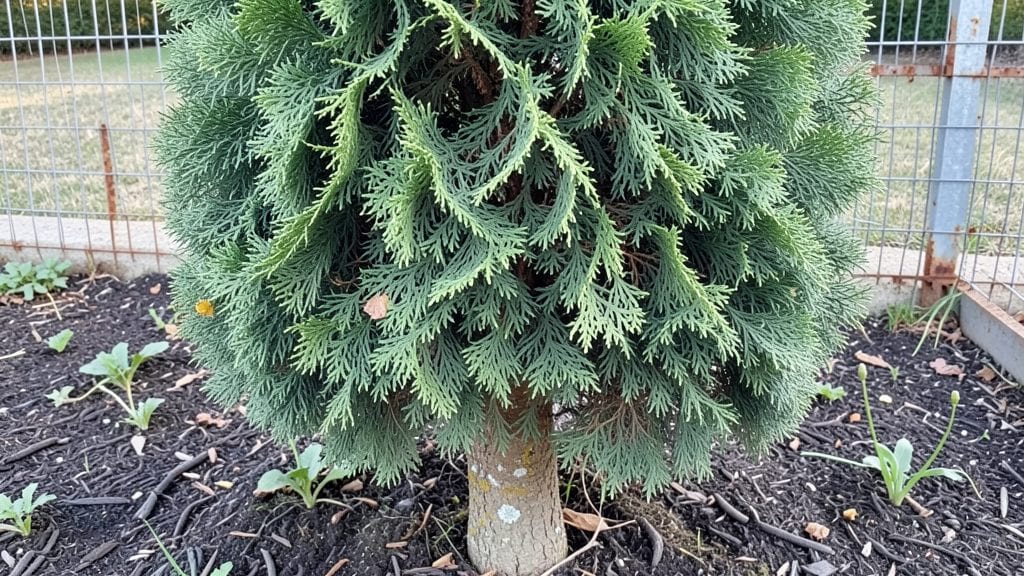
Leyland cypress plants grow faster than most evergreens—12 to 36 inches per year—and that’s why they’re the go-to for instant privacy. 🌿 I planted mine as 10-foot whips, and within two years, they formed an unbroken wall that blocked nosy neighbors and winter winds.
The dark green foliage stays lush year-round, and the dense branches create that perfect "I paid for a view" vibe without the high maintenance.
The secret to their speed isn’t just genetics—it’s the right soil and sunlight. They thrive in well-draining, slightly acidic soil (think pine forest duff mixed with compost) and full sun for at least 6 hours daily. Too much shade slows growth, and soggy roots invite root rot.
My first mistake? Planting them in heavy clay. Now I amend the soil with sand and peat moss to keep roots happy. Watering’s simple too: deep soaks once a week in dry spells, less in winter when they’re dormant.
By year three, you’ll have a 20-foot screen that needs minimal pruning—just shape the top to control height and open the lower branches for airflow. The real payoff? Year-round privacy, bird habitat, and a landscape that looks like it belongs in a high-end neighborhood.
The trade-off? They grow fast—so plan where you’ll put them before they outgrow their welcome.
Works in zones 6-10, but watch for bagworms in summer—they love these trees. A quick spray of horticultural oil keeps them in check. For urban gardens, they’re a game-changer, but rural growers should check local regulations—some states consider them invasive.
Still, for me, the benefits far outweigh the risks. Ready to plant your own privacy wall?
📚 In This Guide
- What you need
- Instructions
- Tips and common mistakes
- Wrapping up and next steps
What you need
- ● Leyland cypress plants: 3–5 balled-and-burlapped (B&B) or container-grown saplings (5–10 ft tall, depending on desired height).
- ● Shovel or spade: Heavy-duty, 12–18" wide for digging holes.
- ● Pruning shears or loppers: Sharp, bypass-style for trimming (10–12" blade length).
- ● Mulch: 2–3 yards of wood chips or pine straw (avoid fresh mulch near the trunk).
- ○ Garden hose or sprinkler: For watering (drip irrigation system is optional but helpful).
- ● Soil test kit: To check pH and nutrient levels (ideal pH: 5.5–7.0).
- ● Stakes & twine: For young plants in windy areas (3–4 ft stakes).
- ● Fertilizer: Slow-release, balanced (10-10-10 or 12-12-12) or organic options like compost.
- ● Garden gloves: Heavy-duty for protection.
- ● Wheelbarrow: For moving soil, mulch, or plants.
- ● Sunlight: Full sun (6+ hours daily).
- ● Soil: Well-draining, slightly acidic to neutral (amend clay soil with compost or sand).
- ● Spacing: 6–10 ft apart for mature height (check plant tags for specifics).
- ● Weather: Plant in early spring or fall (avoid extreme heat or frost).
Step-by-Step guide to planting Leyland cypress for a year-round privacy screen
Here's how to plant these fast-growing evergreens for a lush, wind-blocking hedge that thrives in any season.
🌱 Step 1: Choose the Perfect Planting Location
Leyland cypresses need full sun (6+ hours daily) and well-draining soil. I always check the site first—these trees hate soggy roots. If your soil feels heavy or clay-like, mix in 2 inches of compost to improve drainage before planting.
Space plants 6-8 feet apart for a dense screen. Too close and they’ll compete for nutrients, leaving gaps. Mark planting spots with stakes so you don’t dig in the wrong place—trust me, it’s easy to lose track when digging multiple holes.
🪴 Step 2: Dig Holes and Prepare the Roots
Dig holes twice as wide and just as deep as the root ball. The extra width lets roots spread without circling the hole. Gently loosen the root ball’s edges with your fingers—this encourages roots to grow outward instead of staying tight.
Place the tree in the hole so the top of the root ball sits 1-2 inches above ground level. Leyland cypresses hate wet roots at their base, so never bury the trunk too deep. Fill the hole halfway with soil, then water deeply to settle everything—this prevents air pockets that could suffocate roots.
💧 Step 3: Backfill, Water, and Mulch
Finish filling the hole with soil, tamping lightly as you go. Water again until moisture reaches 6 inches deep. You’ll know it’s enough when water pools slightly at the surface but drains within an hour.
Spread 2-3 inches of mulch in a ring around the base, keeping it 6 inches away from the trunk. Mulch locks in moisture and keeps roots cool. I use shredded bark because it breaks down slowly, feeding the soil over time. Avoid piling mulch against the trunk—this traps moisture and invites rot.
☀️ Step 4: Prune for Shape and Support
Leyland cypresses grow fast—up to 3 feet per year—so prune lightly right after planting to encourage bushiness. Trim the top 1/3 of the leader (main stem) to force side branches to fill out. Use clean, sharp shears to make cuts just above a leaf node.
Stake young trees if your area gets strong winds. Drive stakes 6 inches into the ground on opposite sides of the tree, then tie the trunk loosely with flexible straps. Check ties monthly—they tighten as the tree grows and can girdle the trunk if left too snug.
⏰ Step 5: Monitor and Maintain Through the First Year
Water deeply once a week during the first growing season, more often in extreme heat. Leyland cypresses are drought-tolerant once established, but young roots need consistent moisture. You’ll know they’re thirsty when the soil feels dry 2 inches below the surface.
Fertilize lightly in early spring with a balanced, slow-release formula. Too much nitrogen makes them grow too fast, leading to weak wood. Prune again in late winter to remove dead branches and shape the hedge. With proper care, your Leyland cypress will grow into a dense, evergreen privacy screen in just a few years.
Tips & tricks for perfect Leyland cypress planting
These simple strategies will help your Leyland cypresses grow into a lush, wind-blocking hedge that thrives year-round.
Soil Preparation Matters: Before planting, test your soil's drainage by digging a hole and filling it with water. If it doesn't drain within an hour, you'll need to amend the soil with 2-3 inches of sand mixed into the bottom of each planting hole. Leyland cypresses are sensitive to soggy roots, so proper drainage is absolutely critical. I've seen trees fail within months because of poor drainage—don't make that mistake!
Root Ball Technique: When removing your Leyland cypress from the container, gently squeeze the sides to loosen the root ball before placing it in the hole. This encourages roots to spread outward rather than staying tightly bound. In Step 2, when you're loosening the root ball edges, be careful not to break the roots—just gently separate them with your fingers. This helps establish a stronger root system right from the start.
Mulching Wisdom: The 2-3 inches of mulch we apply in Step 3 serves multiple purposes beyond just moisture retention. It also helps regulate soil temperature and suppresses weeds. I recommend using shredded hardwood mulch because it breaks down slowly, providing long-term benefits. Just remember to keep it 6 inches away from the trunk—this prevents rot by allowing air to circulate around the base.
Pruning Strategy: When you prune the top 1/3 of the leader in Step 4, make your cuts just above a leaf node where new growth will emerge. This encourages bushier growth rather than just taller trees. I like to prune in late winter because it's easier to see the structure of the tree without leaves in the way. Use clean, sharp shears to make precise cuts—dull tools can damage the tree.
Pro Tips for Leyland Cypress Plants
- These simple strategies will help your Leyland cypresses grow into a lush, wind-blocking hedge that thrives year-round.
- Soil Preparation Matters: Before planting, test your soil's drainage by digging a hole and filling it with water.
- Root Ball Technique: When removing your Leyland cypress from the container, gently squeeze the sides to loosen the root ball before placing it in the hole.
Frequently asked questions
Got questions about growing Leyland cypress plants? You’re not alone! Here are answers to the most common queries to help you create the perfect evergreen privacy screen.
How fast do Leyland cypress trees grow?
Leyland cypress are fast growers—expect 3 to 4 feet per year under ideal conditions (full sun, well-drained soil, and regular watering). With proper care, they can reach 60 feet tall in just 10–15 years, making them perfect for quick privacy solutions!
Do Leyland cypress need a lot of water?
Young trees need consistent moisture (water 2–3 times per week in dry spells), but mature Leyland cypress are drought-tolerant once established. Mulch around the base to retain soil moisture and reduce weeds. Overwatering can lead to root rot, so ensure soil drains well.
Are Leyland cypress cold-hardy?
Yes! These trees thrive in USDA Zones 6–10 and handle winter temps down to -15°F. However, young saplings may need winter protection (like burlap wraps) in colder zones. Avoid planting in windy areas, as cold winds can stress tender new growth.
What are good alternatives if Leyland cypress don’t suit my climate?
If your area has humid heat, pests, or poor drainage, consider these fast-growing alternatives:
- Emerald Green Arborvitae – Disease-resistant, compact, and cold-hardy.
- Italian Cypress – Slender, drought-tolerant, and great for Mediterranean climates.
- Thuja Green Giant – Faster than Leyland cypress in some regions, with fewer pests.
Why are my Leyland cypress needles turning brown?
Brown needles often signal drought stress, pests (like bagworms or spider mites), or fungal diseases (e.g., Seiridium canker). Prune affected branches, water deeply, and apply neem oil for pests. If the issue persists, consult a local arborist for targeted treatment.
Still stumped? Drop your question in the comments—we’re happy to help your Leyland cypress thrive!
Wrapping up and next steps
Leyland cypress plants are a fantastic choice for creating a lush, year-round privacy screen that thrives in three seasons—spring, summer, and fall—while requiring minimal upkeep once established. Their fast growth, striking evergreen foliage, and adaptability make them a low-maintenance yet high-impact solution for any landscape.
Whether you're a beginner or a seasoned gardener, adding these trees to your yard is a rewarding project that pays off in beauty and functionality.
Ready to get started? Take the next step! Research local nurseries for healthy Leyland cypress saplings, mark your planting spots, and gather your tools. Your future privacy haven is just a few shovels away—happy planting! 🌿✨