
Container Gardens
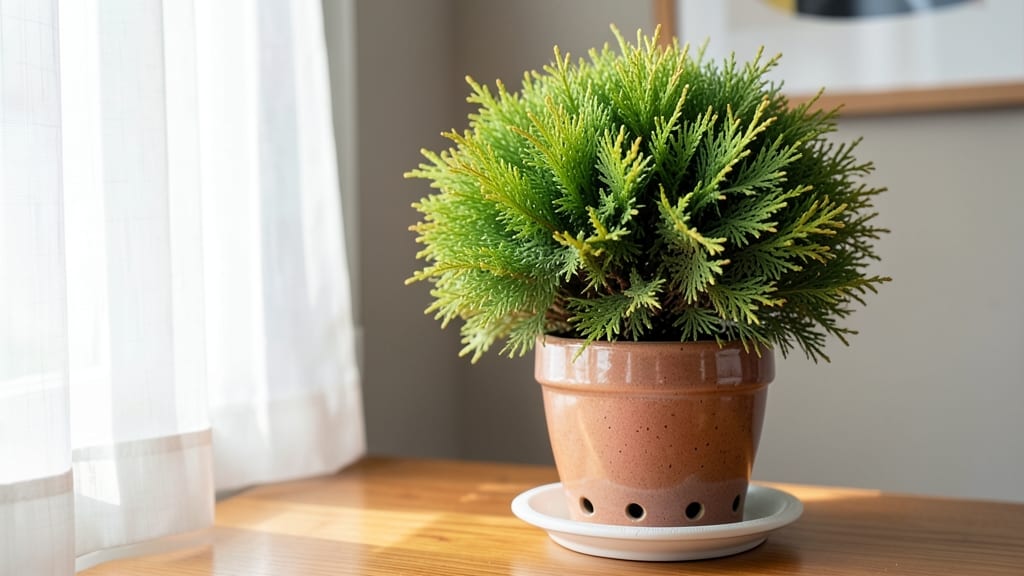
Growing an indoor cypress plant transforms any room into a serene green sanctuary without needing sunlight or outdoor space. 🌿 I’ve nurtured these feathery evergreens for years, and they thrive indoors with just a few key adjustments—light, water, and a little humidity attention.
The secret lies in mimicking their natural habitat, which isn’t as tricky as it sounds once you know the basics.
You’ll need a well-draining potting mix, a container with drainage holes, and a spot near an east or west window for gentle light. Water when the top inch of soil feels dry, and mist the foliage weekly to prevent those dreaded brown tips.
Pruning leggy growth keeps the plant bushy and encourages fuller regrowth—just snip above a leaf node with clean scissors.
Within months, your cypress will reward you with vibrant, arching branches that stay lush year-round. The air feels fresher, and the texture of those fine needles is surprisingly soft to touch. Even beginners can master this plant, as long as you avoid overwatering and keep it away from drafts.
Perfect for apartments, offices, or sun-starved homes, this cypress care guide covers everything from soil to troubleshooting. Let’s get your indoor jungle growing strong and healthy!
📚 In This Guide
- What you need
- Instructions
- Tips and common mistakes
- Wrapping up and next steps
What you need
- ● Indoor Cypress Plant (Chamaecyparis lawsoniana) – Choose a healthy, compact variety (e.g., 'Ellwoodii' or 'Squarrosa') from a nursery or online retailer. Tip: Look for plants with vibrant green foliage and no brown or yellowing tips!
- ● Container – A well-draining pot (12–18 inches in diameter) with drainage holes. Pro Tip: Terracotta or ceramic pots work best for airflow!
- ● Well-Draining Potting Mix – A blend of 50% peat moss or coco coir, 30% perlite or pumice, and 20% sand or orchid bark for aeration.
- ● Gravel or Pebbles – A 1–2 inch layer for the pot’s drainage layer.
- ● Watering Can – With a narrow spout for gentle watering.
- ● Pruning Shears – Sharp, clean shears for shaping and trimming.
- ● Slow-Release Fertilizer – A balanced, organic fertilizer (e.g., 10-10-10) for a nutrient boost.
- ● Humidity Tray – To mimic the cypress’s natural moisture-loving habitat.
- ● Mulch (e.g., Pine Bark) – To retain moisture and suppress weeds.
- ● Plant Support (e.g., Stakes or Rings) – If your cypress grows tall and needs structure.
- ● Decorative Stones or Moss – For a polished, natural look in your container setup.
Step-by-step instructions for growing an indoor cypress plant
Here’s how to nurture a thriving cypress plant indoors—no green thumb required.
🪴 Step 1: Choose the Right Pot and Soil Mix
Start with a 6-8 inch pot that has drainage holes—cypress plants despise soggy roots. I like terracotta because it breathes and helps prevent overwatering. Use the 3 gallons of well-draining potting mix you’ve prepared, blending it with 1 cup of perlite for extra aeration. Fill the pot halfway, then tap it gently on the table to settle the soil without compacting it too much.
Cypress plants prefer soil that drains fast but holds just enough moisture. If you’re repotting an existing plant, choose a container only 2 inches wider than its current home—too much space leads to overwatering and root rot. Press the soil down lightly with your fingers until it’s firm but still loose enough for roots to grow.
💧 Step 2: Plant and Water for the First Time
Remove the cypress plant from its nursery pot and gently loosen the roots if they’re circling. Place it in the center of your prepared pot and fill the remaining space with more of the potting mix, pressing lightly around the base to secure it. Water immediately after planting—use 1 cup of room-temperature water—until it drains freely from the bottom holes. Discard any excess water in the saucer.
Cypress plants are drought-tolerant once established, but they need consistent moisture when young. Wait until the top inch of soil feels dry before watering again. Overwatering is the fastest way to kill these plants, so always check the soil before adding more water. If the soil feels damp, wait another day.
☀️ Step 3: Position for Bright, Indirect Light
Place your cypress plant near a bright, indirect light source—think east or north-facing windows. These plants can handle some direct morning sun, but harsh afternoon rays will scorch the delicate foliage. If your home has low light, supplement with a grow light kept 12-18 inches away for 6-8 hours daily. You’ll notice the leaves brighten and grow more upright within a few weeks.
Rotate the pot a quarter turn weekly so the plant grows evenly. If you see leggy growth or sparse leaves, it’s a sign the light isn’t strong enough. Move it closer to the window or increase grow light exposure gradually. Avoid drafts—cypress plants hate sudden temperature changes, so keep them away from AC vents or heaters.
🌿 Step 4: Maintain Humidity and Prune Regularly
Cypress plants thrive in 50-60% humidity, which is tricky indoors during winter. Mist the leaves 2-3 times weekly or place the pot on a pebble tray filled with water and gravel. You’ll know the humidity is right when the leaves stay vibrant and don’t develop brown tips. Wipe the foliage monthly with a damp cloth to remove dust—this helps them absorb light better.
Prune leggy or yellowing stems with clean, sharp scissors to encourage bushier growth. Cut just above a leaf node, and avoid trimming more than one-third of the plant at once. This keeps it healthy and prevents shock. Fertilize lightly every 4-6 weeks during spring and summer with a balanced liquid fertilizer diluted to half strength—cypress plants don’t need heavy feeding.
⏰ Step 5: Monitor and Adjust Seasonally
In winter, reduce watering to every 10-14 days—the plant’s growth slows, and overwatering becomes riskier. Watch for yellowing leaves or drooping branches, which usually mean the soil is too wet. If you notice pests like spider mites, treat with neem oil (mix 1 teaspoon per quart of water) and spray both sides of the leaves. Repeat every 3-5 days until the infestation clears.
Every 2-3 years, repot your cypress plant into a container 2-3 inches larger to refresh the soil and give roots room to grow. Spring is the best time—it’s when the plant naturally enters a growth phase. With the right care, your cypress will stay lush and full for years, adding that tropical touch to any room.
Tips & tricks for perfect indoor cypress plant care
Here's what nobody tells you about keeping your cypress plant thriving indoors—these are the details that make all the difference.
The Pot Size Matters: When you're choosing that 6-8 inch pot, remember terracotta is your best friend. It breathes better than plastic and helps prevent root rot by wicking away moisture. If you're repotting an existing plant, never go more than 2 inches wider than its current home—cypress plants hate having too much empty space around their roots, which leads to overwatering. I've learned this the hard way after watching roots circle and suffocate in too-large pots.
Watering Wisdom: That first watering after planting is crucial—use exactly 1 cup of room-temperature water and let it drain completely. The top inch of soil test is your best friend: stick your finger in to check moisture before watering again. I've seen too many cypress plants drown because people assume "more water is better." Remember, these plants are drought-tolerant once established, so it's always better to underwater slightly than to overdo it.
Light Positioning: For that perfect bright indirect light, east-facing windows are ideal. If you notice leggy growth after a few weeks, your plant needs more light—move it closer to the window or increase grow light exposure gradually. I rotate my plant a quarter turn weekly (as instructed) but also move it to different sides of the room seasonally to ensure even growth. The key is watching your plant's response—if leaves start stretching toward the light, it's time to adjust.
Pruning Secrets: When pruning those leggy stems, always cut just above a leaf node to encourage new growth from that point. I've made the mistake of cutting too close to the base, which can leave ugly scars. Also, never trim more than one-third of the plant at once—this prevents shock and gives your cypress time to recover. Think of it like giving your plant a haircut: you want to shape it, not stress it out.
Pro Tips for Indoor Cypress Plant
- Here's what nobody tells you about keeping your cypress plant thriving indoors—these are the details that make all the difference.
- The Pot Size Matters: When you're choosing that 6-8 inch pot, remember terracotta is your best friend.
- Watering Wisdom: That first watering after planting is crucial—use exactly 1 cup of room-temperature water and let it drain completely.
Frequently asked questions
Got questions about keeping your indoor cypress plant thriving? You’re not alone—this elegant evergreen has a few quirks! Here are answers to the most common queries to help you grow lush, year-round greenery with ease.
How often should I water my indoor cypress plant?
Water your cypress plant when the top 1–2 inches of soil feel dry to the touch. Overwatering is the #1 killer—stick to every 7–10 days (adjust for humidity/dry air). A well-draining pot with drainage holes is a must to prevent root rot. Pro tip: Use room-temperature water to avoid shocking the roots!
What’s the ideal temperature and humidity for an indoor cypress plant?
Cypress plants love moderate temps (65–75°F) and thrive in 40–60% humidity. If your home is dry (common in winter!), use a pebble tray or humidifier nearby. Avoid drafts or sudden temp swings—these tropical plants hate cold drafts from windows or AC vents.
Why are the tips of my cypress plant turning brown?
Brown tips usually mean low humidity or overwatering. Check the soil first—if it’s soggy, let it dry out. If the air is too dry, mist the leaves or move the plant to a more humid spot (like a bathroom or near a shower). Bonus fix: Trim the brown tips with clean scissors to encourage new growth!
Can I grow an indoor cypress plant from cuttings?
Take 4–6 inch cuttings in spring/summer, dip them in rooting hormone, and plant in moist perlite or sand. Keep them warm (70°F+) and humid (cover with a plastic bag if needed). Roots should form in 4–6 weeks. Pro tip: Avoid overwatering until new growth appears!
What’s a good alternative if I can’t keep my cypress plant alive?
If cypress plants seem too finicky, try these low-maintenance evergreens:
- Snake Plant (Sansevieria) – Thrives on neglect!
- ZZ Plant (Zamioculcas) – Nearly indestructible.
- Ponytail Palm (Beaucarnea) – Stores water like a pro.
Wrapping up and next steps
Bringing an indoor cypress plant into your home isn’t just about adding greenery—it’s about creating a thriving, low-maintenance oasis that purifies the air and elevates your space. 🌿 With the right soil, lighting, and care, you’ll enjoy lush, year-round foliage that feels as fresh as a forest retreat.
Ready to dive in? Start by gathering your supplies and follow the steps to nurture your new plant with confidence!
Your next step? Pick your favorite cypress variety—whether it’s the elegant Cupressus macrocarpa or the compact Chamaecyparis pisifera—and get planting! Soon, you’ll be the proud caretaker of a stunning indoor garden that’s as rewarding as it is beautiful.