
Planting
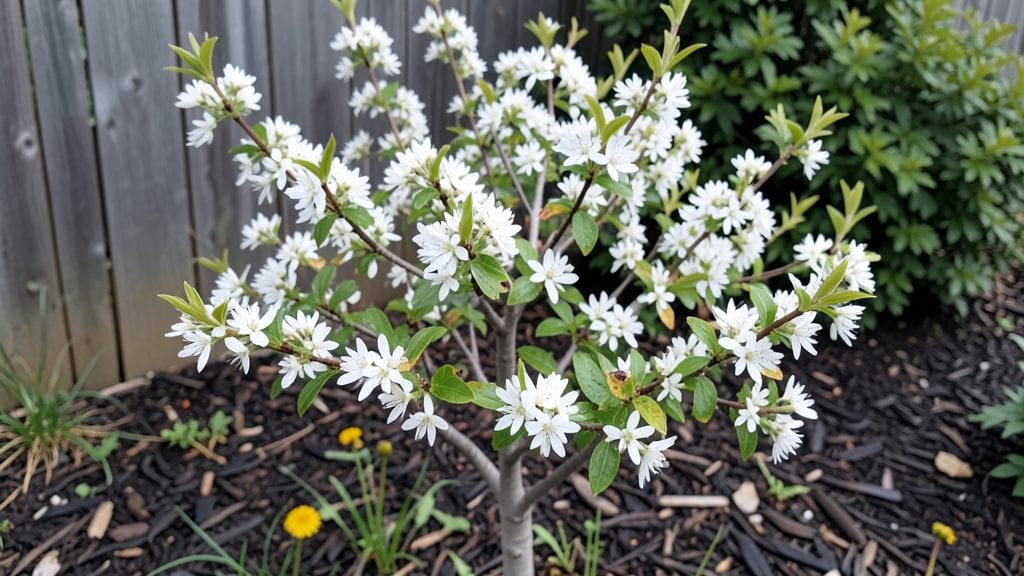
Growing an ice tree (Chionanthus virginicus) means four-season interest with almost no fuss. 🌿 I planted mine last spring, and now it’s the quiet star of my backyard—snowy white blooms in late spring, glossy foliage all summer, and striking red berries that last through winter.
The best part? It thrives on neglect, so even busy gardeners can enjoy its effortless beauty.
This tree loves well-drained soil and at least 6 hours of sunlight daily, but it handles partial shade too. Water deeply after planting, then let the soil dry slightly between waterings—overwatering is its only real enemy.
In my zone 7 garden, it’s survived droughts and heavy rains without complaint, making it one of the most foolproof choices for low-maintenance landscaping.
By late spring, you’ll see fragrant white flowers that attract pollinators, followed by clusters of bright red berries that birds adore. The foliage stays lush and green year-round, and in winter, the bare branches add striking structure to the garden.
It’s the kind of plant that makes you realize beauty doesn’t require constant upkeep—just the right spot and a little patience.
Pruning is minimal: just remove dead or crossing branches in late winter. No heavy shaping needed—this tree grows naturally into a graceful, multi-stemmed shrub or small tree. Perfect for borders, foundation plantings, or as a standalone specimen. Let’s get yours growing!
Understanding Frosted Foliage Causes
The striking ice tree plant (Ilex verticillata 'Winter Red' or similar cultivars) gets its name from its unique winter appearance—foliage that stays vibrant and sometimes even frosted with ice. But why does this happen?
The phenomenon isn’t just about cold weather; it’s a mix of botanical adaptations, environmental triggers, and seasonal shifts. Let’s break down the science behind the magic.
When temperatures drop below freezing, moisture in the air can crystallize on plant surfaces, creating that signature icy sheen. Here’s how it works:
- Frost Formation: Ice forms when water vapor in humid air comes into contact with cold surfaces (like leaves). The ice tree’s smooth, waxy leaf surface makes it an ideal canvas for frost adhesion. - Humidity Matters: Higher humidity increases frost likelihood.
In dry climates, ice may form less dramatically or not at all. - Wind Protection: Sheltered areas (like near fences or buildings) trap moisture longer, enhancing frost formation.
Pro Tip: 🌡️ If you want to enhance the icy effect, water the plant lightly before a cold snap—this adds extra moisture to the air around it.
Unlike deciduous trees that shed leaves in fall, ice trees (Ilex verticillata cultivars) retain foliage year-round (or until late winter). Here’s why their leaves stay vibrant:
- Evergreen Adaptations: Some ice tree varieties have thicker, leathery leaves that resist cold damage.
Others, like 'Winter Red,' keep leaves until spring due to delayed senescence (aging process). - Anthocyanin Pigments: The red or purple hues in winter are from anthocyanins, antioxidants that protect leaves from UV damage in low light.
Cold temps actually stimulate their production. - Slow Metabolism: In winter, the plant’s growth slows, preserving chlorophyll and pigments longer than in fast-growing species.
Fun Fact: ❄️ The "ice" effect is not the plant itself—it’s a temporary atmospheric phenomenon! The real star is the plant’s winter-hardy foliage.
Moisture from rain or dew can create a glossy, reflective surface on leaves, making them look frosted even without actual ice:
- Surface Tension: Water droplets on leaves act like tiny prisms, refracting light and creating a shimmering effect.
- Morning Dew: Early-morning dew on cold leaves can mimic frost, especially in humid climates.
- Artificial Enhancement: A light misting from a spray bottle can replicate this effect for photography or display purposes.
Pro Tip: 💧 For a guaranteed icy look, plant your ice tree in a shaded or partially shaded spot—less direct sunlight means cooler leaves, which hold frost better.
A healthy ice tree is more likely to show off its winter charm. Poor pruning or stress can dull its frost-worthy display:
- Over-Pruning Weakens: Cutting back too aggressively in late fall/winter can stress the plant, reducing its ability to retain leaves.
- Pest/Disease Damage: Infestations (like spider mites) or fungal issues can cause premature leaf drop, ruining the icy effect.
- Nutrient Balance: Over-fertilizing in late summer can stimulate new growth that won’t harden off before winter, leading to frost damage.
Actionable Fix: ✂️ Prune in early spring (not fall) to avoid stressing the plant before winter. Use sterilized tools to prevent disease spread.
Not all ice trees look the same—location matters!
- Northern Climates: Plants in USDA Zones 3–7 (like the Midwest or Northeast) naturally experience colder, frostier winters, enhancing the effect.
- Southern Exposure: In warmer zones (8+), ice trees may lose leaves earlier or show less frost due to milder winters.
- Urban Heat Islands: Cities with heat-retaining buildings can reduce frost formation, even in cold regions.
Solution: 🏡 If you’re in a warmer zone, choose dwarf varieties or plant in north-facing spots to mimic cooler conditions.
Revive & Maintain Your Frosty Beauty
If your ice tree plant (also known as Ilex verticillata) is struggling—whether from disease, pests, or environmental stress—don’t panic! With the right care, you can restore its vibrant foliage and keep it thriving for years.
Below, we’ve mapped out practical solutions for common issues, along with prevention tips to avoid future problems.
Yellowing or premature leaf drop often signals nutrient deficiencies, overwatering, or root stress.
🔧 Root Causes & Solutions
| Issue | Fix |
|---|---|
| Overwatering or poor drainage |
|
| Nutrient deficiency (iron or nitrogen) |
|
| Transplant shock or compacted soil |
|
💡 Prevention Tips
- 🌡️ Monitor soil moisture: Stick your finger in the soil—if it’s soggy, hold off on watering.
- 🌿 Test soil pH: Ice trees thrive in slightly acidic soil (pH 5.0–6.5). Adjust with sulfur or lime if needed.
- 🍂 Fall prep: Apply a slow-release fertilizer in late summer to boost winter resilience.
Spider mites, scale insects, and fungal diseases like powdery mildew can weaken your ice tree, but early action keeps them in check.
🛡️ Pest & Disease Fixes
| Problem | Solution |
|---|---|
| Spider mites or aphids |
|
| Scale insects (brown bumps on stems) |
|
| Powdery mildew (white fuzzy coating) |
|
🔐 Long-Term Prevention
- 🌳 Inspect regularly: Check undersides of leaves weekly for early signs of pests.
- 🌧️ Water wisely: Early morning watering reduces humidity, discouraging fungal growth.
- 🧹 Clean up debris: Remove fallen leaves and prunings to eliminate hiding spots for pests.
Ice trees are cold-resistant, but extreme conditions or improper winter prep can cause browning or dieback.
❄️ Winter Revival Steps
- 🌡️ Protect young plants: Wrap the base with burlap or mulch heavily (4–6 inches) to insulate roots.
- ☀️ Avoid salt damage: If planted near sidewalks, flush soil with water in spring to remove accumulated salt.
- 🌿 Prune in late winter: Remove dead branches after the worst cold passes (late February–March).
✨ Pro Tip for Year-Round Color
- 🎯 Choose the right variety: ‘Southern Gentleman’ and ‘Jim Dandy’ retain red berries longer than others.
- 💧 Hydrate before freeze: Deep water plants in fall to help roots withstand winter drought.
With these targeted fixes, your ice tree will bounce back stronger—and with minimal pruning, it’ll reward you with stunning color for seasons. 🌿✨
Frequently asked questions
What’s the best location to plant an ice tree for maximum frost effect?
Choose a spot with partial shade to full sun (at least 4–6 hours of sunlight daily). For the most dramatic frost formation, plant in a sheltered area (like near a fence or building) where humidity lingers longer. In warmer climates, a north-facing location mimics cooler conditions.
How often should I water an ice tree once it’s established?
Water deeply only when the top 2–3 inches of soil are dry. Established ice trees are drought-tolerant—overwatering is the biggest mistake! In containers, check soil moisture daily, as pots dry out faster. Mulch around the base to retain moisture and reduce evaporation.
Can ice trees grow in containers, and what size pot should I use?
Yes! Ice trees thrive in containers with at least 15–20 gallons of soil for mature plants. Use a pot with drainage holes and a well-draining potting mix. Dwarf varieties like ‘Little Gem’ work well in 5–7 gallon pots. Repot every 2–3 years to refresh nutrients.
Why are my ice tree’s leaves turning brown in winter?
Brown leaves in winter are usually from freeze damage, salt exposure, or dehydration. Protect young plants with mulch, avoid planting near salted sidewalks, and water deeply before the first frost. If branches are crispy, prune them in late winter—healthy growth will return in spring.
Do ice trees attract wildlife, and if so, which animals?
Ice trees are a bird magnet—their red berries feed robins, cardinals, and waxwings in winter. Deer and rabbits may nibble young plants, so protect them with fencing until established. The fragrant spring flowers also attract bees and butterflies.