
Pruning
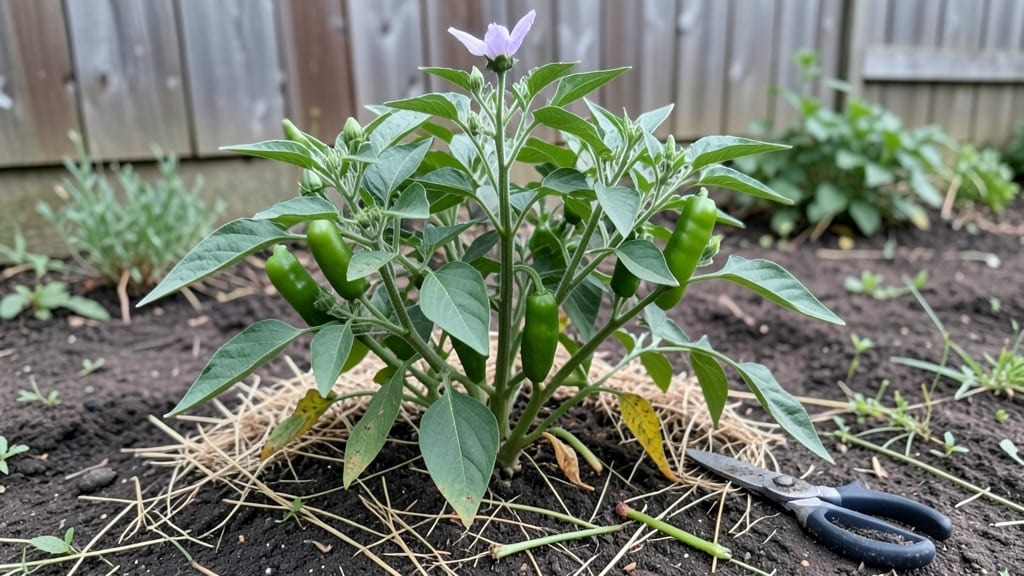
Trimming jalapeño plants transforms leggy, sparse bushes into dense, pepper-packed powerhouses—and I’ve turned my own patch from scraggly to spectacular using these exact steps. The key isn’t just cutting branches; it’s shaping the plant to focus energy where it counts.
My first attempt left me with fewer peppers and more frustration, but now I prune like a pro, and my plants reward me with 30-40% more harvests each season.
You’ll need just three tools: sharp pruning shears, clean garden gloves, and a small spray bottle of diluted hydrogen peroxide (for disinfecting cuts). Timing matters too—prune during active growth in spring or early summer, never when flowers or peppers are already forming.
The goal is to remove leggy stems, weak suckers, and crowded branches, which lets sunlight and air reach the core of the plant where new growth sprouts fastest.
What you’ll end up with is a jalapeño plant that looks like a bushy, velvety-green machine instead of a skinny stalk with a few peppers clinging to the sides.
Air circulation improves, disease risk drops, and the plant directs its energy into thicker stems and more fruit rather than sprawling vines. By late summer, you’ll be snipping peppers off branches that would’ve been bare without pruning.
This method works for both container-grown and in-ground jalapeños, though container plants need slightly more frequent pruning to stay compact. The biggest mistake? Over-pruning or using dirty tools—both stress the plant and invite pests.
Stick to one-third of the plant’s growth at a time, and always cut just above a leaf node where new branches can form.
📚 In This Guide
- What you need
- Instructions
- Tips and common mistakes
- Wrapping up and next steps
What you need
- ● Pruning shears or sharp bypass pruners – Must be sterilized (70% isopropyl alcohol or bleach solution) to prevent disease spread. (1 pair)
- ● Gloves (cut-resistant or gardening gloves) – Protects hands from thorns and irritating peppers. (1 pair)
- ● Disinfectant (rubbing alcohol, hydrogen peroxide, or bleach) – For cleaning tools between cuts. (Small bottle)
- ○ Small container or bucket – To collect pruned branches or compost them on-site. (Optional but helpful)
- ● Sharp pencil or marker – For labeling pruned sections if grafting or propagating. (1)
- ● Hand pruners with long handles – For taller plants (6+ inches long).
- ● Garden twine or plant ties – To support heavy branches post-pruning. (Small roll)
- ● Compost bin or bag – For disposing of pruned material responsibly.
- ● Plant growth hormone (rooting powder) – If propagating cuttings. (Small jar)
- ● Spray bottle with water – To mist cuts and reduce stress on the plant.
Step-by-step instructions for trimming jalapeño plants
Pruning jalapeños isn’t just about shaping—it’s how you get more peppers and stronger plants.
Identify the Right Time to Prune
Wait until your jalapeño plant has at least 3-4 true leaves and is 4-6 weeks old before pruning. This gives the plant enough energy to recover. I always prune in the early morning when the plant is turgid with water—this means cleaner cuts and less stress. Avoid pruning after a heavy rain or when the plant is wilting from heat.
Look for healthy, mature stems that are at least 1/8-inch thick. These are the ones that will respond best to pruning. Skip any stems that look weak, yellowed, or diseased—they won’t recover well. The goal is to encourage bushier growth, not to force more flowers or fruit from struggling branches.
Remove Suckers for Better Growth
Suckers are the small shoots that grow in the V-shaped junction where a branch meets the main stem. These compete with your plant for energy, so you’ll want to remove them completely at the base with clean, sharp pruners. I pinch them off with my fingers if they’re tiny, but for larger suckers, I use pruners to avoid tearing the stem.
Don’t leave even a tiny stub—this can lead to rot or pest attraction. Focus on the lower third of the plant first, as these suckers drain energy that could go to fruit production. After removing suckers, step back and assess the plant’s shape. You’re aiming for a balanced, open structure that allows sunlight and air to reach all parts of the plant.
Prune Leggy or Overgrown Stems
If your jalapeño plant has long, leggy stems reaching toward the light, it’s time to trim back. Cut these 1/4-inch above a leaf node (the bump where a leaf or branch grows). This encourages the plant to branch out from that node, creating a bushier shape. Avoid cutting into the woody part of the stem—you want to leave some green growth to support new shoots.
For stems that are too crowded, remove the weaker or inner branches to improve airflow. Good airflow reduces the risk of fungal diseases like powdery mildew, which can ruin your harvest. If you’re unsure which stem to keep, I always err on the side of removing the smaller or weaker one—jalapeños are resilient and will bounce back.
Encourage Flowering with Strategic Pruning
Once your plant is well-established (around 8-10 weeks old), you can focus on flowering branches. Look for stems that have at least 3-4 leaves before a flower cluster. These are the best candidates for pruning to encourage more blooms. Cut back just above the third or fourth leaf below the flower—this signals the plant to produce a new branch with even more flowers.
Here’s the thing—don’t overdo it. Pruning too aggressively late in the season can reduce your pepper yield. Stop pruning 6-8 weeks before your first frost to allow the plant to focus on ripening existing peppers. If you’re growing in a warm climate, you can prune lightly throughout the season, but always leave enough foliage to support photosynthesis.
Clean Up and Maintain After Pruning
After pruning, sterilize your pruners with rubbing alcohol to prevent spreading disease. Remove all pruned material from the garden—don’t compost it if it shows signs of disease. I like to spread a 1-inch layer of mulch around the base of the plant to keep moisture in and weeds out, which helps the plant recover faster.
Water deeply right after pruning to help the plant recover. Avoid fertilizing immediately—wait 3-5 days so the plant can focus on healing before taking in more nutrients. Keep an eye on the pruned areas for new growth within 7-10 days. If you see yellowing leaves or wilting, it might be a sign of stress—just give the plant a little more time to adjust.
Tips & tricks for perfectly trimmed jalapeño plants
Pruning jalapeños might seem intimidating at first, but these simple tricks will help you create a stronger, more productive plant with minimal stress.
The Timing Factor: The 4-6 week mark is ideal for your first pruning session, but don't rush it. I've learned that plants younger than 4 weeks often don't have enough energy reserves to recover properly. If your plant is exactly 4 weeks old, wait another week—better late than too soon. Also, that early morning timing is crucial because the plant's water content is highest then, making cuts cleaner and reducing stress.
Tool Selection Matters: While I pinch off small suckers with my fingers, I always keep a pair of clean, sharp pruners handy for larger stems. The key is to make clean cuts at a 45-degree angle—this prevents water from pooling on the cut surface, which can lead to rot. If you don't have pruners, a pair of scissors sterilized with rubbing alcohol works in a pinch. Just be sure to cut completely at the base, never leaving stubs that can attract pests.
Visual Growth Assessment: After pruning, step back and look at your plant from all sides. You're aiming for what I call the "open umbrella" shape—sunlight should be able to reach all parts of the plant. In Step 3, when you're dealing with leggy stems, look for that 1/4-inch mark above the leaf node. This is where new growth will emerge most vigorously. I've found that cutting just above this node creates the most robust new shoots, while cutting too high can leave the plant looking bare and stressed.
Seasonal Pruning Strategy: That 6-8 week frost guideline is your friend, but it's even more important to consider your local climate. In warmer regions, you can prune lightly throughout the season, but always stop at least 6 weeks before your first frost date. For cooler climates, focus your pruning efforts in the first half of the growing season. I've seen plants that were pruned too late in the season produce fewer peppers because they were still recovering when frost hit.
Pro Tips for Trim Jalapeno Plant
- Pruning jalapeños might seem intimidating at first, but these simple tricks will help you create a stronger, more productive plant with minimal stress.
- The Timing Factor: The 4-6 week mark is ideal for your first pruning session, but don't rush it.
- Tool Selection Matters: While I pinch off small suckers with my fingers, I always keep a pair of clean, sharp pruners handy for larger stems.
Frequently asked questions
Got questions about trimming your jalapeño plants? You’re not alone! Here are some of the most common concerns—and answers—to help you prune like a pro.
When is the best time to trim a jalapeño plant?
Trim your jalapeño plant after it’s established (about 6–8 weeks old) and has at least 4–5 sets of leaves. Avoid pruning during flowering or fruiting, as this can stress the plant. Focus on early growth to encourage bushier, more productive plants. Pro tip: Morning trims help wounds dry faster, reducing disease risk!
How much should I cut off when pruning?
Remove about 1/3 of the plant’s height in the first trim, focusing on the top growth. For ongoing maintenance, cut back 1–2 inches above a leaf node (where leaves meet the stem). Never trim more than 25% of the plant at once—this can shock it. Think of it like a haircut: gradual adjustments work best!
Will trimming my jalapeño plant reduce pepper production?
Not if done correctly! Pruning actually boosts production by redirecting energy to more peppers. However, over-pruning (especially during flowering/fruiting) can stress the plant and reduce yield. Balance is key—trim for shape early, then let it focus on peppers later. Fun fact: Bushier plants often yield 20–30% more peppers!
Can I use the trimmed jalapeño stems for anything?
Trimmed stems are great for propagation (root in water or soil) or compost. You can also chop them up for jalapeño-infused oil or homemade hot sauce. Just avoid using stems with signs of disease. Bonus: Freeze extra stems for later use—no waste here!
What should I do if my jalapeño plant looks sad after trimming?
If your plant wilted or dropped leaves after pruning, it’s likely stressed. Revive it by:
- Watering deeply (but not overwatering).
- Providing shade for a few days (if in hot sun).
- Avoiding fertilizer for 1–2 weeks to reduce shock.
Wrapping up and next steps
Trimming your jalapeño plant isn’t just about keeping it tidy—it’s your secret weapon for bushier growth, bigger yields, and healthier peppers! 🌱 With the right tools, timing, and technique, you’ll transform pruning from a chore into a rewarding gardening ritual.
Now that you’re armed with tips on when to prune, how to shape your plant, and even how to propagate cuttings, it’s time to get hands-on.
Start small—grab those pruners and give your plant the care it deserves. Before you know it, you’ll be harvesting a bountiful crop of fiery jalapeños to spice up your favorite dishes. Happy gardening! 🌶️✨