Container Gardens
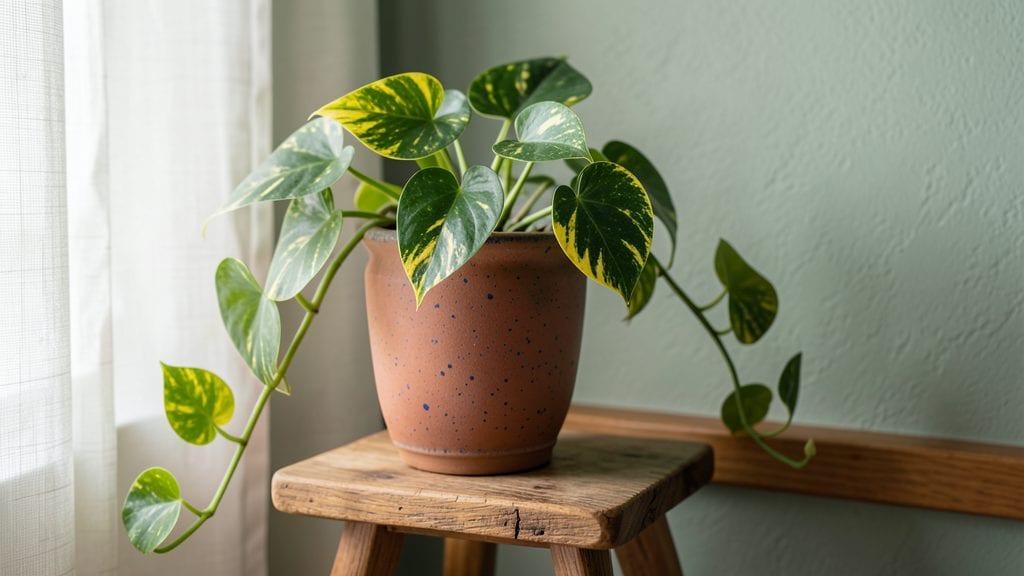
Stylish house plant containers transform any room from basic to breathtaking—without sacrificing plant health. I’ve filled my apartment with everything from handmade macramé hangers to vintage teacups, and the best part? The right container makes caring for plants easier.
A ceramic pot with drainage holes keeps roots happy, while a woven basket adds texture and airflow. The key is matching the container to the plant’s needs while making it look intentional.
Size matters more than you’d think. A snake plant thrives in a snug 6-inch pot, while a fiddle-leaf fig needs at least 12 inches to spread its roots comfortably. Fabric grow bags work for trailing plants like pothos, while terracotta’s breathability suits moisture-sensitive varieties.
And don’t overlook drainage—no plant deserves to sit in soggy soil. I’ve learned that the prettiest container is useless if it strangles your plant’s roots.
Here’s where it gets fun: styling. Pair a glossy monochromatic pot with a variegated monstera for drama, or nest a small succulent in a vintage tin for cottage charm. A tiered stand creates vertical interest, while hanging planters free up floor space.
The best setups feel lived-in, not staged—like the plants and containers belong together from day one. You’ll end up with a space that’s as functional as it is beautiful.
This works for any room, from sun-drenched living rooms to dimly lit offices. The only rule? Trust your eye—and your plants. Start with one statement piece, then build from there. Your green thumb space will thank you.
Root Causes of Plant Struggles
Even the most stylish house plant containers can’t save your greens if the wrong conditions are at play. When your plants look sad—yellowing leaves, stunted growth, or wilting—the issue often boils down to a few key factors tied to their containers.
Understanding these causes helps you fix (or prevent!) problems before they worsen. Let’s dive into the science behind why your plants might be suffering.
If your plant’s container lacks drainage holes or uses soil that retains too much water, roots suffocate from root rot. This fungal infection thrives in waterlogged conditions, cutting off oxygen and nutrients to roots. Over time, the plant weakens, leaves yellow, and stems turn mushy.
Why it happens:
- No escape route: Without drainage holes, excess water pools at the bottom, creating an anaerobic (oxygen-free) zone where harmful microbes feast on roots.
- Heavy or compacted soil: Clay-heavy or poorly amended potting mixes hold moisture like a sponge, slowing drainage even with holes.
- Overwatering habits: Using decorative cachepots (without drainage) or skipping the “finger test” (checking soil moisture) accelerates the problem.
Actionable fix: Upgrade to containers with drainage holes or use a cachepot system (inner pot with holes + outer decorative pot). Mix in perlite or orchid bark to improve airflow in the soil.
Containers that are too large or too small disrupt a plant’s ability to thrive. Roots need space to explore for nutrients, but they also need the right balance of soil volume to moisture ratio.
Why it happens:
| Problem | Cause | Plant Reaction |
|---|---|---|
| Overpotted | Excess soil stays damp too long, leading to fungal growth or nutrient dilution. | Slow growth, yellowing leaves, or root rot. |
| Underpotted | Roots circle tightly, exhausting nutrients and water too quickly. | Wilting, leaf drop, or stunted growth. |
Actionable fix: Choose containers 1–2 inches wider than the plant’s current root ball. For fast growers (like monstera or pothos), opt for deeper pots to encourage vertical root expansion.
Not all containers are created equal—materials like terracotta, plastic, or ceramic absorb or reflect light and heat differently, affecting soil temperature and moisture.
Why it happens:
- Terracotta: Porous and breathable, it wicks moisture from soil (great for drought-prone plants but risky for moisture-lovers like ferns). In direct sun, it can also overheat roots.
- Plastic: Retains moisture longer but may trap heat, speeding up evaporation in hot climates.
- Glazed ceramic: Non-porous and stylish, but soil stays damp longer, increasing rot risk.
- Metal: Conducts heat/coolth quickly—ideal for desert plants but deadly for tropicals in summer.
Actionable fix: Match container material to your plant’s needs. For example, use terracotta for succulents (fast-draining) and plastic for moisture-loving plants (slower evaporation). Move containers away from harsh sunlight if they overheat.
Potted plants rely entirely on the soil within their containers for nutrients. Without replenishment, essential elements like nitrogen, phosphorus, and potassium get depleted, leading to weak growth or yellowing.
Why it happens:
- No fertilizer: Unlike garden soil, potting mixes lack organic matter to replenish nutrients over time.
- Overwatering leaches nutrients: Frequent watering flushes soluble nutrients (like nitrogen) out of the container.
- Old soil compacts: After 1–2 years, potting mix breaks down, reducing aeration and nutrient availability.
Actionable fix: Feed plants every 4–6 weeks with a balanced liquid fertilizer (like 10-10-10) or use slow-release granules. Refresh soil every 12–18 months or repot to loosen compacted mix.
Some containers become unintentional pest hotels. Fungal gnats, mealybugs, or scale insects thrive in damp, undisturbed soil or crevices in decorative pots.
Why it happens:
- Moisture buildup: Overwatered soil attracts fungal gnats, whose larvae feast on decaying organic matter.
- Poor ventilation: Tight-fitting cachepots or sealed containers trap humidity, inviting mites and mold.
- Infested soil or tools: Reusing contaminated potting mix or sharing gardening tools spreads pests.
Actionable fix: Let soil dry between waterings, and use yellow sticky traps for gnats. Wipe down container rims and saucers with soapy water. For severe infestations, treat soil with neem oil or beneficial nematodes.
Fixing Common Planter Problems
Even the most stylish house plant containers can run into issues—whether it’s drainage woes, root-bound plants, or pests. But don’t worry! With the right fixes, your green space will thrive in no time.
Below, we’ve mapped out practical solutions for the most common problems, along with prevention tips to keep your plants happy long-term.
Cause: Poor drainage leads to soggy soil, root rot, and unhappy plants. Fix:
- 🔥 Upgrade Your Containers – Choose pots with drainage holes or add a layer of pebbles at the bottom before soil.
- 🍳 DIY Drainage Fix – If repotting isn’t an option, drill small holes in the bottom of plastic or ceramic pots.
- 👨🍳 Use a Cache Pot – Place a decorative outer pot over a functional inner one with drainage.
Prevention Tips: ✔ 💡 Always use well-draining potting mix. ✔ 🌡️ Water only when the top inch of soil feels dry. ✔ ✨ Elevate pots on saucers to catch excess water.
Cause: Roots circling the container restrict growth and nutrient uptake. Fix:
- 🔪 Repot Gently – Remove the plant, trim tangled roots, and transfer to a slightly larger container.
- 🥘 Refresh the Soil – Mix in fresh potting mix to revive nutrients.
- 🌱 Choose the Right Size – Opt for containers just 1-2 inches larger in diameter than the root ball.
Prevention Tips: ✔ 🎯 Repot every 1-2 years for fast-growing plants. ✔ 💪 Monitor root growth by gently tugging the plant—if it resists, it’s time to upgrade!
Cause: Fungus gnats, aphids, or spider mites thrive in damp soil or crowded leaves. Fix:
- 🔥 Isolate & Inspect – Separate affected plants and check leaves/stems for pests.
- 🍳 Natural Remedies – Spray with neem oil or insecticidal soap (follow instructions).
- 👨🍳 Adjust Care – Reduce watering and improve airflow by spacing plants properly.
Prevention Tips: ✔ 💡 Wipe leaves regularly with a damp cloth. ✔ 🌡️ Avoid overwatering—pests love moisture! ✔ ✨ Use beneficial insects like ladybugs to control pests naturally.
With these fixes, your house plant containers will stay functional, stylish, and plant-friendly. A little maintenance goes a long way—happy plants mean happy decor! 🌿✨
Frequently asked questions about house plant containers
What’s the best material for containers that keep plants healthy?
Terracotta is ideal for succulents and cacti because it breathes and prevents overwatering. For tropical plants, glazed ceramic or plastic holds moisture better. Fabric grow bags work well for trailing plants like pothos, as they allow roots to breathe while retaining humidity. Always prioritize drainage—no plant thrives in soggy soil!
How do I choose the right size container for my plant?
Start with a pot just 1-2 inches wider than the plant’s root ball. Too-large containers hold excess moisture, while too-small ones cause root binding. For fast growers like monstera, opt for deeper pots to accommodate vertical root growth. Check for resistance when gently tugging the plant—if it resists, it’s time to upgrade!
Can I use decorative pots without drainage holes?
Only if you use a cachepot system: place a functional inner pot with drainage holes inside the decorative outer pot. This keeps your design intact while saving your plant’s roots. For plants like ferns or calatheas that love humidity, this setup works beautifully—just empty the saucer after watering to prevent root rot.
What’s the easiest way to repurpose old containers for plants?
Clean thoroughly, drill drainage holes if needed, and line the bottom with pebbles or broken pottery. Old teacups, tin cans, or even boot-shaped containers make charming planters—just ensure they’re food-safe if they once held edibles. For hanging options, macramé hangers or repurposed colanders add boho flair while keeping plants accessible.
How often should I refresh the soil in house plant containers?
Replace soil every 12-18 months to prevent nutrient depletion and compacting. Mix in fresh potting mix or compost when repotting to revive drainage and aeration. For slow growers like snake plants, you can extend this to 2-3 years, but always monitor for signs of stale soil like yellowing leaves or slow growth.