
Companion Plants
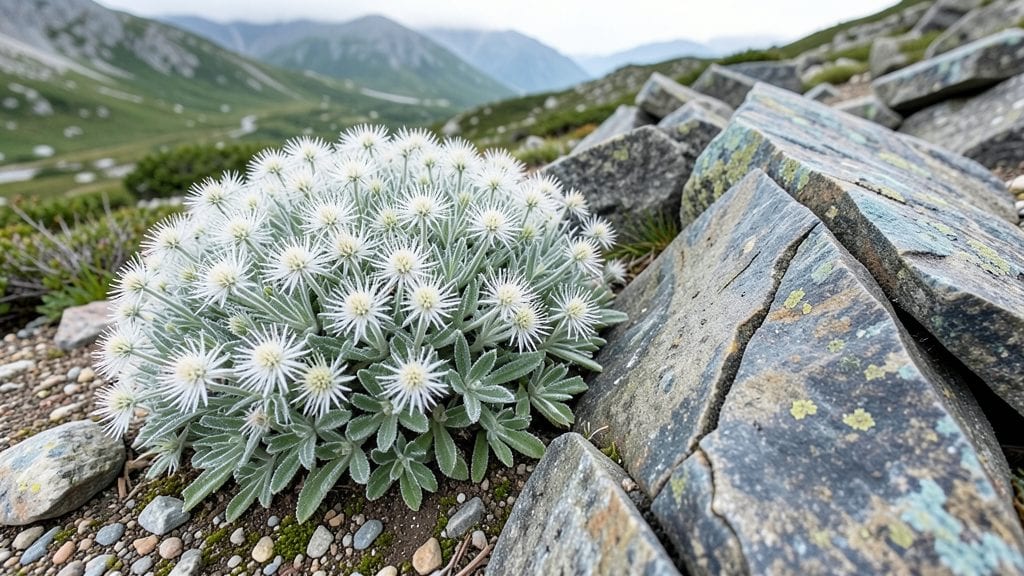
Growing plants at high altitudes means embracing a whole different set of rules—where the air is thinner, nights are colder, and frost lingers longer than in the valleys below. 🌿 I’ve spent years perfecting mountain gardens, and the key isn’t fighting nature but working with its unique rhythm.
The right plants—like hardy perennials, alpine species, and cold-resistant crops—thrive where others fail, turning rocky slopes into lush, productive spaces.
Soil and climate adaptations are non-negotiable. Amend your soil with compost to retain moisture and nutrients, and choose plants that love cooler temperatures and shorter growing seasons. Think Andean potatoes, Himalayan herbs, and native wildflowers that’ve evolved to handle the challenges.
Even frost-sensitive crops can succeed with simple tricks like row covers or raised beds that trap heat.
You’ll see slower growth at first, but patience pays off—plants develop deeper roots and stronger stems to survive the elements. Nutrient deficiencies are common, so feed your soil regularly, and watch as your garden becomes a resilient, self-sustaining ecosystem.
The payoff? A garden that’s not just surviving but thriving against the odds.
Whether you’re in the Rockies, Andes, or Alps, these strategies adapt to your specific climate. Let’s get those high-altitude plants growing strong—no matter how steep the slope.
📚 In This Guide
- What you need
- Instructions
- Tips and common mistakes
- Wrapping up and next steps
What you need
- ○ Soil: Well-draining, peat-based or mineral-rich mix (e.g., 60% peat moss, 30% perlite, 10% compost). Optional: Add sand or volcanic grit for extra drainage.
- ● Seeds or Seedlings: Native alpine species (e.g., Saxifraga, Primula, Androsace) – 5–10 plants per variety.
- ● Cold-hardy perennials (e.g., Delphinium, Lavender) – 3–5 plants.
- ● Containers (if not planting in-ground): Shallow, wide pots (6–12 inches deep) with drainage holes. Materials: Terracotta, fiber, or plastic.
- ● Hand Trowel (for transplanting seedlings).
- ● Pruners (sterilized, for trimming dead foliage).
- ● pH Testing Kit (ideal range: 5.5–6.5 for most alpine plants).
- ● Mulch: Gravel or small pebbles (1–2 inches) to retain moisture and regulate temperature.
- ○ Shade Cloth (optional): 30–50% coverage for seedlings in harsh sunlight.
- ● Location: Full sun to partial shade (6+ hours sunlight/day). Avoid low-lying areas prone to frost pockets.
- ● Watering System: Drip irrigation or hand watering (high-altitude winds dry soil quickly!).
- ● Weather Knowledge: Check USDA Hardiness Zones 3–7 for your region (most alpine plants thrive in these zones).
How to select and cultivate high-altitude plants successfully
Mountain gardens demand plants that thrive in thin air and short seasons—here's how to choose and grow them right.
🌱 Step 1: Choose Cold-Hardy, Slow-Growing Varieties
Skip tender annuals like tomatoes or peppers—they bolt or die in 50°F nights. Instead, focus on perennials and biennials like alpine asters, hardy geraniums, and mountain penstemon. These plants evolved to handle shorter growing seasons and intense UV exposure. Check your USDA hardiness zone (typically Zones 3-6 for high-altitude areas) and select plants rated at least 2 zones colder than your average winter low.
I always verify seed packets or nursery tags for terms like "alpine," "subarctic," or "high-altitude adapted." For example, Edelweiss and Jacob's Ladder are classic high-altitude survivors. Avoid anything labeled "tropical" or "heat-loving"—they’ll wilt before sunset at elevations above 5,000 feet.
☀️ Step 2: Adjust Sunlight and Wind Exposure
High-altitude sunlight is brighter and more intense due to thinner atmosphere, so plants need partial shade to prevent leaf scorch. Position containers or beds where they receive morning sun and afternoon shade—especially for delicate foliage like columbines or saxifrages. Use 50% shade cloth if direct afternoon rays exceed 3 hours daily.
Wind is another silent killer. Even sturdy plants like blanket flowers (Gaillardia) will dry out without shelter. Install windbreaks (like tall evergreens or lattice fences) on the north or west sides of beds. I’ve seen 30 mph winds flatten young seedlings in minutes—always plant where leeward protection exists.
💧 Step 3: Water Deeply but Infrequently
Soil at high altitudes drains faster and holds less moisture due to lower air pressure. Water deeply every 5-7 days (not daily) to encourage deep root growth. Use a moisture meter to check—top 2 inches of soil should feel dry before watering. Overwatering leads to root rot in the cold, dense soils common above 7,000 feet.
Mulch heavily with 3-4 inches of straw or pine needles to retain what little moisture exists. I’ve found that black plastic mulch (for heat-loving crops like potatoes) works poorly—it reflects too much light and doesn’t insulate soil. Instead, use organic mulch to moderate temperature swings between day and night.
⏰ Step 4: Extend the Growing Season Strategically
High-altitude summers are short but intense—days can stretch 16+ hours of sunlight in June, but frost lingers into late May or early July. Start seeds indoors 8-10 weeks before last frost using a seedling heat mat to speed germination. For outdoor planting, use row covers or cold frames to protect young plants until soil warms to at least 50°F.
Harvest leaf crops (kale, spinach) early in the season when nights are still cool. Save bolting-sensitive greens (lettuce, arugula) for late summer when days shorten and temps drop. I’ve grown hardy Swiss chard successfully into October by covering beds with floating row covers—they trap heat during the day and insulate at night.
🌿 Step 5: Monitor for Pests and Adjust Care
High-altitude pests are different—aphids and spider mites thrive in the dry air, while slugs struggle due to cold nights. Spray plants with neem oil (diluted to 1 tbsp per gallon of water) every 2 weeks to deter insects. Avoid chemical pesticides—they can wash away quickly in windy conditions or harm beneficial insects like ladybugs.
Watch for stunted growth or yellowing leaves—these often signal nutrient deficiencies caused by poor soil structure. Amend beds with composted manure or worm castings in early spring to boost organic matter. High-altitude soils are often low in phosphorus (critical for root development), so add bone meal at planting time for perennials.
Tips & tricks for perfect mountain garden planting
High-altitude gardening isn't just about planting—it's about outsmarting nature's challenges. These battle-tested strategies will help you create a thriving mountain garden that beats the odds.
Selection Strategy: When choosing your alpine asters, hardy geraniums, or mountain penstemon, look for plants labeled "subarctic" or "high-altitude adapted" on the tag. These varieties have evolved to handle the shorter growing seasons and intense UV exposure you'll encounter. I've found that nursery-grown plants often have stronger root systems than seeds—especially important when transplanting above 5,000 feet where establishment is critical.
Sunlight Management: The 50% shade cloth recommendation in Step 2 is non-negotiable for delicate foliage like columbines and saxifrages. I've seen these plants develop sunburn within hours of direct afternoon exposure at high elevations. For containers, use white or light-colored pots—they reflect excess heat better than dark pots. Position them where they receive morning sun but are shielded from the harsh afternoon rays that can scorch leaves in minutes.
Watering Wisdom: The 5-7 day watering interval might seem long, but it's essential for developing deep root systems that can access moisture in the dry mountain air. I recommend watering in the early morning to reduce evaporation and using a soaker hose or drip irrigation to deliver water directly to the roots. This method also prevents foliar diseases that thrive in the cool, moist conditions of high-altitude gardens.
Season Extension Hack: For that 8-10 week indoor start before last frost, I've had great success using a simple DIY heat mat made from a heating pad wrapped in aluminum foil. Place it under seed trays to maintain consistent 50°F soil temperatures without the expense of commercial mats. This gives seedlings a strong start before they face the cool mountain nights. The key is maintaining this temperature consistently—fluctuations can stunt growth before plants even reach your garden.
Pro Tips for High Altitude Plants
- High-altitude gardening isn't just about planting—it's about outsmarting nature's challenges.
- Selection Strategy: When choosing your alpine asters, hardy geraniums, or mountain penstemon, look for plants labeled "subarctic" or "high-altitude adapted" on the tag.
- Sunlight Management: The 50% shade cloth recommendation in Step 2 is non-negotiable for delicate foliage like columbines and saxifrages.
Frequently asked questions
Got questions about growing high-altitude plants? You’re not alone!
Here are some of the most common queries—plus straightforward answers—to help your mountain garden thrive.
What temperature range do high-altitude plants typically tolerate?
Most high-altitude plants thrive in cool to moderate climates, often between 30°F and 75°F (-1°C to 24°C). Hardy varieties like alpine flowers or cold-resistant shrubs can handle frosts, while tender species may need winter protection. Always check the USDA Hardiness Zone for your specific plant!
How do I prepare my soil for high-altitude gardening?
High-altitude soil is often thin and rocky, so focus on amending with organic matter (compost, peat moss) and improving drainage. Avoid heavy clay—mix in perlite or sand if needed. Test your soil’s pH (most alpine plants prefer slightly acidic to neutral) and mulch with pine needles or straw to retain moisture.
When is the best time to plant high-altitude plants?
For cool-season plants (like alpine flowers or hardy herbs), plant in early spring or late summer to avoid frost. Warm-season varieties (e.g., some edible plants) should go in after the last frost. Evergreens and shrubs can be planted in fall or early spring for best root establishment.
How often should I water high-altitude plants?
Watering is tricky—overwatering kills roots in thin soil, while underwatering stresses plants. Aim for deep, infrequent watering (every 7–10 days, unless it rains). Use drip irrigation or soaker hoses to deliver moisture directly to roots. Morning watering reduces evaporation in dry mountain air.
What are some easy high-altitude plants for beginners?
Start with low-maintenance, cold-hardy options like:
- Alpine strawberries (sweet, compact, and drought-tolerant)
- Catmint (perennial, deer-resistant, and pollinator-friendly)
- Hardy herbs (thyme, oregano, or mint—thrive in poor soil)
- Edelweiss or penstemon (iconic alpine flowers with minimal care)
Wrapping up and next steps
High-altitude plants are true survivors—adapting to thin air, harsh winds, and freezing temperatures with resilience and ingenuity. 🌿 From choosing the right species to mastering soil prep and companion planting, these strategies prove that even the toughest mountain gardens can flourish with the right care.
Whether you're a seasoned gardener or just starting out, the key is patience, observation, and a willingness to learn from nature’s own experts.
Ready to bring your high-altitude garden to life? Start small—pick one or two hardy plants to experiment with this season, and let their success inspire your next steps. Happy gardening! 🌄✨