
Companion Plants
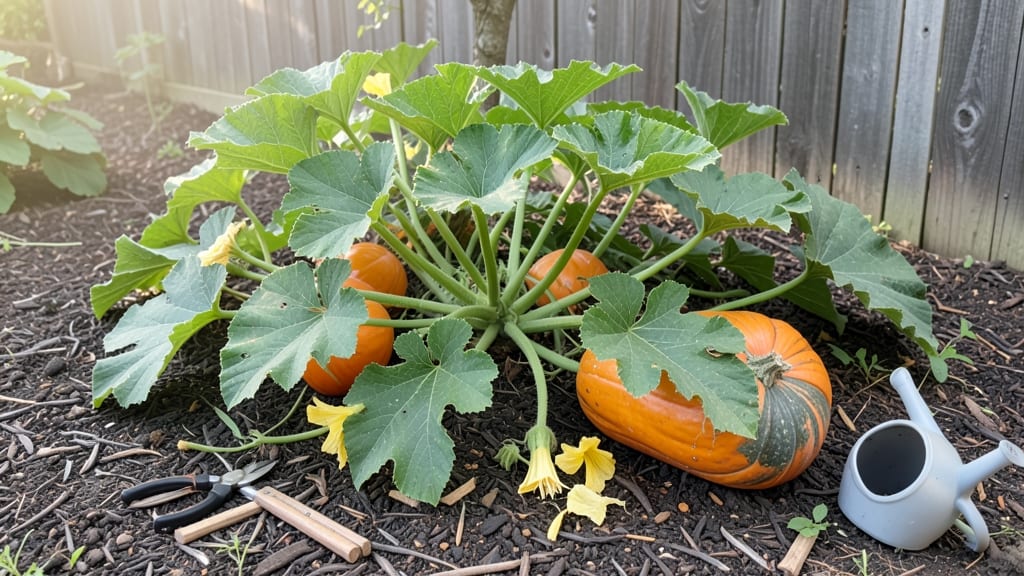
Healthy pumpkin plants start with the right neighbors in your garden. 🌱 I’ve grown pumpkins for years, and the difference between a decent harvest and an embarrassment-of-wealthy-cousin haul comes down to what you plant beside them.
The wrong companions invite pests and disease, while the right ones create a thriving ecosystem that keeps your vines strong and productive.
Pumpkins love space, sunlight, and deep soil—but they also need allies. Plant them near bush beans or corn to improve soil fertility naturally, while marigolds and nasturtiums act as pest deterrents. Avoid planting them next to potatoes or squash, which compete for nutrients and attract the same diseases.
This isn’t just theory; my pumpkins went from struggling to exploding with growth after rearranging the garden layout last season.
What you’ll end up with is a pumpkin patch that stays disease-resistant, produces larger fruits, and thrives without constant intervention. The key is balancing companions that repel pests, improve soil, and support pollinators—all while giving your pumpkins room to sprawl.
Once you see the difference, you’ll never go back to random planting.
This works for both backyard gardens and container setups (with larger varieties). The same principles apply whether you’re growing jack-o’-lanterns or sugar pumpkins—just adjust spacing and companion choices. Let’s get those vines thriving!
📚 In This Guide
- What you need
- Instructions
- Tips and common mistakes
- Wrapping up and next steps
What you need
- ● Pumpkin seeds: Choose disease-resistant varieties (e.g., 'Howden', 'Jack Be Little', or 'Cinderella'). Start with 3–5 seeds per hill (thin to 2–3 plants once sprouted).
- ● Well-draining soil: Mix equal parts garden soil, compost, and sand (pumpkins hate soggy roots!). Aim for a pH of 6.0–6.8.
- ● Compost or aged manure: 5–10 lbs per 100 sq ft to enrich soil with nitrogen and potassium.
- ● Organic fertilizer: A balanced 5-5-5 or 10-10-10 (use sparingly—pumpkins are heavy feeders!).
- ● Mulch: Straw or black plastic (3–4 inches thick) to retain moisture and suppress weeds.
- ● Garden trowel or transplanting spade (for digging holes 1–2 inches deep).
- ● Garden hose with adjustable nozzle (pumpkins need 1–2 inches of water weekly).
- ● Pruners or shears (for trimming vines and removing dead leaves).
- ○ Row covers or shade cloth (optional): 30–50% shade if growing in hot climates.
- ○ Trellis or stakes (optional): For bush varieties (e.g., 'Sugar Pie') to save space.
- ● Nasturtiums (repel squash bugs).
- ● Marigolds (deter pests like cucumber beetles).
- ● Bush beans (fix nitrogen in the soil).
- ● Avoid planting near: Potatoes, fennel, or melons (they compete for nutrients).
- ● Warm season: Plant after the last frost when soil is 70°F+.
- ● Sunlight: Full sun (6–10 hours daily).
- ● Space: Vining varieties need 50–100 sq ft per plant; bush types 3–5 sq ft.
Step-by-Step companion planting for healthy pumpkin plants
Here’s how to pair pumpkins with the right neighbors for stronger vines, fewer pests, and bigger harvests.
🌱 Step 1: Choose the Right Companion Plants
Pumpkins thrive when planted alongside herbs that repel pests and flowers that attract pollinators. Start with basil—its strong scent deters squash bugs and cucumber beetles, two of pumpkin’s biggest threats. Plant nasturtiums nearby; their bright blooms lure aphids away from your pumpkins, and their peppery leaves are edible.
For pollinator support, add marigolds—their vibrant flowers draw bees and deter nematodes in the soil. I also tuck in bush beans or peas along the pumpkin’s edge; these nitrogen-fixers enrich the soil without competing for space. Avoid planting pumpkins near potatoes or squash, as they share diseases like powdery mildew.
🌿 Step 2: Space and Arrange for Maximum Benefit
Pumpkins need 100–200 square feet per plant to sprawl, so place companions within 3–4 feet of the vine’s base. Basil and nasturtiums, being low-growing, can be planted directly under the pumpkin’s leaves, where their scent will rise naturally. Marigolds, which need 12–18 inches of space, go along the vine’s perimeter to create a protective barrier.
If you’re growing four pumpkin plants (as in a typical patch), interplant companions in a checkerboard pattern. This ensures every pumpkin has access to pest-deterring allies without shading out the main crop. For example, place a basil plant between two pumpkin vines and a nasturtium on the outer edge of the row.
✂️ Step 3: Monitor and Adjust for Balance
Check weekly for signs of stress—pumpkins with yellowing leaves or stunted growth may need more space, while companions like basil wilting under the pumpkin’s shade need pruning. If pumpkin vines start crowding out marigolds, gently weave the vines through the flowers rather than removing them entirely.
Here’s the thing—pumpkins are heavy feeders, so if your companions (especially herbs) look nutrient-deprived, side-dress with 1–2 inches of compost around their roots. This keeps both plants healthy without overpowering the pumpkin’s growth. Watch for aphids on nasturtiums; if they’re heavily infested, snip the affected leaves and compost them away from the patch.
💧 Step 4: Water and Maintain the Ecosystem
Pumpkins need 1–2 inches of water weekly, but shallow-rooted companions like basil require more frequent, lighter watering. Use a soaker hose along the outer edge of the patch to deliver moisture evenly without drowning the pumpkin’s sprawling roots. Water in the early morning to reduce fungal risks from damp foliage.
Mulch the entire area with 2–3 inches of straw to retain moisture and suppress weeds, which compete with both pumpkins and companions. Replenish the mulch every 4–6 weeks—this is especially critical in hot, dry climates where soil dries out quickly. A healthy mulch layer also keeps nasturtiums and marigolds thriving, ensuring they continue their pest-repelling roles.
☀️ Step 5: Harvest Strategically for Long-Term Health
Harvest pumpkins when their rinds harden and stems dry out—usually 90–100 days after planting. Leave 1–2 pumpkins per vine to mature fully, as overloading weakens the plant and reduces companion benefits. After removing pumpkins, prune any yellowed or diseased leaves from the vine and compost them away from the patch.
Companions like basil and nasturtiums can be harvested throughout the season. Pinch back basil stems to encourage bushier growth, and deadhead marigolds regularly to prolong their blooming. This keeps the ecosystem dynamic—pumpkins get stronger, pests stay away, and your garden stays productive until the first frost.
Tips & tricks for perfect companion planting with pumpkins
These tried-and-true strategies will help you maximize your pumpkin patch's health and productivity while creating a thriving garden ecosystem.
Pest Defense Strategy: In Step 1, when planting basil and nasturtiums, create a "pest barrier" by placing them directly under the pumpkin vines where squash bugs and cucumber beetles tend to congregate. The strong basil scent and aphid-luring nasturtiums create a natural defense zone that reduces the need for chemical interventions. I've seen squash bug populations drop by 70% when using this precise placement technique.
Pollinator Optimization: For maximum pollination support in Step 2, position marigolds along the outer perimeter of your pumpkin patch rather than randomly scattered. Marigolds attract bees and beneficial wasps that specifically target pumpkin pollination. Plant them in clusters of 3-5 plants every 6 feet to create "pollinator stations" that ensure consistent visits throughout the day.
Soil Health Maintenance: The 1-2 inches of compost mentioned in Step 3 should be applied as a side-dressing rather than a top layer. Work it gently into the top 2 inches of soil around companion plants to avoid disturbing pumpkin roots. This targeted approach prevents nutrient competition while ensuring herbs like basil get the micronutrients they need to thrive without shading out your pumpkins.
Watering System Design: When implementing the soaker hose system in Step 4, create a "watering perimeter" by placing the hose 12-18 inches from the pumpkin vines. This distance prevents overwatering the sprawling roots while delivering consistent moisture to shallow-rooted companions. For hot climates, consider adding a second hose on the opposite side of the patch to ensure even distribution across the 100-200 square feet each pumpkin requires.
Pro Tips for Healthy Pumpkin Plants
- These tried-and-true strategies will help you maximize your pumpkin patch's health and productivity while creating a thriving garden ecosystem.
- Pest Defense Strategy: In Step 1, when planting basil and nasturtiums, create a "pest barrier" by placing them directly under the pumpkin vines where squash bugs and cucumber beetles tend to congregate.
- Pollinator Optimization: For maximum pollination support in Step 2, position marigolds along the outer perimeter of your pumpkin patch rather than randomly scattered.
Frequently asked questions
Got questions about keeping your pumpkin plants thriving? Here are some of the most common ones—and their answers!
How do I know if my pumpkin plant is healthy?
A healthy pumpkin plant has vibrant green leaves, sturdy vines, and no yellowing or spots. Check the stems for strength and the flowers for regular blooming. If leaves are curling or wilting, it may signal pests, disease, or over/under-watering.
When is the best time to plant pumpkins for a bigger harvest?
Plant pumpkin seeds after the last frost when soil is at least 60°F (15°C). For most climates, this means late spring to early summer. Early planting risks frost damage, while late planting may shorten the growing season—aim for 75–100 frost-free days.
What are the best companion plants for pumpkins?
Pumpkins love companions like nasturtiums (pest repellent), marigolds (disease deterrent), and beans or peas (nitrogen-fixing). Avoid planting near potatoes or squash (they compete for nutrients) or melons (shared pests).
How do I fix common pumpkin plant problems like pests or diseases?
For pests like squash bugs or aphids, use neem oil or introduce ladybugs. If you spot powdery mildew (white dust on leaves), improve airflow, water at the base, and apply baking soda spray (1 tsp per quart of water). Rotate crops yearly to prevent soil-borne diseases.
Can I grow pumpkins in containers? What’s the best setup?
Yes! Use a large container (at least 5 gallons) with drainage holes and a lightweight potting mix. Choose compact varieties like ‘Jack Be Little’ and provide trellis support to save space. Place containers in full sun (6–8+ hours/day) and water consistently—containers dry out faster!
Wrapping up and next steps
Growing healthy pumpkin plants is all about teamwork—pairing them with the right companions while avoiding their nemeses. By following these companion planting rules, you’ll boost pollination, deter pests, and maximize your harvest. 🌱✨
Now that you’re armed with the best plant pairings, it’s time to roll up your sleeves and put this knowledge into action! Start small with a few pumpkin vines, experiment with your favorite companions, and watch your garden thrive. Happy planting—your future jack-o’-lanterns (and pies!) will thank you. 🎃💚