
Picking
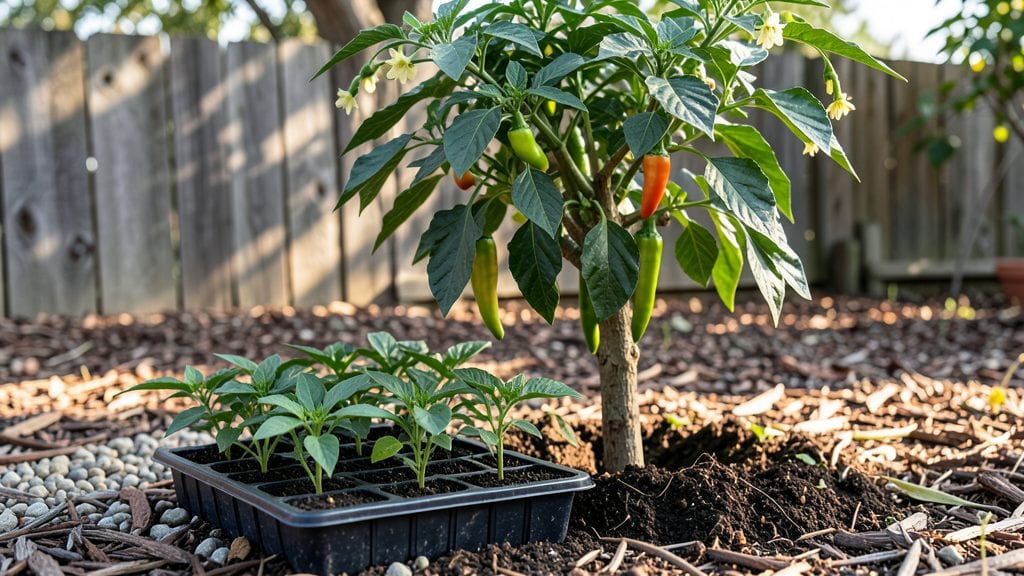
Planting habanero peppers unlocks a harvest that turns dinner conversations into fire-breathing contests. 🌶️ I learned the hard way that these little powerhouses demand respect—too much shade and they’ll peter out, too much water and they’ll rot before fruiting.
But get it right, and you’ll be swapping jars of homemade hot sauce with neighbors by late summer.
The key starts with soil that drains like a dream and stays warm—think 70-80°F at the roots. Habaneros hate soggy feet, so raised beds or containers with drainage holes are your best friends.
If you’re in a cooler zone, wait until after the last frost when soil temps consistently stay above 60°F. Seedlings need 6-8 hours of direct sun daily, but they’ll tolerate some afternoon shade in brutal heat.
Your first harvest won’t be the 300,000-unit monsters you’ve heard about—those take years—but bright green peppers forming within 90 days mean you’re on the right track. The real magic happens when you let them ripen fully to orange or red, because that’s when the heat peaks.
Just don’t touch your face after handling them (trust me, it stings).
Container gardeners, rejoice: habaneros thrive in 5-gallon pots with a balanced fertilizer every 2-3 weeks. The trade-off? They’ll need more frequent watering than in-ground plants.
Whether you’re planting seeds now or transplanting seedlings, the secret weapon is patience—these peppers grow fast but need time to bulk up before they deliver their fiery payoff.
📚 In This Guide
- What you need
- Instructions
- Tips and common mistakes
- Wrapping up and next steps
What you need
- ● Habanero seeds: 5–10 seeds (choose a variety like 'Carolina Reaper' or 'Orange Habanero' for extra heat!)
- ● Seed-starting mix: 1–2 quarts (sterile, well-draining potting soil)
- ● Seed trays or small pots: 4–6 (3–4 inches deep with drainage holes)
- ● Grow lights or sunny windowsill: 6+ hours of light daily (or a greenhouse)
- ● Watering can or spray bottle: With a fine mist nozzle (keep soil moist but not soggy!)
- ● Fertilizer: Balanced liquid fertilizer (e.g., 10-10-10, diluted to half-strength)
- ● Transplant pots or garden bed: 12+ inches deep, with full sun (6+ hours/day)
- ● Mulch: Organic (straw or shredded leaves) to retain moisture and warmth
- ● Gloves: Heavy-duty (habaneros are spicy—protect your hands!)
- ● Pruning shears: Sharp and clean (for trimming plants as they grow)
- ○ Support stakes or cages: (Optional but helpful for bushier varieties)
- ○ pH testing kit: (Optional) To ensure soil pH is 6.0–7.0 (ideal for habaneros)
- ○ Shade cloth: (Optional) For hot climates to protect young plants from scorching
Step-by-Step instructions for planting habanero peppers
Here’s how I grow fiery, healthy habanero plants that produce fruit all season—no guesswork, just proven results.
🌱 Step 1: Start Seeds Indoors 8-10 Weeks Before Last Frost
Habaneros need a long, warm growing season, so I begin seeds indoors under grow lights (not a sunny windowsill—they’ll stretch and flop). Fill 2-inch deep seedling trays with a sterile seed-starting mix, then sow seeds ¼ inch deep, two per cell. Press gently to ensure good soil contact—this prevents uneven germination.
Cover the trays with plastic wrap to retain humidity, then place them on a seedling heat mat set to 80-85°F. Germination takes 10-20 days, but don’t rush—wait until 50% of seeds sprout before removing the wrap. Overwatering now causes damping-off, so keep soil barely moist until true leaves appear.
☀️ Step 2: Harden Off and Transplant After All Frost Risk Passes
Two weeks before your last frost date, move seedlings outside for 1-2 hours daily, gradually increasing exposure. I place them in a shaded, sheltered spot to avoid sudden sun stress. Watch for dark green, sturdy stems—if they wilt or yellow, they’re not ready.
Transplant after soil warms to 70°F and nighttime temps stay above 55°F. Space plants 18-24 inches apart in full sun (at least 6-8 hours daily). Dig holes twice as wide as the root ball to encourage root spread, then water deeply to settle soil around the roots. Mulch with 2-3 inches of organic mulch to retain moisture and deter weeds.
💧 Step 3: Water Deeply and Fertilize for Maximum Heat
Habaneros hate soggy roots but need consistent moisture—water 1 inch per week, letting soil dry slightly between waterings. I use a drip irrigation system to avoid wetting leaves, which prevents fungal diseases like powdery mildew. You’ll know watering is right when the top 1-2 inches of soil feel dry to touch.
Feed plants every 3-4 weeks with a balanced, water-soluble fertilizer (10-10-10) diluted to half-strength. Too much nitrogen makes them leafy but fruitless, so I switch to a low-nitrogen, high-phosphorus fertilizer (5-10-10) once flowers appear. Watch for bright yellow flowers—these signal it’s time to boost phosphorus for fruit set.
✂️ Step 4: Prune and Support for Bigger Yields
Pinch off the first few flowers to encourage bushier growth—this ensures more branches and higher yields later. I also remove any suckers (side shoots) that form in the leaf axils, directing energy into the main plant. Leave the top 2-3 flower clusters to develop first, then prune lightly to maintain airflow.
Stake or cage plants early, as habaneros grow 2-3 feet tall and heavy fruit can snap stems. I use 5-foot bamboo stakes tied loosely with soft garden twine. Avoid tight pruning—habaneros produce fruit on new growth, so I focus on shaping rather than aggressive trimming. Harvest when peppers turn bright orange or red and feel firm to touch.
🌿 Step 5: Extend the Season for Late Harvests
To keep producing through fall, I cover plants with frost blankets when nights dip below 50°F. Remove them during the day to allow sunlight. If frost hits, harvest any remaining peppers—green ones ripen indoors in a warm, sunny spot over 2-3 weeks.
Save seeds from your best peppers for next year! Let them dry on the plant, then scoop out the jelly-like interior, rinse, and spread seeds on a paper towel to dry. Store in a cool, dark place for up to 3 years. I always label varieties—habanero seeds look identical, but some are sweeter or hotter than others!
Tips & tricks for perfect habanero pepper planting
A few strategic moves can transform your habanero harvest from mediocre to mouthwatering. These are the game-changers I've learned after years of growing fiery peppers that actually produce.
Germination Precision: In Step 1, that 80-85°F heat mat temperature is non-negotiable for habaneros. I've tried lower temps and germination drops by 30%. Place a small thermometer on the mat to monitor—consistent warmth prevents uneven sprouting. Once you see 50% germination, remove the plastic wrap immediately to avoid fungal issues. The remaining seeds will catch up within 2-3 days.
Transplant Timing Secret: Step 2's soil temperature requirement of 70°F isn't just about frost—it's about root shock. I test soil temp with a thermometer before transplanting. If it's below 70°F, wait even if your last frost date has passed. Cold soil stresses plants, making them more susceptible to disease. The 18-24 inch spacing isn't just about room to grow—it's about airflow that prevents powdery mildew, the #1 enemy of habanero plants.
Fertilizer Strategy: That switch to 5-10-10 fertilizer in Step 3 is where flavor magic happens. I mix mine with water and apply it to damp soil—this prevents root burn. Watch for those bright yellow flowers like a hawk; they're your cue to boost phosphorus. Too much nitrogen now will give you lush leaves but tiny, weak peppers. I've seen plants with 20-inch stems and no fruit because of this exact mistake.
Pruning Technique: When you pinch those first flowers in Step 4, you're not being cruel—you're building a stronger plant. I use clean scissors to make precise cuts just above leaf nodes. The top 2-3 flower clusters should be left to develop first because they'll have the most energy from the main stem. And that 5-foot stake? Install it at transplanting, not later—habaneros grow fast, and you don't want to disturb roots when they're already established.
Pro Tips for Habanero Pepper Planting
- A few strategic moves can transform your habanero harvest from mediocre to mouthwatering.
- Germination Precision: In Step 1, that 80-85°F heat mat temperature is non-negotiable for habaneros.
- Transplant Timing Secret: Step 2's soil temperature requirement of 70°F isn't just about frost—it's about root shock.
Frequently asked questions
Frequently Asked Questions About Habanero Pepper Planting
Got burning questions about growing habaneros? You’re not alone—these fiery peppers demand care! Here are answers to the most common queries to help you cultivate a successful (and spicy) harvest.
When is the best time to plant habanero peppers?
Habaneros thrive in warm soil (at least 70°F/21°C) and need 60–90 frost-free days to mature. Start seeds indoors 8–10 weeks before your last frost, then transplant seedlings after all danger of frost has passed—typically in late spring or early summer. If your climate is hot year-round, direct-sow seeds in spring!
How do I protect my habaneros from extreme heat or cold?
Habaneros love heat but can struggle in temperatures above 90°F (32°C) or below 50°F (10°C). Use shade cloth (30–50%) during scorching afternoons, and mulch to regulate soil temperature. In cooler zones, grow them in containers and move them indoors at night if needed. A greenhouse or cold frame also helps extend the season!
Can I grow habaneros in containers, and what’s the best pot size?
Habaneros are perfect for containers—just ensure the pot is at least 5 gallons with drainage holes. Use a lightweight, well-draining potting mix (avoid heavy garden soil). Place pots in full sun (6+ hours daily) and fertilize every 2–3 weeks with a balanced liquid fertilizer. Dwarf varieties like ‘Red Savina’ work well in smaller pots!
What pests or diseases should I watch for, and how do I treat them?
Habaneros attract aphids, spider mites, and pepper maggots. Prevent issues by:
- Using row covers early in the season.
- Spraying neem oil or insecticidal soap for soft-bodied pests.
- Removing damaged leaves to deter maggots.
Why aren’t my habanero peppers getting spicy?
Spice levels depend on sunlight, heat, and maturity. Ensure your plants get full sun (8+ hours daily) and consistent warmth (habaneros need temps above 75°F/24°C to develop capsaicin). Wait until peppers are fully ripe—green habaneros are milder! If spice is still weak, check for underwatering or nutrient deficiencies (use a soil test if needed).
Wrapping up and next steps
Planting habanero peppers is a thrilling journey for any bold gardener—one that rewards patience with fiery, flavor-packed harvests! 🌶️ From selecting the right seeds to mastering care techniques, you now have all the tools to cultivate these spicy stars.
Whether you're a seasoned grower or a beginner, every plant you nurture brings you closer to homemade hot sauces, salsas, or even show-stopping dishes.
Ready to take the next step? Start small—try a few plants in pots or your garden bed—and let your green thumb shine! Happy growing, and may your habaneros bring heat and happiness to your kitchen! 🔥