Size
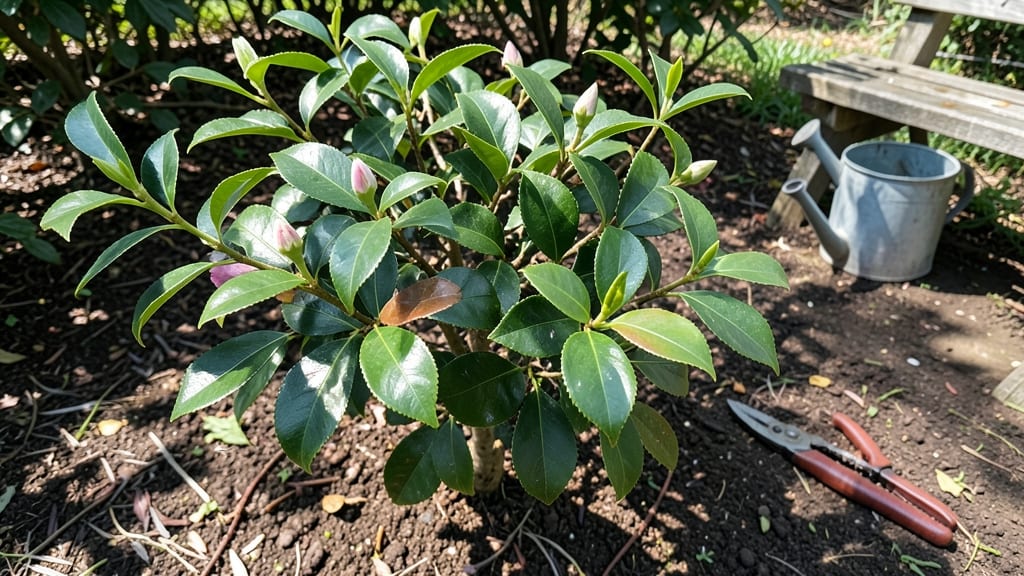
To grow a tea plant successfully, you'll need warm climates, well-draining acidic soil, and consistent moisture. Start with seeds or cuttings, plant in spring, and provide partial shade until established. Prune regularly to encourage bushy growth and harvest young leaves for tea processing.
Tea plants, or Camellia sinensis, thrive in tropical or subtropical zones where temperatures stay between 60°F and 85°F. 🌿 The soil must be acidic (pH 4.5-5.5) to mimic their natural habitat, and they need high humidity—think of a greenhouse environment.
Unlike hardy houseplants, tea plants are sensitive to frost and drought, so container growing in warmer climates is often the best solution for home gardeners. Once established, they reward you with delicate leaves perfect for homemade tea blends.
If you're starting from scratch, cuttings root more reliably than seeds, and spring planting gives young plants the best head start. I've found that morning sun with afternoon shade prevents stress, especially in hotter regions.
The key to a thriving tea plant is patience—it can take 3-5 years before you can harvest enough leaves for meaningful tea production. But the process is rewarding, especially when you sip your first homegrown cup!
💡 In This Article
- Ideal Growing Conditions for Tea Plants
- Step-by-Step Tea Plant Cultivation Process
Ideal growing conditions for tea plants
Tea plants (Camellia sinensis) originate from subtropical regions where they experience consistent warmth and high humidity. The optimal temperature range for growth is 60-85°F, with roots preferring slightly cooler 55-65°F soil temperatures.
Unlike hardy houseplants like snake plants (which tolerate 50-90°F), tea plants struggle below 50°F—frost will kill them instantly. Their natural habitat mimics a lush, tropical understory, where they receive dappled sunlight rather than harsh direct exposure.
The soil must be acidic (pH 4.5-5.5)—think of the soil in a blueberry patch or rhododendron garden. This acidity unlocks essential nutrients like iron and manganese, which tea plants crave for chlorophyll production. Most houseplant soils (pH 6-7) are too alkaline, causing nutrient deficiencies that manifest as yellowing leaves.
The soil must also be well-draining—waterlogged roots lead to rot within 2-3 days, while sandy loam (like a 60/40 mix of peat moss and perlite) keeps moisture without suffocating roots.
Humidity is non-negotiable—tea plants thrive at 70-80% relative humidity, similar to a greenhouse or bathroom with poor ventilation. In dry climates, you'll need to mist leaves daily or use a humidity tray with pebbles and water.
Unlike succulents (which love dry air), tea plants wilt dramatically when humidity drops below 60%. Their large, glossy leaves lose moisture rapidly through transpiration, making consistent moisture critical for photosynthesis.
Light requirements shift with the plant's age. Young tea plants need partial shade (30-50% sunlight) to prevent leaf scorch, while mature plants tolerate morning sun with afternoon shade. Direct midday sun (especially in summer) can raise leaf temperatures to 90°F+, causing protein denaturation and leaf burn.
This is why many commercial tea plantations use shade netting—it maintains ideal temperatures while filtering 40-60% of sunlight.
Comparing tea plants to common houseplants reveals their delicate nature. While a fiddle-leaf fig can survive 30% humidity and occasional dry spells, a tea plant's roots and leaves are far more sensitive.
Their shallow root systems (typically 12-18 inches deep) require frequent watering—1-2 inches per week during growing season—but never soggy soil. The trade-off? When conditions are perfect, tea plants grow 12-18 inches per year and produce 2-3 harvests annually of tender, flavorful leaves.
One often-overlooked factor is wind protection. Tea plants' delicate stems can snap in 10+ mph winds, so planting near a fence or using windbreaks is wise. In container growing, choose 15-20 gallon pots with drainage holes to prevent root rot while providing stability.
The key to success lies in replicating their natural environment—warmth, acidity, and humidity—with the precision of a greenhouse, even in a backyard setting. 🌿