
Companion Plants
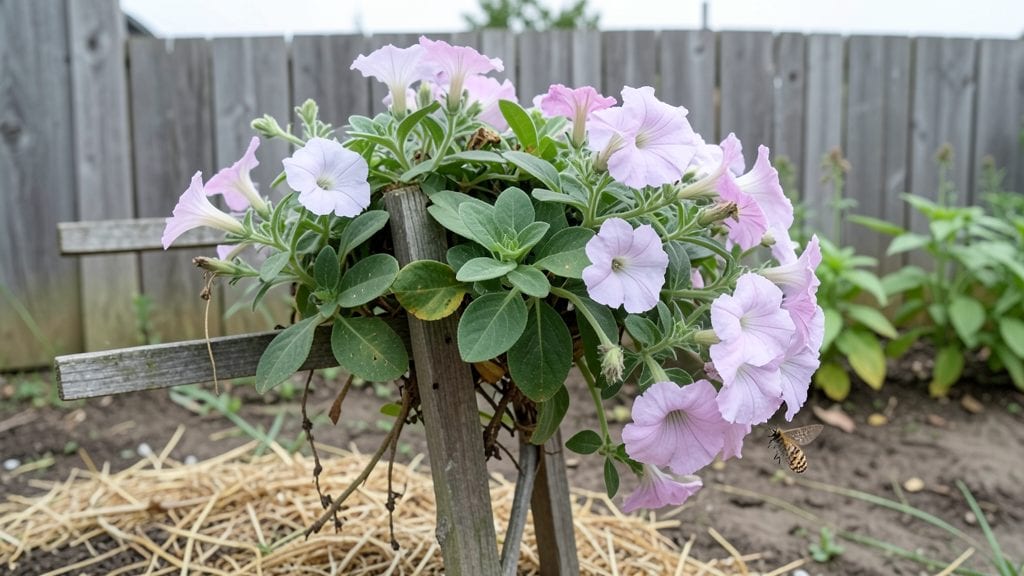
Fragrant petunias plants turn your garden into a living perfume factory. 🌿 I’ve planted them along my patio edge, and the sweet, honeyed scent lingers even after sunset—perfect for evening gatherings.
These aren’t just pretty faces; they’re a pollinator magnet too, drawing bees and butterflies while filling the air with fragrance from spring until frost.
The secret to their magic lies in placement. Tuck them near seating areas, along walkways, or in containers where you’ll brush past their blooms. Pair them with lavender for a calming herbal blend or alongside sweet alyssum for extra sweetness.
Their trailing varieties spill beautifully over planters, creating a fragrant curtain that sways in the breeze.
You’ll notice the difference immediately—gardens with fragrant petunias feel alive in a way that plain flowers never do. The scent intensifies on warm evenings, making your outdoor space irresistible after dark. Plus, their long bloom time means you won’t need to replace them midseason like some annuals.
Works in full sun or partial shade, though scent peaks with more sunlight. For maximum impact, mix varieties—some release fragrance at dawn, others at dusk. Here’s how to weave them into your design without overpowering other plants.
📚 In This Guide
- What you need
- Instructions
- Tips and common mistakes
- Wrapping up and next steps
What you need
- ● Fragrant petunia seeds or seedlings: Choose varieties like 'Mitchell Diploid' or 'Madness' for their sweet, intoxicating fragrance. (10–20 plants, depending on garden size.)
- ● Well-draining potting mix: 5–10 gallons of organic, peat-free mix (e.g., Miracle-Gro Potting Mix or homemade blend: 60% peat moss, 30% perlite, 10% compost).
- ● Containers or garden beds: For containers: 12–16" pots with drainage holes (1–2 plants per container).
- ● For in-ground planting: Full sun (6+ hours/day) with loose, fertile soil.
- ● Slow-release fertilizer: 10–15 lb. bag (e.g., Osmocote Smart-Release Plant Food for 3–4 months of nutrients).
- ● Watering can or hose with gentle nozzle: For deep, even watering (avoid wetting leaves to prevent mildew).
- ● Pruning shears: Sharp, clean pair for deadheading and shaping.
- ○ Mulch (optional but recommended): 2–3 inches of shredded bark or straw to retain moisture and suppress weeds.
- ● Pollinator-friendly companions: Plant near basil, marigolds, or lavender to attract bees and butterflies.
- ● Epsom salt: 1 tbsp. per gallon of water (monthly foliar spray for magnesium boost).
- ● Support stakes or cages: For trailing varieties (e.g., 'Wave' petunias).
- ● Garden gloves: To protect hands while handling soil or thorny stems.
Step-by-Step guide to growing fragrant petunias for pollinators
Here's how I create a fragrant, buzzing garden that keeps bees and butterflies visiting all season.
🌱 Step 1: Choose the Right Varieties and Planting Time
Fragrant petunias like 'Mitchell Diploid' or 'Sweet Fragrance' release their scent best in morning sunlight. I plant mine after the last frost when soil reaches 60°F—usually mid to late spring. These varieties thrive in full sun, so pick a spot that gets at least 6-8 hours daily.
Dig a hole twice as wide as the root ball but only as deep. This encourages roots to spread outward rather than sink too deep. Gently loosen the roots if they're circling in the container—petunias hate root-bound stress. I always add a handful of compost to the planting hole to give them a nutrient boost right away.
☀️ Step 2: Prepare Soil and Position for Maximum Fragrance
Fragrant petunias need well-draining soil that's rich in organic matter. Mix the garden soil with 2-3 inches of compost and a sprinkle of slow-release fertilizer before planting. Work it into the top 6 inches of soil—this ensures roots have access to nutrients without burning tender growth.
Position plants 12-18 inches apart in rows 18-24 inches apart to allow airflow and prevent disease. I plant mine in clusters of three around seating areas or near pathways so you can brush past the blooms and release their fragrance. Water deeply right after planting to settle the soil and remove air pockets around roots.
💧 Step 3: Water and Fertilize for Continuous Blooms
Water petunias at the base in the morning to reduce evaporation and fungal risks. Aim for 1 inch of water weekly, but check the soil—if the top 1 inch feels dry, it's time to water again. I use a soaker hose to keep leaves dry, which prevents powdery mildew that can dull their fragrance.
Feed every 2-3 weeks with a balanced liquid fertilizer (10-10-10) during the growing season. This keeps blooms abundant and scent strong. Stop fertilizing after 6 weeks of flowering to encourage rest before winter. Deadhead spent blooms regularly—this redirects energy to new flowers and maintains that sweet, intoxicating aroma.
✂️ Step 4: Prune and Maintain for Year-Long Fragrance
Pinch back leggy stems in early summer to encourage bushier growth. I cut just above a leaf node with clean, sharp shears—this prevents tearing and disease. Prune again after blooming slows in late summer to tidy up the plant and remove any brown or diseased leaves.
Mulch with 2-3 inches of organic mulch around the base to retain moisture and regulate soil temperature. This also suppresses weeds that compete with petunias for nutrients. In fall, cut back plants to 6 inches tall and add a final dose of compost before winter. Many fragrant varieties return year after year with proper care.
🪴 Step 5: Extend the Season with Containers (Optional)
For a longer display, plant fragrant petunias in 10-12 inch containers with drainage holes. Use a mix of potting soil and perlite for lightweight drainage. Place containers in full sun and water when the top 1 inch of soil feels dry. Move pots indoors before 32°F to overwinter, then replant next spring.
Group containers near patios or entryways to maximize fragrance when breezes carry the scent. I add a few trailing varieties like 'Supertunia' to spill over edges—this creates a fragrant curtain that pollinators can't resist. With this setup, you'll enjoy blooms from early summer until frost.
Tips & tricks for perfect fragrant petunias
A few simple strategies will transform your garden into a fragrant paradise that pollinators can't resist.
The Planting Secret: When planting in Step 1, don't be tempted to bury petunias too deep—they prefer to sit just below soil level. The top of the root ball should be level with the ground. This prevents stem rot while encouraging strong root development. I've seen petunias planted too deep struggle to establish properly, so take that extra moment to get it right.
Soil Mix Matters: In Step 2, the 2-3 inches of compost isn't just about nutrients—it's about creating that perfect well-draining environment. If your garden soil is particularly dense, mix in some perlite or coarse sand to improve drainage. This prevents waterlogging that can lead to root rot, especially in those hot summer months when we're aiming for 6-8 hours of sun.
Watering Wisdom: The 1-inch weekly watering guideline in Step 3 works best when you water deeply and infrequently. I've found that shallow, frequent watering encourages weak root growth. Use your finger to check soil moisture—if the top inch feels dry, that's your cue. Watering in the morning gives plants time to dry out during the day, reducing fungal risks that can mute their fragrance.
Fertilizer Timing: That 2-3 week feeding schedule in Step 3 is crucial, but here's what nobody tells you—feed in the morning when plants are actively growing. The 10-10-10 fertilizer should be diluted to half-strength to prevent burning tender petunia roots. After those 6 weeks of flowering, the rest period helps plants store energy for next season's blooms.
Pro Tips for Fragrant Petunias Plants
- A few simple strategies will transform your garden into a fragrant paradise that pollinators can't resist.
- The Planting Secret: When planting in Step 1, don't be tempted to bury petunias too deep—they prefer to sit just below soil level.
- Soil Mix Matters: In Step 2, the 2-3 inches of compost isn't just about nutrients—it's about creating that perfect well-draining environment.
Frequently asked questions
How often should I water fragrant petunias?
Fragrant petunias thrive with consistent moisture—water them when the top inch of soil feels dry (usually every 1–2 days in hot weather). Pro tip: Mulch around the base to retain moisture and prevent soil-borne diseases. Avoid soggy roots, though—ensure pots or beds have good drainage!
When is the best time to plant fragrant petunias?
For longest blooms and fragrance, plant after the last frost (when soil temps hit at least 50°F). Start seeds indoors 8–10 weeks before, or buy transplants in spring. Bonus: In warm climates, you can plant as early as February! Just protect young plants from chilly nights with row covers.
Do fragrant petunias attract bees and butterflies?
Their bright blooms and heady scent make them a magnet for pollinators. Plant them near other nectar-rich flowers (like lavender or marigolds) to create a buzzing, fragrant "pollinator party." Just avoid hybrid varieties bred only for fragrance—they may skip the nectar!
Why aren’t my fragrant petunias blooming?
Overly lush foliage at the expense of flowers? Deadhead spent blooms regularly to encourage new growth. Check for:
- Too much shade (they need 6+ hours of sun daily).
- Over-fertilizing with nitrogen (use a balanced 10-10-10 or bloom booster instead).
- Root-bound pots (repot if roots circle the container).
What’s a great companion plant for fragrant petunias?
Pair them with complementary fragrances and textures! Try:
Lavender
Calming scent + drought tolerance
Sweet Alyssum
Honey-like fragrance + attracts hoverflies
Salvia
Purple spikes + repels pests
Pro tip: Avoid planting near mint or sage—their strong roots can outcompete petunias!
Wrapping up and next steps
Fragrant petunias aren’t just pretty—they’re a pollinator powerhouse that fills your garden with intoxicating scents all season long! 🌸 From their easy-care nature to their ability to attract bees and butterflies, these plants are a must-have for any gardener.
With the right soil, sunlight, and a little TLC, you’ll enjoy blooms that and smell stunning.
Ready to transform your garden? Start small—plant a few fragrant varieties in pots or garden beds, and watch your outdoor space come alive with color, fragrance, and buzzing visitors. Happy gardening! 🌿