
Shrubs
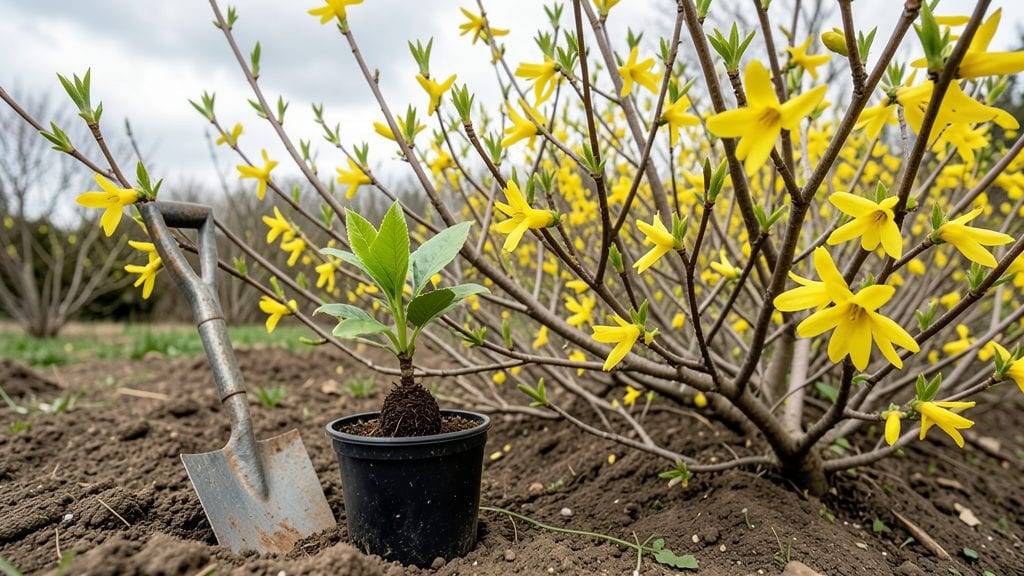
The right forsythia planting distance—6 to 8 feet apart—ensures they bask in sunlight, burst into golden-yellow blooms, and thrive as lush, multi-stemmed shrubs. I learned this the hard way when my first two plants grew into a tangled mess, blocking each other’s sunlight and producing half the flowers I expected.
Sunlight is everything for forsythia—full sun (6+ hours daily) is non-negotiable, and proper spacing ensures every branch gets its share. Well-drained soil (they hate soggy roots) and a slightly acidic pH (6.0-7.0) will keep them thriving, but even the best soil won’t fix poor spacing.
Think of it like giving each plant its own sunny corner of the garden, where they can grow wide and bushy without crowding.
With the right distance, you’ll get vibrant blooms for weeks and a natural, layered look that’s perfect for hedges, borders, or even as a standalone statement plant.
The key is patience—forsythia grows 2-3 feet per year, so give them room to mature into the sturdy, flowering shrubs they’re meant to be. Once established, they’re low-maintenance and drought-tolerant, making them a gardener’s dream.
For best results, pair them with companion plants like dwarf conifers or spring bulbs that won’t outcompete their sunlight. If you’re planting multiple bushes, arrange them in odd-numbered groups (3, 5, or 7) for a natural, balanced look.
Now, let’s get those roots in the ground—and those blooms ready for next spring!
📚 In This Guide
- What you need
- Instructions
- Tips and common mistakes
- Wrapping up and next steps
What you need
- ● Forsythia plants: Choose healthy, bare-root or container-grown shrubs (3-6 feet tall, depending on variety). Aim for 3-6 plants for a small hedge or 6+ plants for a larger border.
- ● Shovel or trowel: A garden shovel for digging holes (12-18 inches deep) and a hand trowel for delicate root adjustments.
- ● Measuring tape or ruler: Essential for maintaining forsythia planting distance (typically 6-10 feet apart for mature size, but adjust for dwarf varieties).
- ● Compost or well-aged manure: 5-10 gallons per plant to enrich the soil and promote root growth.
- ○ Mulch (optional but recommended): 2-3 inches of organic mulch (e.g., shredded bark or straw) to retain moisture and suppress weeds.
- ● Garden gloves: Protect your hands from thorns (some forsythia varieties have them!) and rough soil.
- ● Watering can or hose with a gentle spray nozzle: Forsythia loves moisture, especially during the first year. Aim for 1-2 inches of water per week.
- ● Pruning shears: For trimming any damaged branches post-planting or shaping your shrub in the future.
- ○ Soil pH test kit (optional): Forsythia prefers slightly acidic to neutral soil (pH 6.0-7.0). Test your soil to adjust with lime or sulfur if needed.
- ○ Stakes and twine (optional): Useful for young or top-heavy plants in windy areas to provide temporary support.
Instructions for planting forsythia with perfect spacing for abundant blooms
Here’s how to position your forsythia for maximum sunlight exposure and future growth—no guesswork involved.
Determine Optimal Planting Distance Based on Mature Size
Forsythia varieties differ in mature height and spread, so check your specific cultivar’s growth range. Dwarf types like Forsythia giraldiana stay compact at 4-6 feet tall and wide, while standard varieties like Forsythia × intermedia reach 8-12 feet tall and 6-10 feet wide. Plant dwarf forsythia 6-8 feet apart, while standard varieties need 10-15 feet of space between plants.
This spacing prevents overcrowding, which leads to weak stems, fewer blooms, and increased disease risk. If planting near a fence or wall, maintain at least 5 feet of clearance to allow airflow and sunlight penetration to inner branches. I always sketch a rough layout first—trust me, it saves headaches later when branches start competing for light.
Prepare the Planting Site with Full Sun Exposure
Forsythia thrives in full sun (6-8 hours daily), so choose a location with unobstructed southern or western exposure. Avoid planting where trees or structures will cast shade later—forsythia blooms best when it gets consistent sunlight. Dig holes twice as wide as the root ball but only as deep as the container the plant arrived in.
Amend the native soil with 2-3 inches of compost mixed into the bottom of the hole to improve drainage and provide nutrients. Forsythia tolerates a range of soil types but performs best in well-draining, slightly acidic to neutral soil (pH 6.0-7.0). If your soil is heavy clay, add a shovelful of sand or perlite to the backfill mix to prevent root rot.
Plant at the Correct Depth and Stake for Support
Place the forsythia in the hole so the top of the root ball sits level with the surrounding soil—never bury the stem deeper than it was in the container. Backfill with native soil mixed with compost, tamping gently to remove air pockets. Water deeply to settle the soil and eliminate gaps around the roots. For newly planted forsythia over 5 feet tall, insert a 2-inch-wide stake beside the plant and secure it loosely with soft plant ties to prevent wind damage.
Forsythia has a strong root system, but young plants benefit from temporary support, especially in exposed or windy locations. Avoid over-tightening the ties—they should allow the plant to sway slightly in the breeze. Mulch the base with 2-3 inches of organic mulch, keeping it 6 inches away from the stem to prevent rot. This layer retains moisture and regulates soil temperature while suppressing weeds.
Space Multiple Plants for a Natural, Layered Look
For a visually striking display, plant forsythia in odd-numbered groupings (3, 5, or 7 plants) rather than straight lines. Stagger plants at varying distances—some 8 feet apart, others 12 feet—to create depth and mimic a natural woodland edge. If planting along a property line or fence, place the first plant 5-6 feet from the barrier and space subsequent plants 10-12 feet apart to allow sunlight to reach all stems.
Here’s the thing—forsythia’s bright yellow blooms pop best when they’re not competing for light. If you plant too closely, the inner branches will produce fewer flowers and may develop fungal issues from poor airflow. After planting, water deeply once a week for the first month to encourage root establishment, then taper to every 2-3 weeks once established, depending on rainfall.
Prune Strategically to Maintain Shape and Bloom Production
Forsythia blooms on old wood, meaning last year’s growth produces this year’s flowers. Prune immediately after flowering (late spring) to shape the plant and remove dead, crossing, or weak branches. Never prune in fall or winter—you’ll cut off next year’s blooms. For mature plants, thin out 10-20% of the oldest stems at the base annually to rejuvenate growth and improve airflow.
If your forsythia grows leggy or sparse, it’s a sign of overcrowding or insufficient sunlight. In this case, consider transplanting one of the nearby plants to a sunnier location or thinning the hedge by removing entire stems. Forsythia responds well to pruning, so don’t fear shaping it—just time it right. With proper spacing and care, you’ll have a vibrant, bushy display of golden blooms for decades.**
Tips & tricks for perfect forsythia planting distance
These game-changing insights will transform your forsythia from a modest shrub into a vibrant, blooming powerhouse—no more guessing games about spacing or sunlight.
Cultivar-Specific Spacing Matters: The 6-8 feet spacing for dwarf varieties and 10-15 feet for standard types isn't arbitrary—it accounts for how each cultivar's mature size affects sunlight penetration. I've seen gardeners cram standard forsythia too close, only to watch their center branches produce sparse blooms. Measure your plants' mature width on the tag before digging—this single step prevents years of disappointment. The key is visualizing how branches will spread at maturity, not just how they look now.
Sunlight Mapping is Non-Negotiable: That 6-8 hours of daily sun requirement in Step 2 means you need to track your yard's sunlight patterns. I recommend marking your planting area with stakes at different times of day to observe where shadows fall. Southern exposures get the most consistent light, but western spots work too—just avoid northern exposures entirely. Pro tip: If you're planting near a tall structure, test the shade pattern for at least a week before committing to a location. Forsythia won't tolerate even partial shade if you want that showstopping bloom.
Soil Preparation Prevents Future Headaches: The 2-3 inches of compost recommendation in Step 2 isn't just about nutrients—it's about creating the perfect drainage environment. I've seen forsythia plants struggle in heavy clay because water pools around roots, leading to rot. If your soil tests show pH below 6.0, add elemental sulfur to adjust it gradually. And here's what nobody tells you: Mix a handful of mycorrhizal fungi into your planting hole—this invisible helper boosts root development by up to 30% in the first growing season.
Pruning Timing is Everything: The late spring pruning window in Step 5 exists because forsythia sets next year's flower buds on current season's growth. I've made the mistake of pruning too late and ended up with bare stems the following spring. Mark your calendar for right after the yellow blooms fade—this is your one chance each year to shape the plant without sacrificing next year's display. And when thinning those 10-20% of oldest stems, cut them at the base rather than making partial cuts—this encourages vigorous new growth from the roots.
Pro Tips for Forsythia Planting Distance
- These game-changing insights will transform your forsythia from a modest shrub into a vibrant, blooming powerhouse—no more guessing games about spacing or sunlight.
- Cultivar-Specific Spacing Matters: The 6-8 feet spacing for dwarf varieties and 10-15 feet for standard types isn't arbitrary—it accounts for how each cultivar's mature size affects sunlight penetration.
- Sunlight Mapping is Non-Negotiable: That 6-8 hours of daily sun requirement in Step 2 means you need to track your yard's sunlight patterns.
Frequently asked questions
Got questions about spacing your forsythia just right? You’re not alone! Here are some of the most common concerns—and their answers—to help you plant with confidence.
How close can I plant forsythia bushes together?
For optimal airflow and growth, space Forsythia bushes 3 to 6 feet apart (depending on the variety). Dwarf types (like ‘Little Gold’) can handle 3 feet, while standard varieties thrive with 5–6 feet of room. Crowding leads to poor blooms and disease risks—so don’t skimp on space!
When is the best time to plant forsythia for proper spacing?
Plant in early spring or fall when the soil is workable but not frozen. This gives roots time to establish before extreme weather. Avoid summer heat or winter cold, which stress young plants. Pro tip: Water deeply after planting to encourage root spread!
Can I plant forsythia too close to my house or fence?
Keep forsythia at least 3–5 feet from structures to prevent root competition and moisture buildup. If planting near a fence, leave 6+ feet for larger varieties. Over time, their sprawling growth can block sunlight or damage foundations—so plan ahead!
What if my forsythia isn’t blooming well—did I space them wrong?
Poor blooms often stem from overcrowding, poor sunlight, or wrong soil. Check spacing first—then ensure they get 6+ hours of sun and well-draining soil. Prune in late winter to encourage new growth. If issues persist, consider transplanting or adding compost.
Are there alternatives to forsythia with similar spacing needs?
If forsythia isn’t your style, try deutzia (4–6 ft apart), mock orange (5–8 ft), or weigela (3–5 ft). These shrubs offer vibrant blooms and similar care needs. Just match their mature size to your landscape goals!
Wrapping up and next steps
Planting forsythia with the right spacing—3 to 6 feet apart—sets the stage for vibrant blooms and a thriving shrub. Whether you’re lining a fence, adding color to a border, or creating a natural privacy screen, proper distance ensures airflow, sunlight access, and room to grow without competition. 🌸
Ready to transform your garden? Grab your gloves, mark those spots, and get planting—your future springtime display is just a few inches away! Next up: Choose the perfect companion plants to make your forsythia shine even brighter.