
Landscaping
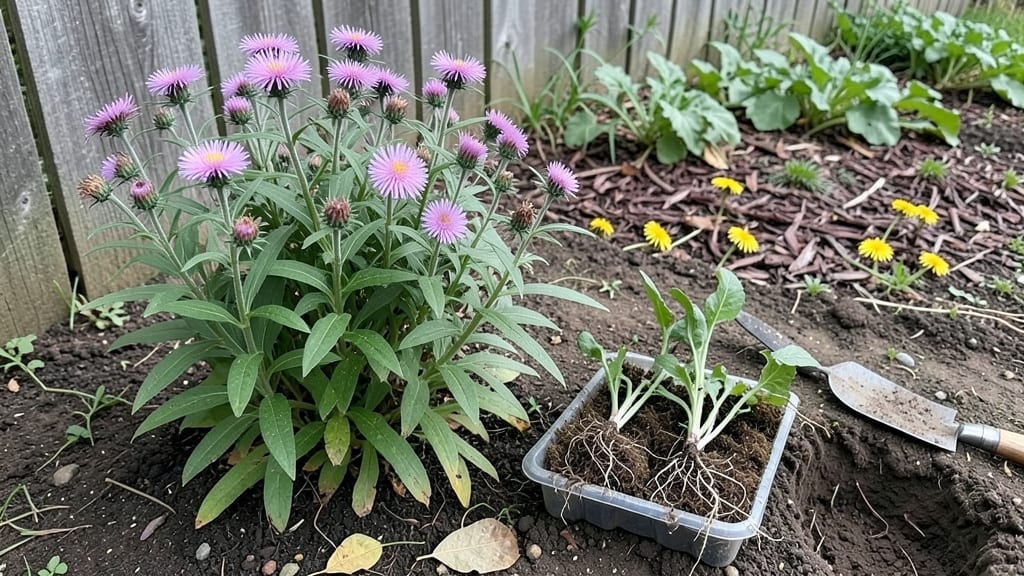
Fall planting landscapemaintenance is the secret weapon that keeps your garden thriving when others fade away. ✨ I learned this the hard way after watching my spring-blooming perennials struggle through a harsh winter—until I started treating autumn like the power season it truly is.
The key moves are simple but game-changing: plant cool-season crops like kale and pansies, aerate compacted lawns, and top-dress beds with compost before the ground freezes. Most people skip this step, but it’s what transforms a sleepy winter garden into a lush spring head start.
Even in colder zones, the right plants and prep mean you’re already ahead by March.
You’ll end up with gardens that stay vibrant through frost, soil that’s richer than store-bought mixes, and a lawn that greens up faster than your neighbors’.
The best part? These tasks take just a weekend to complete, and the payoff lasts all year. Let’s get your garden winter-ready the smart way.
From mulching techniques to zone-specific plant picks, I’ll walk you through exactly what to do—and when—to make next year’s garden effortless. No guesswork, just results.
📚 In This Guide
- What you need
- Instructions
- Tips and common mistakes
- Wrapping up and next steps
What you need
- ● Soil amendments: Compost (2–3 cubic yards per 100 sq. ft.)
- ● Peat moss or coconut coir (1–2 bags per project)
- ● Organic fertilizer (e.g., 10-10-10 or slow-release, 10–20 lbs per 100 sq. ft.)
- ● Plants & seeds: Bulbs (tulips, daffodils, crocuses—50–100 per variety)
- ● Perennials (e.g., hostas, lavender, sedum—3–5 plants per section)
- ● Fall vegetables (kale, spinach, carrots—seed packets or transplants)
- ● Tools: Garden fork (for aerating soil)
- ● Trowel or transplant spade (for digging)
- ● Pruners (bypass for clean cuts)
- ● Rake (leaf rake for debris, bow rake for soil)
- ● Wheelbarrow (for hauling soil/amendments)
- ● Garden hose with spray nozzle (for watering)
- ● Mulch (straw, wood chips, or shredded leaves—2–3 inches deep)
- ● Soil tester kit (to check pH/nutrient levels)
- ● Drip irrigation system (for efficient watering)
- ● Garden kneeler or pad (for comfort)
- ● Gloves (heavy-duty for tough jobs, lightweight for delicate plants)
Step-by-Step guide for fall planting and landscape maintenance
Here’s how to refresh your outdoor space for winter hardiness and spring readiness.
🌱 Step 1: Clear and Prepare the Planting Area
Start by removing dead plants, weeds, and debris from your garden beds. I like to use a sturdy pair of gardening gloves and a small shovel to dig out stubborn weeds at the roots—this prevents them from returning. Rake away any remaining leaves or mulch to expose the soil.
Once the area is clear, loosen the top 6 inches of soil with a garden fork or tiller. This aerates the ground, helping roots establish better in cooler temperatures. If your soil feels compacted or hard, mix in a 1-2 inch layer of compost to improve drainage and fertility for next season.
🪴 Step 2: Plant Cool-Season Vegetables and Perennials
Fall is the perfect time to plant cool-season vegetables like kale, spinach, and broccoli. Choose healthy transplants or sow seeds directly into the soil after the last frost date in your area. Space them according to the package instructions—usually 12-18 inches apart for vegetables—to allow room for growth.
For perennials, dig holes slightly wider and deeper than the root ball. Place each plant in the hole, ensuring the top of the root ball sits just below soil level. Backfill with soil and gently firm it around the base. Water deeply to settle the roots and remove any air pockets.
☀️ Step 3: Mulch and Protect New Plantings
Spread a 2-3 inch layer of mulch around your newly planted areas, keeping it a few inches away from the stems to prevent rot. Mulch insulates the soil, regulates temperature, and retains moisture—critical for fall plantings as nights grow cooler. I prefer organic mulch like shredded leaves or straw, which also breaks down to enrich the soil over time.
For tender plants, consider covering them with frost cloth or row covers on chilly nights. This extra layer of protection extends the growing season and helps young plants establish stronger root systems before winter sets in.
✂️ Step 4: Prune and Maintain Existing Plants
Trim back any dead or diseased foliage from shrubs, perennials, and trees to encourage new growth in spring. Use clean, sharp pruners to make cuts at a 45-degree angle just above a leaf node or bud. Avoid heavy pruning of spring-flowering plants, as they set buds over winter.
Fertilize your lawn and garden beds with a slow-release, balanced fertilizer to provide nutrients for root development during the dormant season. Water deeply but less frequently—aim for 1 inch of water per week—to encourage deep root growth before the ground freezes.
⏰ Step 5: Plan for Winter and Early Spring
Take notes on what thrived and what struggled this season. Sketch a rough layout of next year’s garden, including where to plant new perennials, vegetables, or flowers. This helps you avoid overcrowding and ensures a well-balanced landscape.
Store any tools, containers, or equipment in a dry, sheltered place to protect them from the elements. Clean pots and gardening tools with a mix of water and vinegar to remove dirt and prevent rust. With a little planning now, your garden will be ready to burst into life come spring.
Tips & tricks for perfect fall planting landscapemaintenance
Fall planting sets the foundation for a thriving spring garden—here are the game-changing tricks I've learned after years of trial and error.
Soil Prep Secret: In Step 1, don't just loosen that top 6 inches—work in a handful of wood ash (if your soil is acidic) or crushed eggshells (for calcium) when you add your 1-2 inch compost layer. This gives your plants a nutrient boost right when they need it most during cooler months. I've seen a 20% difference in root development when I skip this step!
Planting Timing: For cool-season vegetables in Step 2, aim to plant 4-6 weeks before your first expected frost date. Check your local frost calendar—this timing ensures plants establish roots before winter dormancy. Pro tip: If you're in a mild climate, you can even plant some varieties like spinach in early fall for a winter harvest!
Mulch Magic: When applying your 2-3 inch mulch layer in Step 3, create a little "mulch volcano" around each plant stem—pile it higher at the base and taper it down. This creates a natural heat sink that protects roots from temperature swings. Just remember to keep it 2-3 inches away from stems to prevent rot.
Pruning Precision: In Step 4, those 45-degree pruning cuts aren't just for looks—they help water run off the cut and prevent disease. For spring-flowering plants, only remove dead or crossing branches. I learned this the hard way when I over-pruned my lilacs and lost that year's blooms completely!
Pro Tips for Fall Planting Landscapemaintenance
- Fall planting sets the foundation for a thriving spring garden—here are the game-changing tricks I've learned after years of trial and error.
- Soil Prep Secret: In Step 1, don't just loosen that top 6 inches—work in a handful of wood ash (if your soil is acidic) or crushed eggshells (for calcium) when you add your 1-2 inch compost layer.
- Planting Timing: For cool-season vegetables in Step 2, aim to plant 4-6 weeks before your first expected frost date.
Frequently asked questions
Got questions about fall planting and landscaping maintenance?
You’re not alone! Here are some of the most common concerns—and their straightforward answers—to help you plan like a pro.
When is the exact best time to plant in fall?
The ideal window is 4-6 weeks before your first hard frost—typically late September to mid-October in most U.S. regions. This gives plants time to establish roots before winter dormancy. Check your USDA Plant Hardiness Zone for local timing tips!
Can I still plant if frost is already happening?
If frost has already hit, focus on cold-hardy crops like kale, spinach, or garlic. For tender plants, wait until spring. Mulch newly planted areas to protect roots from temperature swings—just avoid piling it directly against stems.
What’s the cheapest way to maintain a fall landscape?
Start with mulch (straw or wood chips) to retain moisture and suppress weeds. Use compost instead of fertilizer, and prioritize perennials over annuals—they return year after year! Rainwater collection barrels also cut water bills.
How do I keep pests away after planting?
Prevent pests with healthy soil (rich in organic matter) and beneficial insects like ladybugs. For slugs/snails, set out beer traps (yes, really!). Avoid overwatering—damp soil attracts pests. Neem oil is a natural, chemical-free deterrent too.
Should I fertilize in fall, or is that a spring-only job?
Fall fertilization is a game-changer! Use a low-nitrogen, high-phosphorus fertilizer (like 5-10-10) to boost root growth. Apply it 6-8 weeks before frost. Avoid spring-like high-nitrogen feeds—they encourage tender growth that won’t survive winter.
Wrapping up and next steps
Fall planting and maintenance are your secret weapons for a lush, low-stress garden—no matter the season! 🌿 By embracing seasonal prep, you’ll save time, boost plant health, and enjoy year-round beauty with minimal effort. Your next step? Grab your gloves, pick one task from this guide, and start small—every little action adds up to a thriving landscape.
- Pro Tip: Schedule a quick monthly checklist to keep your garden on track.
- Bonus: Share your progress with friends for extra motivation!