
Plants
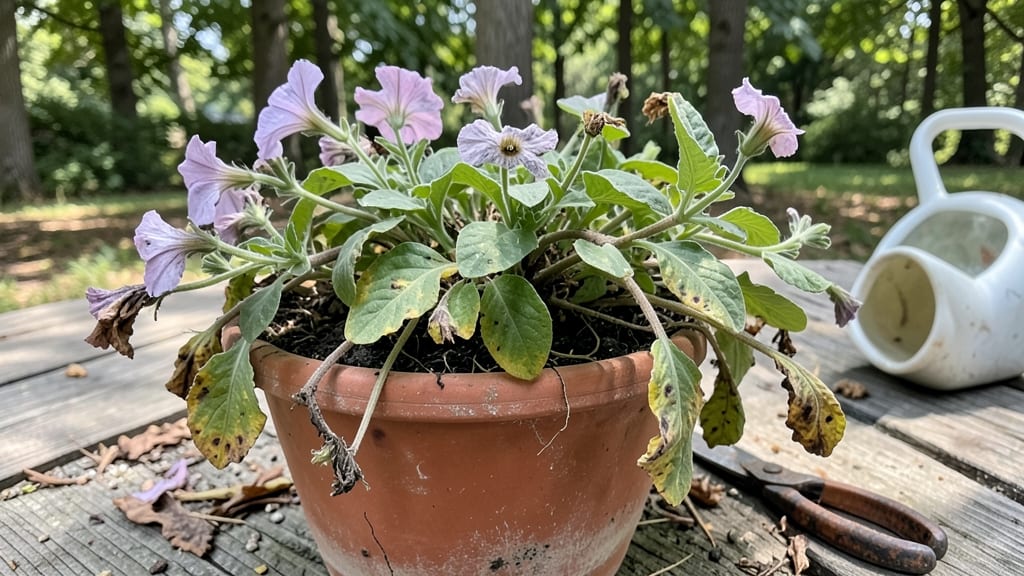
My dying petunias plants looked hopeless—until these three simple trims revived them with surprising ease. 🌿 The secret isn’t complicated: it’s about fixing what’s wrong at the roots (literally) before the whole plant gives up.
I’ve had petunias wilt from overwatering, pest attacks, and even hidden nutrient starvation, and each time, a little targeted care turned them around.
Most people assume dying petunias mean the plant is doomed, but that’s rarely true. The real issue is usually one of three things: too much water, not enough food, or pests hiding in the leaves.
A quick check of the soil moisture, a look for chewed edges or sticky residue, and a trim of dead growth can tell you exactly what’s wrong—and how to fix it in under 10 minutes.
By the end of these steps, your petunias will be standing tall again, with vibrant blooms and lush green leaves. The key is acting fast: once you spot the problem, a little pruning and care can revive even the most wilted plants.
And the best part? These fixes work for both container petunias and in-ground bloomers.
Whether your petunias are struggling in full sun or partial shade, these solutions adapt to your garden’s conditions. Let’s get those blooms back—and keep them thriving for the rest of the season.
Root Causes of Wilted Petunias
Petunias are the stars of summer gardens—vibrant, prolific bloomers that light up borders with color. But when their leaves droop, flowers wilt, or stems turn limp, it’s a clear cry for help. Understanding why your petunias are struggling is the first step to revival.
Below, we break down the most common culprits, backed by science, so you can diagnose and fix the issue before it’s too late.
Petunias thrive on consistency, but too much love—especially in the form of water—can drown their roots. These tropical beauties prefer well-draining soil and moderate moisture. When soil stays soggy for too long, roots suffocate from a lack of oxygen, leading to:
- Root rot: Fungal infections like Phytophthora or Pythium thrive in waterlogged conditions, causing roots to turn brown, mushy, and foul-smelling.
- Nutrient starvation: Excess water flushes out essential nutrients (like nitrogen and potassium) that petunias need to stay perky.
- Stunted growth: Roots can’t absorb water efficiently, leading to wilting even when the soil feels moist.
💡 Pro Tip: Stick your finger 1 inch into the soil—if it’s damp, wait to water. Petunias in containers dry out faster than in-ground plants, so check daily in extreme heat.
Petunias are sun-worshippers, but they’re not fans of intense midday heat or shady neglect. Here’s how sunlight (or lack of it) sabotages their health:
| Problem | Signs | Science Behind It |
|---|---|---|
| Sunburn | Yellowing leaves, crispy edges, or white patches | Excess UV radiation breaks down chlorophyll, causing oxidative stress in leaves. Petunias in full, hot sun (especially in dry climates) suffer from photoinhibition, where light energy damages cells. |
| Leggy, Weak Growth | Stems stretch, leaves pale, fewer blooms | Inadequate light (<6 hours/day) triggers etiolation, where plants elongate stems to reach sunlight, diverting energy from flowers. Chlorophyll production drops, leading to weak, floppy growth. |
🌡️ Fix It: Aim for 6–8 hours of morning sun with afternoon shade in hot zones. Use shade cloth (30–50%) if temps exceed 90°F (32°C).
Petunias are susceptible to pathogens that thrive in damp, crowded conditions. The most common offenders:
- Powdery Mildew (Erysiphe cichoracearum):
- White, powdery coating on leaves
- Causes: High humidity + poor airflow (e.g., overcrowded pots or rainy seasons)
- Impact: Blocks sunlight, reducing photosynthesis by up to 50%.
- Botrytis Blight (Botrytis cinerea):
- Brown, mushy spots on flowers/leaves
- Causes: Wet foliage (watering overhead or morning dew) + cool nights (50–60°F / 10–15°C).
- Impact: Necrosis spreads quickly, killing tissue and stunting growth.
- Bacterial Leaf Spot (Xanthomonas):
- Yellow halos around dark spots on leaves
- Causes: Contaminated water or splashing soil during rain.
- Impact: Clogs stomata (leaf pores), preventing gas exchange and causing wilting.
🔥 Prevention: Space plants 12–18 inches apart for airflow, water at soil level (not leaves), and remove infected foliage immediately. Copper fungicides can help for severe cases.
Petunias are heavy feeders, and poor soil quality can starve them of vital nutrients. Here’s what happens when their diet is off:
| Deficiency | Visual Clues | Why It Happens |
|---|---|---|
| Nitrogen (N) | Yellowing lower leaves, stunted growth | Nitrogen fuels leafy growth. In poor or depleted soil, petunias prioritize survival over blooms, leading to chlorosis (loss of green pigment). |
| Potassium (K) | Brown leaf edges, weak stems | Potassium regulates osmotic balance and disease resistance. Low levels cause membrane breakdown in cells, making plants prone to wilting and rot. |
| Phosphorus (P) | Purple-tinged leaves, slow growth | Phosphorus is critical for energy transfer (ATP production). In compacted or acidic soil (pH <5.5), roots can’t access it, stalling flower development. |
🌱 Solution: Test your soil (ideal pH: 6.0–7.0) and amend with a balanced fertilizer (e.g., 10-10-10) every 2–3 weeks during blooming season. Compost or worm castings improve soil structure for better root access to nutrients.
Tiny invaders can silently drain your petunias’ vitality. The most damaging pests include:
- Spider Mites (Tetranychus urticae):
- Fine webbing on undersides of leaves, stippled yellowing
- Impact: They pierce cells to suck sap, causing 30–50% loss of chlorophyll and stress-induced wilting.
- Aphids (Myzus persicae):
- Sticky residue (honeydew), curled leaves
- Impact: They transmit viruses (e.g., cucumber mosaic virus) and excrete honeydew, which fosters sooty mold, blocking sunlight.
- Caterpillars (e.g.,
Reviving Your Petunias Step by Step
Now that you know the common causes behind your drooping or dying petunias, let’s tackle the fixes—quickly and effectively. Whether your plants are struggling from overwatering, pests, or poor soil, these solutions will help you nurse them back to health.
Below, we’ve mapped out practical fixes for each issue, along with prevention tips to keep your petunias thriving long-term.
Signs: Wilting, yellowing leaves, mushy stems, or dry, crispy foliage.
🔥 Fix It Fast:
- Check the Soil Moisture
- Stick your finger 1–2 inches deep into the soil. If it’s soggy, you’re overwatering. If it’s bone-dry, you’re underwatering.
- Pro Tip: 💡 Use a moisture meter for accuracy—no more guesswork!
- Adjust Your Watering Routine - Overwatered? Let the top 1–2 inches of soil dry out between waterings. Improve drainage by adding perlite or sand to heavy clay soil. - Underwatered? Water deeply once a day (morning is best) until the soil is evenly moist.
Mulch around the base to retain moisture.
- Trim Damaged Foliage
- Snip off yellow or mushy leaves with clean scissors to prevent rot from spreading. Focus on healthy green stems for regrowth.
🌱 Prevention Tips:
- Water at the base, not overhead, to avoid fungal diseases.
- Use self-watering pots or drip irrigation for consistency.
- Ensure pots have drainage holes—never let petunias sit in standing water.
Signs: Holes in leaves, sticky residue (aphids), chewed stems, or tiny webs.
🍳 DIY Pest Control:
- Handpick or Spray Off Soft-Bodied Pests (Aphids, Whiteflies)
- Blast them off with a strong stream of water from a hose.
- Mix 1 tsp dish soap + 1 quart water in a spray bottle and apply early in the morning (avoid direct sun to prevent leaf burn).
- Neem Oil for Stubborn Infestations
- Combine 1 tbsp neem oil + 1 tsp mild soap + 1 quart water. Spray every 5–7 days until pests vanish.
- Pro Tip: 🌡️ Apply neem oil in the evening for best results—it works best when temperatures are cooler.
- Introduce Beneficial Insects
- Ladybugs and lacewings devour aphids. Buy them online or attract them with dill or fennel plants nearby.
🛡️ Prevention Tips:
- Inspect new plants before bringing them home—quarantine for a week if needed.
- Rotate plants occasionally to disrupt pest life cycles.
- Remove fallen leaves where pests hide.
Signs: Bleached or crispy leaf edges, wilting even when soil is moist, slowed growth.
👨🍳 Cool Them Down:
- Provide Afternoon Shade
- Move pots to a shadier spot (e.g., under a patio umbrella or lattice) for 2–4 hours during peak sun (12–4 PM).
- Use lightweight shade cloth (30–50% coverage) if outdoor shade isn’t an option.
- Mulch Like a Pro
- Spread 2–3 inches of mulch (straw, pine bark, or shredded leaves) around the base to insulate roots and retain moisture.
- Frost Protection (If Applicable)
- In cooler climates, cover plants with frost cloth if temps drop below 50°F (10°C).
🌡️ Prevention Tips:
- Choose heat-tolerant petunia varieties like ‘Supertunia’ or ‘Wave’ for hotter climates.
- Water deeply in the morning to help plants withstand heat stress.
- Avoid fertilizing during extreme heat—it stresses plants further.
Signs: Pale yellow leaves, stunted growth, slow blooming, or purple-tinged foliage (phosphorus deficiency).
🔪 Fertilize the Right Way:
- Test Your Soil
- Use a DIY soil test kit (available at garden centers) to check pH and nutrient levels. Petunias thrive in slightly acidic to neutral soil (6.0–7.0 pH).
- Feed with the Right Mix
- Use a balanced, water-soluble fertilizer (10-10-10 or 20-20-20) every 2 weeks during the growing season (spring–fall).
- For phosphorus boost (encourages blooms), switch to a 5-10-5 or 10-20-10 formula once a month.
- Pro Tip: ✨ Fish emulsion (high in nitrogen) is great for leafy regrowth.
- Repot if Soil is Depleted
- If plants have been in the same pot for over a year, refresh the soil with half old, half new potting mix + compost.
📊 Prevention Tips:
- Pre-plant: Mix compost or slow-release granules into the soil before transplanting.
- Avoid over-fertilizing—it burns roots. Always water first, then fertilize.
- Deadhead spent blooms to encourage more flowers and nutrient focus.
Signs: Roots circling the pot, slow growth, leaves turning yellow despite proper care.
🌱 Repotting or Pruning Roots:
- Check for Root Circling
- Gently remove the plant from its pot and untangle roots if they’re wrapped tightly around the base.
- Repot if Necessary
- Choose a pot 2–3 inches larger in diameter with fresh, well-draining soil.
- Pro Tip: 🎯 Trim 1/3 of the roots if they’re severely tangled to encourage outward growth.
- Prune for Bushier Growth
- Cut back overly leggy stems by 1/3 to promote fuller, bushier plants.
🌱 Prevention Tips:
- Repot every 1–2 years to prevent root binding.
- Use self-watering pots with good aeration to reduce stress.
- Pinch back tips of new growth when plants are young to encourage branching.
Final Reminder: 🌟 Patience is key! Petunias bounce back quickly with the right care. Monitor your plants daily, adjust as needed, and soon you’ll have vibrant blooms that’ll be the envy of the neighborhood. Happy gardening!
Frequently asked questions
Why are my petunia leaves turning yellow despite regular watering?
Yellowing leaves often signal overwatering or nutrient deficiency. Check soil moisture—if it's soggy, reduce watering. Yellowing lower leaves may indicate nitrogen deficiency, while brown edges suggest potassium shortage. Test soil pH (6.0–7.0) and amend with compost or a balanced fertilizer.
Can I save petunias with brown, mushy stems?
Mushy stems usually mean root rot from overwatering or fungal disease. Trim affected stems 1 inch below the damage, repot in fresh, well-draining soil, and reduce watering. For severe cases, treat with a copper fungicide. Keep the plant in bright, indirect light while it recovers.
How do I prevent petunias from getting powdery mildew?
Powdery mildew thrives in humid, crowded conditions. Space plants 12–18 inches apart for airflow, water at soil level (not leaves), and avoid overhead sprinkling. Apply neem oil preventatively every 2 weeks during humid seasons. Remove infected leaves immediately to stop spread.
Is it too late to revive petunias that haven’t bloomed all season?
Not necessarily! Lack of blooms often stems from nutrient deficiency or over-pruning. Feed with a phosphorus-rich fertilizer (like 5-10-5) and deadhead spent blooms to encourage new flowers. If growth is leggy, prune back by 1/3 to promote bushier, more productive plants.
What’s the fastest way to fix wilting petunias in extreme heat?
Move plants to partial shade (2–4 hours daily) and water deeply in the morning. Mulch with 2–3 inches of straw to retain moisture. Avoid fertilizing during heatwaves—it stresses roots further. Choose heat-tolerant varieties like 'Supertunia' for future planting.