
Blooming
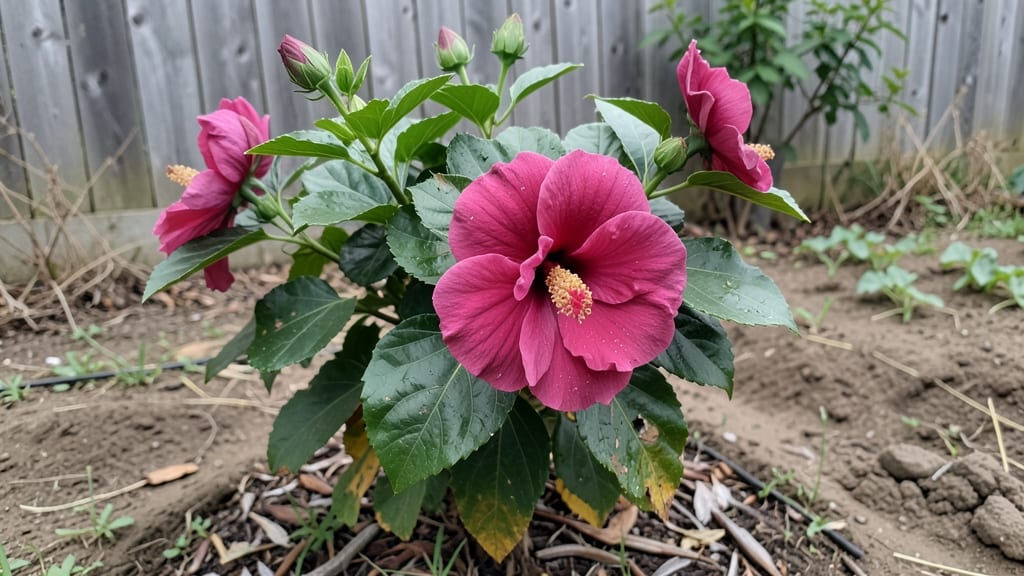
Double bloom hibiscus plants are the showstoppers of any garden, bursting with extra-large, layered petals that make every stem look like a bouquet. 🌸 I’ve grown them for years, and the secret to their nonstop blooms isn’t complicated—it’s about sunlight, water, and a little strategic pruning that keeps them flowering from spring through fall.
Most people assume these plants need constant attention, but the right care turns them into low-maintenance, high-reward stars.
The first step is giving them what they crave: full sun (at least 6 hours daily) and well-draining soil that stays moist but never soggy. Overwatering is the #1 way to kill them, so I use a moisture meter to check before watering again.
Once established, they’re surprisingly drought-tolerant, but young plants need consistent moisture to root deeply. A balanced fertilizer every 4-6 weeks keeps the blooms coming, but don’t overdo it—too much nitrogen means fewer flowers.
Here’s where the magic happens: pruning. Most gardeners cut back too much, but double bloom hibiscus thrive with light shaping—just trim dead or leggy growth in early spring and after major blooming cycles. This encourages new branches that produce even more flowers.
By mid-summer, you’ll have a bush so packed with blooms it looks like a living centerpiece. The key is patience; these plants reward steady care with months of vibrant color without the fuss.
They handle heat and humidity beautifully, making them perfect for zones 7-11, but even in cooler climates, they’ll bloom indoors near a sunny window. The trade-off? They’re sensitive to frost, so container growers can bring them inside for winter.
With the right setup, you’ll have a hibiscus that blooms longer and harder than any single-flower variety—no green thumb required, just consistent basics.
📚 In This Guide
- What you need
- Instructions
- Tips and common mistakes
- Wrapping up and next steps
What you need
- ● Double Bloom Hibiscus Plant: Choose a healthy 1-2 year old plant (or seeds/cuttings if propagating). Look for vibrant foliage and no signs of pests.
- ● Well-Draining Potting Mix: 5-10 gallons (depending on pot size). A blend of 60% garden soil, 30% perlite or sand, and 10% compost works best.
- ● Container or Garden Bed: For Containers: 5-gallon pots (minimum) with drainage holes. Larger pots (10+ gallons) for mature plants.
- ● For Gardens: Full sun (6+ hours/day) and space 4-6 feet apart to allow airflow.
- ● Slow-Release Fertilizer: 10-10-10 NPK ratio (1 tbsp per plant every 2-3 months) or organic options like worm castings.
- ● Pruning Shears: Sharp, sterilized shears (or small bypass pruners) for trimming.
- ○ Optional but Helpful: Mulch (2-3 inches of pine bark or straw to retain moisture).
- ● pH Test Kit (aim for 6.0-6.5; amend soil with sulfur if needed).
- ● Spray Bottle (for misting leaves in dry climates).
- ● Stakes or Trellis (if training vining varieties).
- ● Climate-Specific: Cold Climates: Frost cloth or greenhouse setup for winter.
- ● Hot/Dry Areas: Drip irrigation system or self-watering pots.
Step-by-step instructions for cultivating a double bloom hibiscus plant
Here’s how to coax those lush, repeat-flowering blooms from your hibiscus—no aggressive pruning required.
🌱 Step 1: Select the Right Variety and Planting Site
Choose a tropical hibiscus variety like ‘Dwarf Red’ or ‘Lilac Chiffon’—these are bred for compact growth and prolific double blooms. Plant in well-draining, slightly acidic soil (pH 6.0–6.5) enriched with 2–3 inches of compost mixed into the top 12 inches of soil. Hibiscus roots need oxygen, so avoid heavy clay unless amended.
Site your plant where it gets full sun (6+ hours daily) but with afternoon shade in hot climates—wilting is common when temperatures exceed 90°F. In containers, use a 5-gallon pot with drainage holes for better root aeration. Mulch with 2 inches of pine bark to retain moisture and regulate soil temperature.
☀️ Step 2: Water Deeply and Fertilize for Continuous Blooms
Water deeply 2–3 times weekly during active growth, ensuring moisture reaches 6 inches down—surface watering encourages shallow roots. Let the top 1–2 inches of soil dry between waterings to prevent root rot, but never let the plant wilt. Hibiscus is thirsty but hates soggy feet.
Feed every 2–3 weeks with a balanced liquid fertilizer (10-10-10) during spring and summer, then switch to a low-nitrogen, high-phosphorus formula (5-10-10) in late summer to promote flowering. Stop fertilizing in fall—this signals the plant to rest. I swear by a slow-release granular fertilizer applied in early spring for steady nutrition.
✂️ Step 3: Prune Strategically for Double Blooms
Prune only to shape, never to cut back hard. Remove dead or yellowing leaves and spent blooms by cutting just above a leaf node—this encourages new growth and more flowers. Avoid shearing, which stresses the plant. The key to double blooms is minimal pruning: focus on opening up the center for airflow and light penetration.
In late winter, trim back overly leggy stems by one-third to promote bushier growth. Never prune in fall—this disrupts the plant’s dormancy cycle. Use sterilized pruners to prevent disease spread, and apply a copper fungicide if you notice black spots on leaves.
🌿 Step 4: Protect and Maintain Year-Round
In winter, move potted hibiscus indoors to a bright, cool spot (50–60°F) if temperatures drop below 40°F. Reduce watering to once weekly and stop fertilizing entirely. Watch for spider mites—they love dry indoor air. Wipe leaves with a neem oil solution monthly as a preventative.
Outdoor plants need winter protection if frost is possible. Cover with frost cloth or move to a sheltered patio. Resume regular care in spring when nighttime temps stay above 55°F. Deadhead consistently, and you’ll see nonstop blooms from late spring through fall.
Tips & tricks for perfect double bloom hibiscus care
Here's what nobody tells you about keeping your hibiscus blooming like clockwork without the stress of aggressive pruning.
The Soil Secret: That 2-3 inches of compost in the top 12 inches of soil isn't just decoration—it creates the perfect airy environment hibiscus roots crave. I mix in one part perlite to three parts compost for even better drainage. The key is keeping that soil loose and oxygen-rich, especially in containers where roots can't spread as easily. Think of it like giving your plant's roots a spa treatment.
Watering Wisdom: When I water deeply 2-3 times weekly, I use the "finger test" to check moisture—stick your finger 6 inches down. If it feels dry, that's your cue to water. The top 1-2 inches drying between waterings is crucial, but don't let the plant wilt—hibiscus hates thirst more than it hates soggy feet. I've seen plants recover from overwatering but never from wilting.
Fertilizer Timing: That switch to low-nitrogen, high-phosphorus (5-10-10) in late summer is non-negotiable for double blooms. I actually start transitioning in early August to give the plant time to adjust. The secret weapon? Apply half-strength fertilizer every 2 weeks instead of full strength every 3 weeks—this prevents root burn while keeping those blooms coming.
Pruning Precision: When you're cutting back those leggy stems by one-third in late winter, aim to remove about 3-4 inches from the top. Look for where new growth starts—those leaf nodes are where your plant will send out fresh shoots. I always make cuts at a 45-degree angle just above a leaf node, and I swear by using a fresh razor blade for sterilized cuts. This technique keeps your hibiscus bushy without shocking the plant.
Pro Tips for Double Bloom Hibiscus Plant
- Here's what nobody tells you about keeping your hibiscus blooming like clockwork without the stress of aggressive pruning.
- The Soil Secret: That 2-3 inches of compost in the top 12 inches of soil isn't just decoration—it creates the perfect airy environment hibiscus roots crave.
- Watering Wisdom: When I water deeply 2-3 times weekly, I use the "finger test" to check moisture—stick your finger 6 inches down.
Frequently asked questions
When will my double bloom hibiscus flower for the first time?
A healthy double bloom hibiscus typically starts flowering 6–12 months after planting, depending on growing conditions. Young plants may take longer, while mature, well-cared-for specimens can bloom year-round in warm climates (USDA Zones 9–11). In cooler areas, expect blooms from spring to frost. Patience pays off—consistent watering and sunlight accelerate flowering!
Can double bloom hibiscus survive winter in cold climates?
No, these tropical beauties are not frost-tolerant. In colder zones (< Zone 9), grow them as annuals or overwinter indoors near a sunny window. If you must protect them, wrap the pot in bubble wrap or move them to a garage with light. Alternatively, grow them in containers for easy relocation when temperatures drop below 50°F (10°C).
Why isn’t my double bloom hibiscus blooming?
Common culprits include:
- Insufficient sunlight: Needs 6+ hours of direct sun daily.
- Over-fertilizing with nitrogen: Too much leafy growth = fewer blooms. Use a balanced 10-10-10 or bloom-boosting fertilizer.
- Stress from over/under-watering: Keep soil evenly moist but well-drained.
- Lack of pruning: Trim leggy stems to encourage bushier growth.
How often should I prune a double bloom hibiscus?
Light pruning is key—aim for 2–3 times per year:
- Spring (March–April): Trim dead or weak branches to shape the plant and encourage new growth.
- After flowering (fall): Prune by 1/3 to promote compact growth for next season.
- Year-round: Snip any leggy stems to maintain a bushy form.
Are there dwarf varieties of double bloom hibiscus for small spaces?
Yes! If space is limited, try these compact varieties:
- ‘Dwarf Red’: Grows 3–4 feet tall, perfect for containers.
- ‘Lilacina’: Lavender blooms, 4–5 feet tall.
- ‘Pink Gorilla’: Deep pink flowers, 4–5 feet.
Wrapping up and next steps
The double bloom hibiscus is a stunning, low-maintenance plant that rewards you with year-round color and drama—all while keeping pruning simple! With the right care, you’ll enjoy lush blooms that brighten any garden or container, proving that beauty doesn’t require endless effort.
Ready to dive in? Start by selecting your favorite variety, gather your supplies, and give your hibiscus the love it deserves—your future blooms will thank you!