Companion Plants
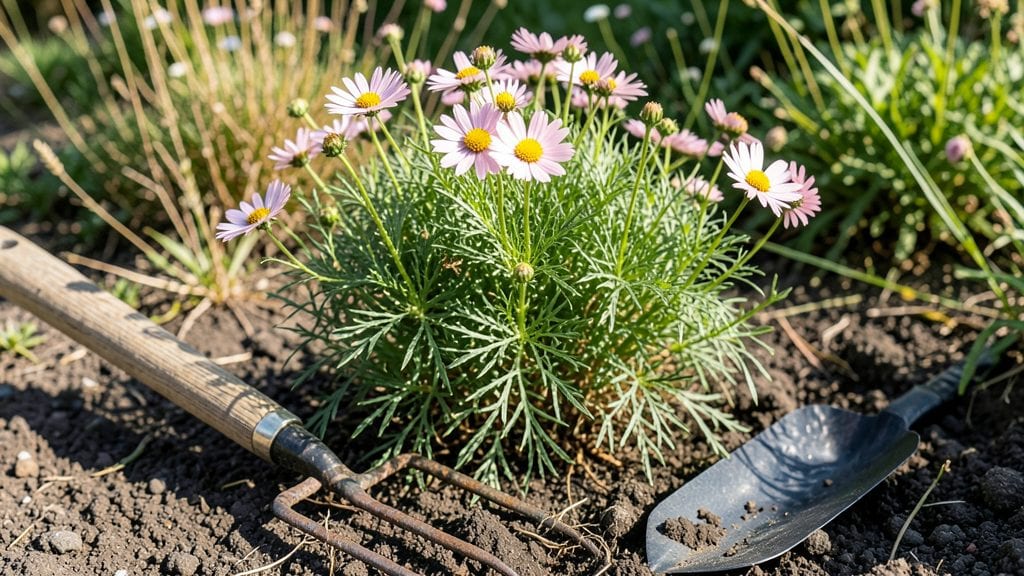
Dividing coreopsis plants in early spring or fall gives you thicker, hardier blooms that last longer—plus, you end up with extra plants to share. 🌻 I’ve split my biggest clumps for years, and every time, the plants bounce back with twice the flowers by midsummer.
The secret isn’t brute strength; it’s timing, sharp tools, and knowing where to cut.
You’ll need a sharp spade or clean pruners, gloves, and a bucket of water to rinse off roots. Work on a dry day when the soil is workable but not bone-dry—this makes the roots easier to see.
Most coreopsis clumps split easily, but stubborn ones might need a little coaxing with a fork. The goal is to divide each section into 3-5 inch stems with a good root ball.
After splitting, replant the divisions 12-18 inches apart in well-draining soil, water deeply, and avoid fertilizing for 4-6 weeks. You’ll see new shoots in about 3 weeks, and by next year, those divisions will be just as vigorous as the original.
The best part? Your garden gets fuller, and you’ve got extra plants for friends—or to fill in bare spots.
Pro tip: If your coreopsis is flowering less each year, dividing is the answer. It’s also the perfect way to revive tired clumps or spread them to new spots. Just don’t wait too long—older plants get woody and harder to split. Now grab those tools and let’s get growing!
📚 In This Guide
- What you need
- Instructions
- Tips and common mistakes
- Wrapping up and next steps
What you need
- ● Sharp garden pruners or clean, sterilized knife – Choose pruners with bypass blades (not anvil-type) to avoid crushing stems.
- ● Garden gloves – Heavy-duty, long-cuffed gloves to protect against thorns and soil-borne pathogens.
- ● Garden fork or trowel – For loosening compacted soil around the clump (use a fork for tough roots).
- ● 5-gallon bucket or wheelbarrow – To collect divided sections and debris.
- ● Hose with nozzle or watering can – For pre- and post-division hydration.
- ○ Compost or well-aged manure – 1–2 gallons per replanted section (optional but recommended).
- ● Mulch (straw or shredded bark) – 1–2 inches thick to retain moisture and suppress weeds.
- ● Rooting hormone – Speeds up establishment for larger divisions (use gel or powder).
- ● Soil test kit – Check pH (ideal: 6.0–7.0) before replanting.
- ● Plant tags or markers – Label varieties if dividing mixed cultivars.
- ● Disinfectant (rubbing alcohol or bleach solution) – Wipe tools between cuts to prevent disease spread.
Step-by-Step instructions for dividing coreopsis plants
Here's how I split coreopsis clumps to keep them blooming bigger and stronger every season.
🪴 Step 1: Choose the Right Time and Tools
Divide coreopsis in early spring before new growth starts or in early fall when plants finish blooming. I always use clean, sharp pruners and a small trowel—dull tools crush stems and slow recovery. Wear gloves too; coreopsis has sharp stems that can irritate skin.
Pick a mild, overcast day to minimize stress on the plants. If you must divide in summer, do it at night when temperatures drop below 75°F to prevent wilting. The goal is to split the clump while roots are still dormant or semi-dormant, so they can establish quickly.
✂️ Step 2: Prepare the Plant for Division
Water the coreopsis deeply 24 hours before dividing—this keeps roots pliable and makes splitting easier. Dig around the entire clump with your trowel, working 4-6 inches deep to loosen the root ball. You'll see the clump naturally divides into 3-5 smaller sections, each with its own set of leaves and roots.
Gently pull the clump apart by hand—don’t force it, or you’ll tear roots. If a section resists, use your pruners to cut through thick roots at a 45-degree angle. Each new division should have at least 3-4 stems and a good network of roots (about 6-8 inches long). Smaller sections struggle to re-establish.
💧 Step 3: Replant the Divisions Immediately
Dig holes for each division twice as wide as the root ball but no deeper. Loosen the soil at the bottom of the hole with your trowel—this helps roots spread quickly. Place the division in the hole so the crown (where stems meet roots) sits just below soil level. Burying it too deep causes rot; leaving it exposed risks drying out.
Fill the hole with soil and water deeply to settle everything. Press the soil lightly around the base to remove air pockets. Space divisions 18-24 inches apart—coreopsis spreads, and crowding leads to weak stems and fewer blooms. Mulch with 1-2 inches of shredded bark to retain moisture and suppress weeds.
☀️ Step 4: Care for Divisions After Planting
Keep newly divided coreopsis well-watered for the first 2 weeks, giving 1 inch of water weekly. You’ll notice new growth in 7-10 days—that’s your sign the plants are recovering. Reduce watering to 1 inch every 10-14 days once established, but mulch helps retain moisture.
Wait until next spring to fertilize—divided plants need time to recover. If you see yellowing leaves, it’s usually from overwatering or poor drainage. Coreopsis thrives in full sun (6+ hours daily) and well-draining soil, so if blooms are sparse, check for shade or soggy soil.
⏰ Step 5: Monitor and Maintain for Long-Term Health
Divided coreopsis should bloom just as vigorously as the parent plant by the second year. Deadhead spent flowers in summer to encourage more blooms, but leave some seed heads for winter interest. In fall, trim back any woody or dead stems to about 4 inches tall—this keeps the plant tidy and promotes fresh growth in spring.
I divide my coreopsis every 2-3 years—this prevents overcrowding and keeps blooms thick and abundant. If you notice the center of the clump dying out, that’s your cue to split again. Coreopsis is tough, so don’t stress if a division looks rough at first—with the right care, it’ll bounce back stronger than ever.
Tips & tricks for perfectly divided coreopsis plants
These simple tricks will help you divide coreopsis like a pro and keep your plants thriving for years.
Timing is Everything: The 24-hour deep watering before dividing is non-negotiable—it makes the roots more flexible and easier to separate. I've learned the hard way that skipping this step means struggling to pull apart stubborn clumps. After watering, give the soil a good soak so it's moist all the way through the root zone. This also helps prevent shock after transplanting.
Root Network Matters: When you're checking your divisions in Step 2, aim for roots that are at least 6-8 inches long. I've seen people try to save tiny rootlets, but those sections often fail to establish. The key is to have a good balance—enough roots to support new growth but not so many that you're left with oversized divisions that crowd each other. Think of it like dividing a pizza—you want equal, manageable pieces!
Crown Placement is Critical: In Step 3, when you're replanting, the crown (where stems meet roots) should sit just below soil level—never buried or exposed. I once buried a division too deeply and lost it to rot within weeks. If you're unsure, hold the division at soil level and check that the top of the root ball is level with the surrounding soil. This simple adjustment makes all the difference in survival rates.
Mulching Strategy: That 1-2 inches of shredded bark mulch isn't just for looks—it's a game-changer for moisture retention and weed suppression. I've found that mulched divisions recover faster and show new growth in just 7-10 days, while unmulched ones can take twice as long. Plus, the mulch helps regulate soil temperature, which is especially helpful if you're dividing in summer when temps rise above 75°F.
Pro Tips for Dividing Coreopsis Plants
- These simple tricks will help you divide coreopsis like a pro and keep your plants thriving for years.
- Timing is Everything: The 24-hour deep watering before dividing is non-negotiable—it makes the roots more flexible and easier to separate.
- Root Network Matters: When you're checking your divisions in Step 2, aim for roots that are at least 6-8 inches long.
Frequently asked questions
Got questions about dividing your coreopsis? You’re not alone! Here are answers to the most common queries to help you tackle this task with confidence.
When is the best time to divide coreopsis plants?
The ideal time to divide coreopsis is in early spring (just as new growth begins) or early fall (before the first frost). Avoid dividing in summer—this can stress the plant and reduce blooming. If you must divide in late summer, water thoroughly afterward to help recovery.
How do I know if my coreopsis needs dividing?
Divide coreopsis when the center of the clump becomes woody, bare, or crowded, with fewer blooms. If you notice stunted growth, yellowing leaves, or a decline in flowers, it’s a sign your plant needs splitting. Healthy coreopsis should have a vibrant green center with steady growth.
Can I divide coreopsis in pots instead of the ground?
Yes! Potted coreopsis can be divided the same way as ground plants. Gently remove the plant from its container, separate the clumps with your hands or a clean knife, and replant the divisions in fresh soil. Just ensure pots have drainage holes and use well-draining potting mix to prevent rot.
What should I do if my divided coreopsis isn’t thriving after replanting?
If your divisions look wilting, yellow, or slow to grow, check for these issues: underwatering, overcrowding, or poor soil drainage. Trim any damaged roots, water deeply, and apply a balanced fertilizer. Keep the soil moist but not soggy for the first few weeks.
Will dividing coreopsis reduce next year’s flowers?
Not if done correctly! While dividing may temporarily slow growth, healthy divisions will rebound with even more blooms the following year. Choose well-established clumps with multiple stems and roots for the best results. Avoid over-dividing—keep at least 3-5 stems per division for strong regrowth.
Wrapping up and next steps
Dividing your coreopsis isn’t just a gardening task—it’s a chance to rejuvenate your plants and enjoy even more vibrant blooms! By splitting clumps every 2-3 years, you’ll keep your coreopsis thriving, prevent overcrowding, and share the love with fellow gardeners.
Whether you’re a seasoned pro or a beginner, the key is patience and timing—spring or early fall is your best bet. 🌸
Ready to transform your garden? Grab your tools, follow the steps, and soon you’ll be rewarded with lush, hardy coreopsis that steals the show. Next up: Watch your divided plants flourish and consider pairing them with complementary perennials for a show-stopping garden display!