Container Gardens
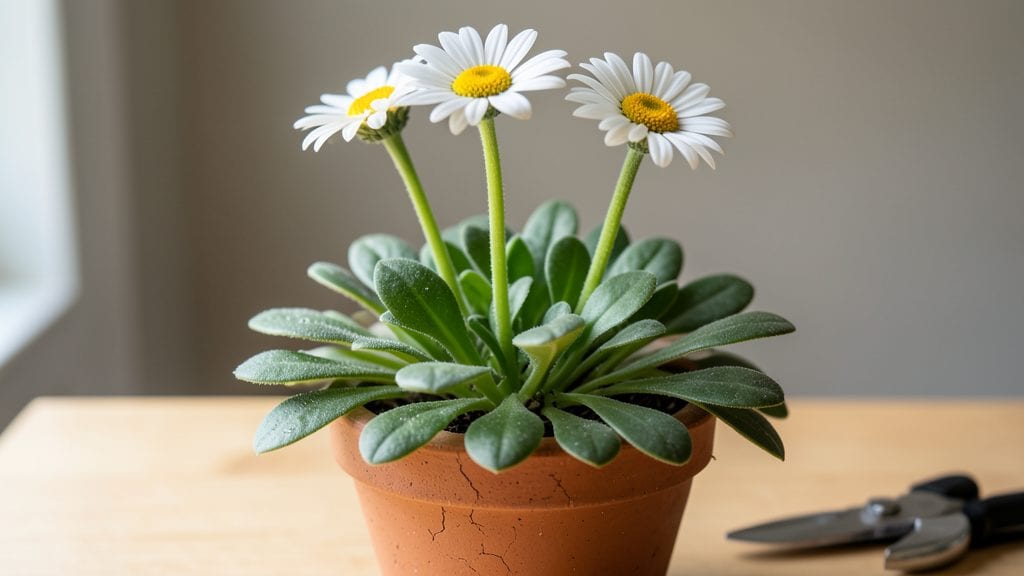
This cheerful daisy indoor plant, the Gerbera, can burst your home with sunshine—but many give up too soon when the blooms fade fast.
Brighten your home with a Gerbera Daisy (Indoor)—but keep it blooming all year? The secret lies in mastering light, water, and soil, three critical factors most gardeners overlook.
These cheerful flowers thrive with bright, indirect light for 4-6 hours daily, a watering routine that avoids soggy soil, and well-draining potting mix. Skip one of these, and you’ll end up with leggy stems and sparse blooms.
In this guide, I’ll walk you through the exact conditions your Gerbera Daisy (Indoor) needs to stay lush and colorful year-round—plus how to troubleshoot common problems before they start.


Daisy indoor plant light requirements: sunlight vs. artificial lighting
Your daisy indoor plant thrives on bright indirect sunlight—just like its outdoor cousins—but indoor lighting tricks can make all the difference. Without proper light, your daisies will stretch toward windows, produce fewer blooms, and lose their vibrant colors.
The key is mimicking 4-6 hours of natural sunlight daily, whether from a sunny window or a well-placed grow light.
Natural sunlight remains the gold standard, but artificial lighting becomes essential during winter months or in low-light homes. LED grow lights are my top recommendation for indoor daisies—they’re energy-efficient, emit minimal heat, and can be adjusted to match your plant’s needs.
The right balance ensures your daisies stay compact, colorful, and blooming year-round.
🌱
Your daisy indoor plant will show you exactly when it’s not getting enough light. Look for stretched stems, small leaves, and pale blooms—these are classic signs of light deficiency.
I’ve seen daisies grow leggy in just a week if moved to a dim corner. Rotate your plant quarter-turns weekly to ensure even growth, especially if using artificial lights.
For artificial lighting, I recommend full-spectrum LED grow lights with a red-blue ratio (60% red, 30% blue, 10% white). Place them 6-12 inches above your daisies and set a 12-14 hour photoperiod to mimic natural daylight.
Brands like GE Flower Bulb or Mars Hydro are budget-friendly and effective for small setups.
💡
If you’re using a south-facing window, your daisy will need morning sun only—afternoon rays can scorch delicate leaves. I’ve found that sheer curtains work best for diffusing light while maintaining brightness.
For north-facing windows, supplement with a small LED clip light (like the GE 100W Equivalent) for 4-6 hours daily.
Pro tip: Monitor your daisy’s leaves—if they develop yellow patches or brown edges, it’s a sign of too much direct light. Adjust placement immediately to prevent stress.
In my experience, Gerbera daisies are more forgiving than Shasta daisies when it comes to light adjustments, but both need consistent conditions.
For year-round blooms, combine natural light with a timer-controlled grow light. I use a smart plug to automate my lights, ensuring my daisies get 14 hours of light during winter.
This simple setup has kept my indoor daisies flowering every 6-8 weeks—far better than the occasional bloom I got with natural light alone.
🌿
Remember, light quality matters more than quantity for indoor daisies. A cool white LED (5000K-6500K) will encourage greener leaves, while a warm white (2700K-3000K) can help with flowering.
Test different setups for a month and observe which produces the most vibrant blooms—your daisy will thank you with bold colors and fuller petals!
Watering schedule for daisy indoor plants: how often & what to avoid
Indoor daisies thrive on a consistent watering routine, but too much or too little can spell disaster. Unlike outdoor plants, your daisy indoor plant relies entirely on you to mimic natural rainfall patterns.
The key is balancing soil moisture without drowning the roots—especially in small pots where drainage is critical.
Most gardeners make the mistake of watering on a fixed schedule without checking soil conditions first. Daisy leaves wilt when thirsty but also droop if overwatered, making it tricky to diagnose. That’s why I always recommend the finger test before watering—stick your finger 1 inch deep into the soil.
Overwatering: Daisy roots rot quickly in soggy soil. Always use pots with drainage holes and avoid saucers filled with standing water.
Underwatering: Wilting stems often mean thirst—but check soil first. Brown, crispy edges signal dehydration, not overwatering.
Inconsistent moisture: Daisies hate dry spells followed by sudden soaking. Aim for even moisture year-round.
Your daisy indoor plant’s water needs shift with the seasons. During spring and summer, when growth is active, water every 5–7 days—more frequently if your home stays dry. In fall and winter, cut back to bi-weekly watering as the plant enters dormancy.
Morning is the best time to water your daisies. This allows excess moisture to evaporate during the day, reducing fungal risks. Avoid evening watering, as damp leaves overnight can attract powdery mildew or botrytis blight—two common daisy killers.
Signs of overwatering include yellowing leaves, mushy stems, and a foul smell from the soil. If you notice these, let the soil dry out completely before watering again. For underwatering, look for dry, crispy leaf edges and a pot that feels light when lifted.
Pro tip: Use a moisture meter for accuracy, especially if you’re new to indoor gardening. These $10 tools take the guesswork out of watering and help you adjust based on real-time soil conditions. Your daisies will thank you with bold blooms all season long! 🌼