
Planting
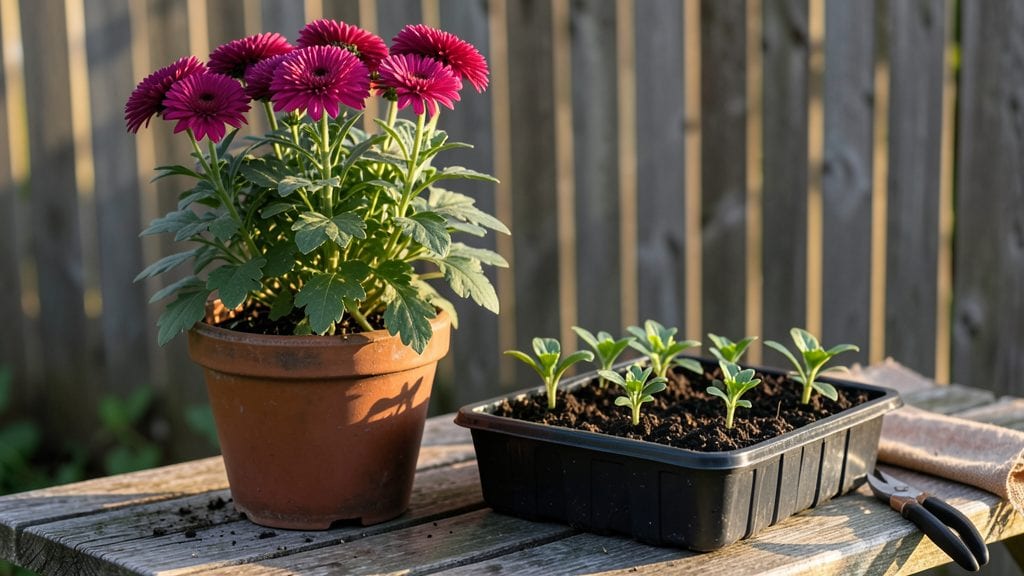
The best time to plant chrysanthemums 🌼 is late spring to early summer or late summer to early fall, depending on your climate zone.
If you love vibrant fall colors, chrysanthemums are the perfect choice—but planting them at the wrong time can mean sparse blooms or weak growth. Timing is everything for these hardy perennials, and getting it right ensures stunning autumn displays year after year.
For USDA Zone 6a, aim for April to May or August to September to give your chrysanthemums enough time to establish roots before the first frost. In warmer regions, you can push those windows slightly later, but the key is avoiding extreme heat or cold.
In this guide, you’ll learn how to calculate the perfect planting window for your location, whether to start from seeds or transplants, and how to prepare your soil for maximum blooms—so your garden becomes the envy of the neighborhood.
Best months to plant chrysanthemums for fall blooms
Chrysanthemums thrive when planted at the right time, and their fall blooming season depends entirely on when you put them in the ground. These hardy perennials need 6-8 weeks of warm weather to establish strong roots before cooler temperatures trigger flowering.
In northern climates, aim for early summer planting, while southern gardeners can extend their window into late summer. The key is matching your local last frost date with the plant's growth cycle.
Soil temperature plays a critical role—chrysanthemums prefer soil temps between 60-70°F (15-21°C) for optimal root development. If you plant too early when soils are still cool, growth slows dramatically, delaying those show-stopping fall blooms you crave.
Conversely, planting too late risks weak stems that can't support heavy flowers. Let's break down the perfect planting windows by US hardiness zones to ensure your chrysanthemums put on their best autumn show.
🌱
For northern gardeners in Zones 3-5, the ideal window runs from late April through early June. This timing ensures plants establish roots before summer heat peaks.
I always check my local last frost date and add 6-8 weeks—this gives chrysanthemums enough time to grow before cooler fall temperatures trigger blooming. In my Zone 5 garden, I've found planting in mid-May yields the most robust plants with abundant fall color.
In Zones 6-7, you have more flexibility with planting dates stretching from mid-May to mid-July. The key is watching for soil temperatures to consistently stay above 65°F (18°C). I use a soil thermometer to verify—this small investment prevents weak growth from cool soils.
For container gardening in these zones, I often plant 2-3 weeks earlier since pots heat up faster and dry out quicker.
Southern gardeners in Zones 8-11 face different challenges—summer heat can stress young plants. The best window here is June through early August, but I always plant in morning shade to protect tender new growth.
In my Zone 9 garden, I've had success with July plantings that produce vibrant fall blooms before winter rains arrive. Just be sure to water deeply after planting to help roots establish in warm soils.
One pro tip I swear by: if you miss the spring window, don't despair—chrysanthemums also thrive when planted in late summer. Aim for 8-10 weeks before your first frost to give plants time to root before cooler weather.
In my experience, August plantings in Zones 6-7 often produce the largest blooms because they get a full growing season's energy before winter.
When timing your planting, don't overlook seasonal cues like day length and temperature shifts. Chrysanthemums naturally respond to shorter daylight hours in fall, which triggers blooming. If you plant too late, they may not get enough time to develop strong stems before winter.
I always mark my calendar for when daytime temperatures drop to 70°F (21°C)
For container gardening, timing adjustments are crucial. Pots dry out faster and heat up more quickly than in-ground beds. I plant container chrysanthemums 2 weeks earlier than my in-ground plants and use self-watering pots to maintain consistent moisture. In my Zone 6 balcony garden, this adjustment has doubled my fall bloom production compared to in-ground plantings. Remember that soil preparation is just as important as timing. Chrysanthemums prefer well-draining, slightly acidic soil with a pH of 6.0-6.5. I always amend my garden beds with compost and perlite before planting to ensure good drainage. For heavy clay soils, I create raised beds to prevent
How to time your chrysanthemum planting for maximum blooms
Timing your chrysanthemum planting is the secret to those show-stopping fall blooms you dream about. These hardy plants thrive when given the right window to establish roots before cooler weather sets in.
Whether you're planting from seedlings or transplants, understanding your local frost dates and soil conditions is key to success.
For most gardeners in the U.S. (Zones 5-9), the ideal planting window falls between late spring (April-May) and early fall (August-September). However, the exact timing depends on whether you're planting for spring blooms (less common) or the more traditional fall display.
Let’s break down how to calculate your perfect planting schedule, including adjustments for container gardening and recognizing when young plants are ready for transplanting.
Once you’ve nailed down your planting window, focus on soil preparation. Chrysanthemums love well-draining soil with a pH between 6.0 and 7.0. Amend heavy clay soil with compost or sand to improve aeration.
If your garden soil is poor, consider planting in raised beds for better control over drainage and nutrients.
After transplanting, water deeply to settle the soil around roots and reduce air pockets. Avoid overhead watering, which can spread fungal diseases like powdery mildew. Instead, use a soaker hose or water at the base of the plant.
Mulch with 2-3 inches of organic mulch (like straw or shredded leaves) to retain moisture and regulate soil temperature.
With the right timing and care, your chrysanthemums will reward you with vibrant blooms that last well into fall. Pro tip: Pinch back the tips of young plants in early summer to encourage bushier growth and more flowers. This simple step can double your bloom count! 🌼