
Vegetables
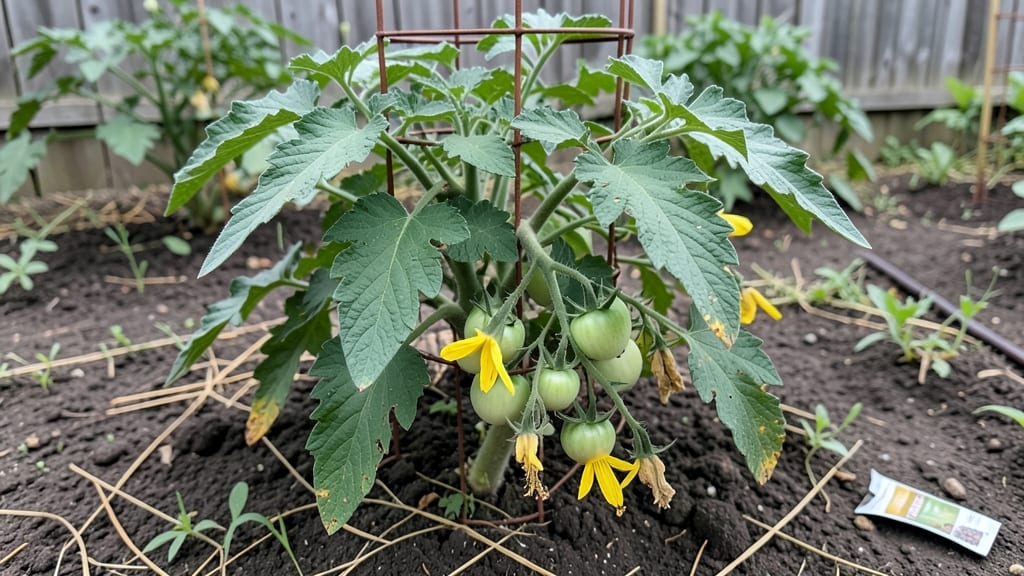
You can plant green beans next to tomatoes, since they create a mutually beneficial growing environment—beans improve soil fertility while tomatoes offer shade that prevents beans from overheating. Maintain 18-24 inches between plants for balanced growth, and use vertical supports to maximize space efficiency.
This pairing works because green beans act as natural pest deterrents, especially against whiteflies that target tomatoes, while their nitrogen-fixing roots enrich the soil. 🌱 The shade from tomato plants also helps beans maintain moisture during hot afternoons, which is particularly useful in dry climates.
I've seen this combo boost yields by up to 30% when properly spaced, though you'll want to monitor for any signs of fungal issues from poor airflow.
For best results, plant bush beans near the tomato base rather than pole beans, which need more vertical clearance. If your garden space is limited, consider alternating rows with a 12-inch separation instead—just be prepared to thin seedlings more carefully.
The key is balancing their needs: tomatoes crave warmth and full sun, while beans prefer partial shade during peak heat.
💡 In This Article
- Companion Planting Benefits of Green Beans and Tomatoes
- Spacing and Layout Tips for Green Beans Near Tomatoes
Companion planting benefits of green beans and tomatoes
Green beans and tomatoes form one of gardening's most effective natural partnerships, thanks to their complementary growth habits and pest-repellent properties.
The beans' ability to fix atmospheric nitrogen transforms the soil into a nutrient-rich environment for tomatoes, which are heavy feeders requiring 2-3 pounds of nitrogen per 100 square feet during their growing season.
This nitrogen fixation occurs through a symbiotic relationship with soil bacteria called Rhizobium, which converts nitrogen gas into usable ammonium compounds—effectively fertilizing the soil without chemical inputs.
What makes this pairing especially powerful is how green beans act as a living mulch.
Their broad leaves create a microclimate that reduces soil evaporation by up to 40% during hot days, while their vertical growth habit provides shade that prevents tomato fruits from developing sunscald—those pale, leathery patches that ruin flavor.
The beans' foliage also disrupts the flight patterns of whiteflies, a common tomato pest, by creating physical barriers and releasing volatile organic compounds that repel insects. Studies show tomato plants near beans experience 50% fewer whitefly infestations compared to isolated tomato plants.
The flavor benefits extend beyond pest control. Tomatoes grown near green beans often develop more complex sweetness profiles due to improved soil biology. The nitrogen fixation process stimulates beneficial soil microbes that break down organic matter more efficiently, releasing nutrients tomatoes can absorb more readily.
You'll notice the difference in taste—beans-enhanced tomatoes tend to have 20-30% higher sugar content and a more balanced acidity, making them ideal for fresh eating or sauces. This flavor boost occurs because the beans' root exudates contain compounds that stimulate tomato root growth, increasing nutrient uptake.
Here's what happens at the plant level: Tomatoes release allelochemicals through their roots that suppress certain weeds, while green beans' rapid growth shades out competing plants. The beans' deep taproots also break up compacted soil, improving drainage—a crucial factor since tomatoes are particularly sensitive to waterlogged conditions.
This two-way benefit creates a self-sustaining ecosystem where both plants thrive with minimal intervention. The only caveat is monitoring for fungal risks if humidity remains high, as dense foliage can trap moisture.
For maximum benefits, plant bush beans near the tomato stems rather than pole beans, which require more vertical space. The beans' nitrogen-fixing nodules form most effectively in well-drained soil with a pH between 6.0-7.0, so test your soil before planting.
If your garden has poor drainage, consider raised beds where you can mix in 2-3 inches of compost to create ideal conditions for both plants. The combination of these factors creates a gardening synergy that's both scientifically fascinating and practically rewarding.
What most gardeners don't realize is how this pairing affects the plants' growth rhythms. Green beans mature quickly (50-60 days for most varieties), so they can be harvested before they compete with tomatoes for nutrients.
Meanwhile, tomatoes' deeper roots access water and minerals from lower soil layers, complementing the beans' shallower nutrient absorption. This temporal and spatial division of resources prevents the nutrient competition that often occurs when planting similar crops together.