Diseases
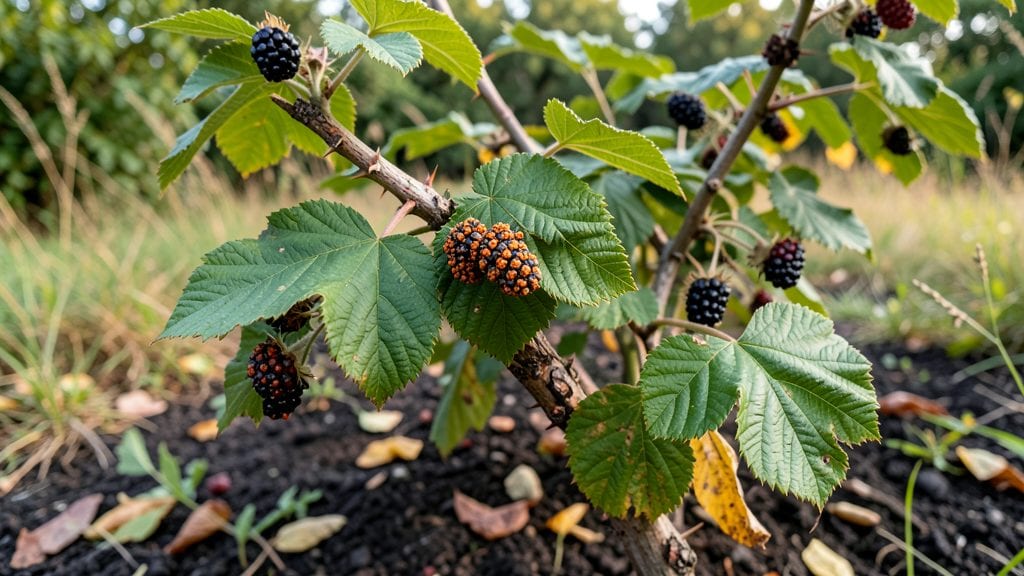
Blackberry plant diseases can turn your thriving brambles into a sad, leaf-dropping mess before you even realize what’s happening. 🌿 I’ve seen anthracnose turn my canes black in weeks, and rust leave them looking like they got hit with a rusty spray can—both of which I’ll show you how to stop in their tracks.
The good news? Most of these problems start with simple fixes—better airflow, the right pruning, or a quick spray of neem oil.
I’ll walk you through the early warning signs (like yellow spots or weird powder on leaves) and the exact treatments that actually work, whether you prefer organic or chemical options.
By the time you’re done reading, you’ll spot trouble before it spreads and keep your plants producing juicy berries for years. The key is acting fast—once diseases take hold, they’re nearly impossible to reverse. Let’s get your blackberries back to their best.
We’ll also cover when to call in reinforcements (like a local extension office) and how to pick disease-resistant varieties if your current plants keep getting sick. Prevention is easier than cleanup, and I’ve got the no-fail strategies.
Root Causes Of Blackberry Ailments
Blackberry plants, like all living organisms, are vulnerable to diseases when their natural defenses weaken. Understanding the why behind these issues helps you take proactive steps to protect your berry bushes.
Below, we break down the most common triggers—from environmental stressors to biological invaders—and explain how they create the perfect storm for plant sickness.
Blackberries thrive in specific conditions, and when these are disrupted, diseases like anthracnose, botrytis blight, or powdery mildew take hold. Here’s how:
- Excess Moisture (Overwatering or Poor Drainage) Blackberries hate soggy roots. When soil stays waterlogged for extended periods, fungal spores—like those causing root rot—spread rapidly. Poor drainage also weakens the plant’s immune system, making it easier for pathogens to invade through wounds or natural openings (like stomata).
- High Humidity Without Airflow Fungal diseases love humidity. If your blackberries are planted too closely together or shaded by overgrown foliage, botrytis blight (gray mold) and powdery mildew flourish. These fungi thrive in still, damp air, clinging to leaves and fruit until they rot.
- Temperature Swings Blackberries are sensitive to sudden temperature drops, especially at night. Cold stress weakens cell walls, making plants more susceptible to bacterial canker or fruit rots. Conversely, extreme heat (above 90°F) can scorch leaves, leaving them vulnerable to secondary infections.
Diseases don’t just appear out of nowhere—they’re often introduced or spread by external factors. Here’s how:
- Fungal Spores From Contaminated Tools or Soil Many blackberry diseases, like anthracnose or rust, are caused by fungal spores that survive in soil or on pruning tools. If you’ve used infected tools or planted in contaminated soil, spores can infect new plants within weeks.
- Insect Vectors (Pests Carrying Disease) Some diseases, like blackberry yellow vein associated virus (BYVAV), are spread by insects such as thrips or aphids. These pests feed on plant sap, injecting viruses as they go. A single infestation can turn a healthy bush into a disease hotspot overnight.
- Weakened Plants From Poor Nutrition Blackberries deficient in potassium, phosphorus, or nitrogen are more prone to disease. For example, low potassium reduces cell wall strength, making plants easier targets for root rot or fruit rots. A soil test can reveal deficiencies before symptoms appear.
Even the most resilient blackberry varieties can fall prey to diseases if basic care is neglected. Common oversights include:
- Improper Pruning (Creating Wounds for Infection) Aggressive pruning or using dull tools can create open wounds where bacterial canker or fungal infections enter. Always prune during dry weather and sterilize tools with 70% rubbing alcohol or bleach solution.
- Overcrowding (Reducing Air Circulation) Dense plantings trap moisture and block sunlight, creating ideal conditions for powdery mildew and botrytis blight. Aim for 4–6 feet of spacing between bushes to improve airflow.
- Ignoring Debris and Mulch Buildup Leaving fallen leaves, fruit, or old canes near the base of plants provides a food source and shelter for fungal spores. Remove debris promptly and use straw or wood chips (not thick layers) for mulch to prevent rot.
Pro Tip: 💡 Rotate crops if possible—planting blackberries in the same spot year after year depletes soil nutrients and allows disease-causing pathogens to build up. If you must replant, wait at least 3 years before returning blackberries to the same location.
Fixing Common Blackberry Ailments Fast
Blackberries are resilient, but when diseases strike, quick action can save your harvest. Below are practical, step-by-step solutions tailored to each problem, plus prevention tips to keep your plants thriving. Let’s get your berries back on track!
**🔥 Cause: Overhead watering, humidity, or weak plant immunity ✨ Fix It:
- Prune & Clean Up
- Remove
- Thin out crowded canes** to improve airflow—fungi love damp, stagnant spaces.
- Fungicide Spray (Organic or Chemical) - Neem oil spray (1 tsp neem oil + 1 tsp mild soap + 1 quart water): Spray early morning or evening (avoid direct sun).
Repeat every 7–10 days until symptoms fade. 🍃 - Copper fungicide (like Bordeaux mixture): Apply preventatively in spring if rust is recurrent. - Synthetic option: Myclobutanil (for severe powdery mildew)—follow label rates.
- Soil & Water Adjustments
- Water at the base (not overhead) and early in the day so foliage dries quickly. 💦
- Avoid nitrogen-heavy fertilizers (they encourage lush, fungus-loving growth). Switch to a balanced 10-10-10 or potassium-rich feed to boost resistance.
**💡 Prevent Future Outbreaks:
- Plant resistant varieties like ‘Chester’ or ‘Triple Crown’.
- Mulch with straw (not wood chips) to reduce soil splashing onto leaves.
- Rotate crops—don’t plant berries in the same spot yearly.
🍳 Cause: Warm, wet weather + infected plant debris 👨🍳 Treatment Plan:
- Burn or Bury Infected Debris
- Fungicide Applications
- Biological control: Bacillus subtilis (like Serenade ASO)—spray every 2 weeks during rainy seasons.
- Adjust Planting & Care
- Prune in late winter to remove weak canes—thin to 6–8 strong canes per plant.
- Avoid overhead irrigation—use drip lines instead.
🌡️ Prevention Tips:
- Choose anthracnose-resistant varieties like ‘Natchez’ or ‘Arapaho’.
- Sanitize pruners with rubbing alcohol between cuts.
- Plant in full sun (6+ hours/day)—fungi thrive in shade.
🔪 Cause: Overwatering, poor drainage, or compacted soil ⏰ Emergency Actions:
- Check the Roots
- Gently
- Revive the Plant
- Improve drainage:
- Mix
- Raise beds or plant on a slight mound to prevent water pooling.
- Repot (if in containers) into fresh, well-draining soil with perlite or compost.
- Fungicide & Soil Fix
- Apply mycorrhizal fungi (like MycoApply) to boost root health.
- Avoid fertilizing until new growth appears—weak roots can’t handle nutrients.
🎯 Prevention for Next Season:
- Test soil pH (ideal: 5.5–6.5)—acidic soil worsens rot.
- Plant in raised beds or hill mounds for better drainage.
- Mulch with gravel or pine straw (not organic mulch) to keep roots dry.
- Monitor weekly for early signs (yellowing, spots, wilting).
- Rotate fungicides to prevent resistance—don’t use the same one repeatedly.
- Encourage beneficial insects (ladybugs, lacewings) with neem oil sprays—they prey on pests that stress plants.
- Harvest promptly—overripe berries attract fungal spores!
🚀 Pro Tip: If diseases keep returning, consider a soil drench with beneficial bacteria like Bacillus amyloliquefaciens (e.g., Blossom-End Rot Prevention**). It’s a game-changer for fungal pressure!
Frequently asked questions
What are the first signs of blackberry plant diseases I should watch for?
Look for yellowing leaves, white powdery coatings (powdery mildew), orange rust spots (rust fungus), or blackened canes (anthracnose). Fruit may develop gray mold (botrytis) or shriveled patches—these are red flags. Check undersides of leaves too, where many fungal spores hide.
Can I use household items to treat blackberry diseases?
Yes! For mild cases, mix 1 tablespoon baking soda with 1 quart water and a drop of dish soap for powdery mildew. Spray on leaves every 7–10 days. Hydrogen peroxide (3% solution, 1:9 water) can also help—spray on roots for root rot. Always test a small area first.
How do I know if my blackberry plant is beyond saving?
If more than 50% of canes are dead, roots are mushy and rotting, or diseases persist despite treatment, it’s time to remove the plant. Dig up the entire root system and burn or bag it—don’t compost—to prevent spreading spores. Replace with a disease-resistant variety.
Why do some blackberry varieties get sick more often?
Older, non-hybrid varieties often lack disease resistance built into modern cultivars. For example, ‘Cheyenne’ is prone to rust, while ‘Natchez’ resists anthracnose. Always check labels for disease-resistant tags when buying new plants—it’s the easiest prevention!
When is the best time to prune to prevent diseases?
Prune in late winter or early spring (before new growth starts) to remove dead or infected canes. Sterilize tools with 70% rubbing alcohol between cuts. Avoid pruning during wet weather, as open wounds invite fungal infections.