
Aphids
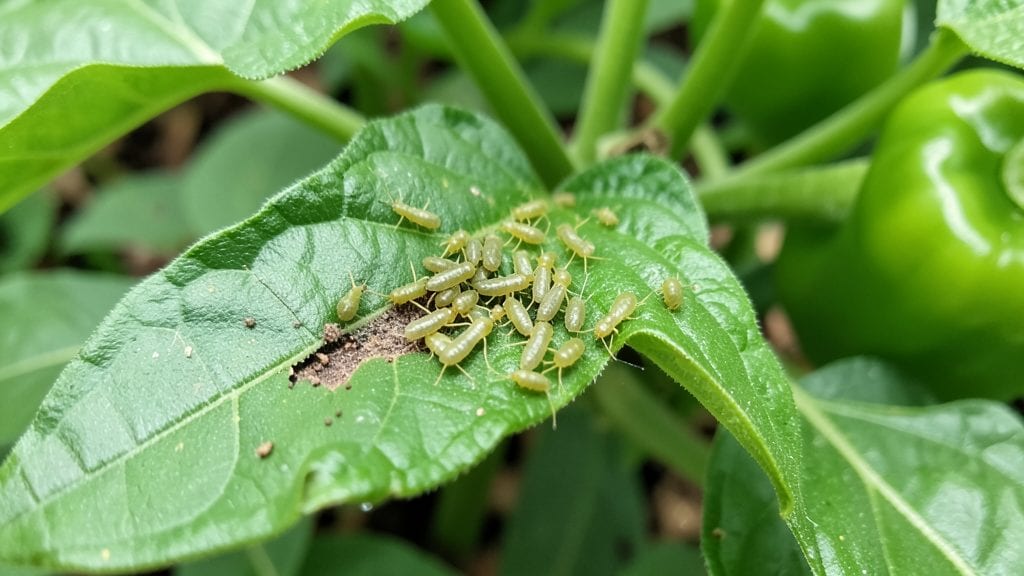
Aphids on jalapeno plants can turn your spicy harvest into a sad, sticky mess if you don’t act fast. 🌱 I’ve seen these tiny green invaders drain plants in days, but the right moves—like a quick spray of soapy water or introducing ladybugs—can save your peppers before they even notice the battle.
The key is catching them early, when the damage is still just a few curled leaves, not a collapsed plant.
Most gardeners panic when they spot aphids, but these pests actually give clear warning signs: shiny, sticky residue on leaves (that’s honeydew), wilted new growth, or ants marching up the stems.
My jalapenos bounced back after I knocked off the aphids with a strong stream of water and added a few drops of dish soap to the mix—no fancy chemicals needed. The plants stayed healthy and kept producing fruit just two weeks later.
What you’ll get from this rescue plan is a jalapeno plant that looks strong and green, not stressed and sticky. The fruits stay crisp, the plant keeps growing, and you avoid the heartbreak of losing your entire harvest.
Plus, once you’ve done this once, you’ll spot aphids before they become a problem—it’s that simple.
This method works for any pepper plant—jalapeños, bell peppers, even chili peppers—so you can use it all season long. The best part? Your garden will start attracting natural predators like ladybugs and lacewings, which means fewer pests next time around. Let’s get those peppers back to thriving!
The Hidden Triggers Inviting Aphids
Aphids don’t just randomly appear on your jalapeño plants—they’re drawn by specific conditions that turn your garden into an all-you-can-eat buffet. Understanding these triggers is the first step to stopping the infestation before it starts. Let’s break down the science behind why these tiny pests target your peppers.
Aphids thrive when plants are weak, and stressed jalapeños are like neon signs for them. Overcrowding reduces airflow, creating a humid microclimate that aphids love.
Additionally, plants under stress due to poor soil, nutrient deficiencies, or root damage release volatile organic compounds (VOCs) that attract aphids as a signal of vulnerability.
Why it happens:
- Competition for resources: Overcrowded plants compete for water, sunlight, and nutrients, weakening their immune response.
- Humidity buildup: Dense foliage traps moisture, creating the perfect environment for aphids to reproduce rapidly.
- Root stress: Compacted or poor soil restricts root growth, making plants more susceptible to pests.
Actionable fix: Space jalapeño plants 12–18 inches apart and prune regularly to improve airflow. Amend soil with compost to reduce stress.
Aphids are sap-sucking insects, and jalapeños (like many plants) produce high-sugar sap when growing vigorously. New growth, especially tender shoots and flower buds, is particularly rich in sugars, making it an aphid magnet.
Additionally, plants with high nitrogen levels produce even sweeter sap, which aphids detect from up to 30 feet away using their antennae.
Why it happens:
- Rapid growth phases: Aphids target new shoots and flowers because they’re packed with easily accessible nutrients.
- Nitrogen-rich soil: Over-fertilizing with nitrogen (e.g., blood meal or synthetic fertilizers) makes plants more appealing to aphids.
- Honeydew production: Aphids excrete sticky honeydew, which attracts ants and fungal growth, further stressing the plant.
Actionable fix: Use a balanced fertilizer (e.g., 10-10-10) and avoid excessive nitrogen. Monitor new growth closely, as it’s the first target for aphids.
Here’s a sneaky twist: aphids and ants have a mutualistic relationship. Ants farm aphids by protecting them from predators in exchange for honeydew. If you spot ants crawling on your jalapeño plants, they’re likely herding aphids to feed on the sap.
This creates a vicious cycle where aphid populations explode unchecked.
Why it happens:
- Honeydew trade: Ants stroke aphids to encourage honeydew production, creating a symbiotic bond.
- Shelter in exchange for food: Ants may even move aphids to new plants, spreading infestations faster.
- Indirect plant damage: The fungal growth from honeydew (sooty mold) blocks sunlight, further weakening the plant.
Actionable fix: Disrupt the relationship by using ant barriers (e.g., sticky traps or diatomaceous earth around the base of plants) or introducing natural ant predators like ladybugs or lacewings.
Aphids are cold-blooded insects, and they prefer temperatures between 60–85°F (15–29°C). Jalapeño plants with dense foliage or those growing in greenhouses, containers, or shaded areas create protected microclimates that keep aphids cozy and reproducing year-round. Even mild winters in some regions allow aphids to survive and multiply faster.
Why it happens:
- Temperature regulation: Dense plant canopies trap heat, creating ideal breeding conditions.
- Lack of natural predators: Cold snaps or wind can kill aphids, but sheltered plants provide safe havens.
- Greenhouse effect: Plastic or glass structures accelerate aphid growth by maintaining consistent warmth.
Actionable fix: Improve airflow with pruning or spacing, and avoid overwatering to prevent fungal growth that aphids exploit. If using containers, move plants to sunnier spots during cooler months.
Aphids are generalists and will colonize any susceptible plant nearby. If your jalapeños are near common aphid hosts like roses, beans, or squash, they’re at higher risk. Even residual honeydew or aphid eggs from last season can hatch and reinfest your plants.
Additionally, weakened plants from past pest attacks are more vulnerable to repeat infestations.
Why it happens:
- Cross-contamination: Aphids can fly or be carried by wind to nearby plants within a few days.
- Overwintering eggs: Many aphid species lay eggs on plant stems or soil that hatch when conditions are right.
- Cumulative stress: Plants recovering from disease or pests have compromised defenses.
Actionable fix: Inspect neighboring plants for aphids and remove infested leaves immediately. Practice crop rotation and clean up garden debris to eliminate hiding spots for eggs.
Quick Fixes For Pepper Plant Pests
Aphids on your jalapeno plants might feel like a tiny but relentless invasion, but don’t worry—there are effective, natural, and easy-to-follow solutions to reclaim your garden. The key is acting fast and choosing the right method based on the severity of the infestation.
Below, we break down targeted fixes for common causes, from mild outbreaks to full-blown attacks, plus prevention tips to keep your peppers thriving.
If you catch aphids early (before they spread), these gentle but powerful methods will save your plants without harsh chemicals.
🍳 Blast Them Off with Water Aphids hate water pressure!
This is the simplest, safest first step—especially for small infestations. - How to do it: - Fill a spray bottle or garden hose with soapy water (1 tsp mild dish soap per gallon of water). - Directly spray the undersides of leaves (where aphids love to hide) until they’re soaked. - Repeat every 2–3 days until they’re gone. - Why it works: The soap cuts through their waxy coating, and the water washes them away. - Pro tip: 💡 Use a gentle stream—too much force can damage delicate pepper leaves.
👨🍳 Introduce Beneficial Bugs
Nature’s pest control is free, chemical-free, and highly effective.
Ladybugs, lacewings, and parasitic wasps devour aphids like a buffet. - How to attract them: - Buy ladybug larvae or lacewing eggs from garden centers (they’re hungry and fast!). - Plant companion flowers like dill, fennel, or marigolds nearby—they attract these predators. - Avoid pesticides (even organic ones) for a few weeks to let the good bugs move in. - Why it works: A single ladybug can eat 50+ aphids in a day! 🌿
🥘 Neem Oil Spray (Organic Shield)
Neem oil is a plant-based powerhouse that disrupts aphid life cycles while being safe for peppers.
- How to make it:
- Mix 1 tbsp neem oil + 1 tsp mild soap + 1 quart water.
- Spray evenly on all leaf surfaces, especially undersides.
- Reapply every 5–7 days until aphids disappear.
- Why it works: It smothers adults, repels eggs, and weakens future generations.
- Pro tip: 🌡️ Apply in the early morning or evening to avoid burning leaves in direct sun.
If aphids have taken over and are stunting your jalapenos, you’ll need a stronger approach—but still eco-friendly.
🔪 Horticultural Oil or Insecticidal Soap
These are concentrated but targeted solutions for bad outbreaks.
- How to use:
- Horticultural oil: Apply at dusk (aphids are less active). Cover all plant surfaces, including stems.
- Insecticidal soap: Spray directly on clusters until dripping.
Reapply every 3–4 days. - Why it works: Both suffocate aphids and disrupt their feeding. - Warning: ⚠️ Avoid spraying directly on flowers (if present) to protect pollinators.
🌱 Prune & Burn Infested Growth
Sometimes, removing the problem is the fastest fix.
- How to do it:
- Cut off heavily infested leaves or stems with clean pruners.
- Burn or trash them (don’t compost—aphids can survive!).
- Wipe tools with rubbing alcohol between cuts to prevent spread.
- Why it works: Stops the aphid population from exploding and gives your plant a fighting chance.
The best defense is a strong, healthy jalapeno plant that aphids won’t bother with. Here’s how to lock them out before they arrive:
🌱 Plant Smart & Strong
- Choose resistant varieties: Some pepper types (like ‘Jalapeño M’) are less aphid-prone.
- Space plants properly: Good airflow reduces aphid attraction (they love crowded, stressed plants).
- Fertilize right: Too much nitrogen = soft, aphid-loving growth.
Use a balanced fertilizer (like 10-10-10).
🌿 Natural Deterrents
- Crushed garlic or chili spray: Blend 1 garlic bulb + 1 chili pepper + 1 quart water, strain, and spray on leaves.
Aphids hate the smell! - Reflective mulch: Cover soil with aluminum foil or silver plastic mulch—aphids avoid shiny surfaces. - Companion planting: Grow basil, mint, or onions nearby—their scents repel aphids.
👀 Monitor & Act Fast
- Check leaves weekly: Aphids start small—catch them before they multiply.
- Use yellow sticky traps: Hang them near plants to catch winged aphids before they land.
- Rotate solutions: Aphids can build resistance—switch methods every few weeks.
Final Thought: 🎯 Aphids may be tiny, but you’re not powerless. With these practical, plant-safe fixes, your jalapeno plants will bounce back—and next season, you’ll be one step ahead. 🌱🔥
Frequently asked questions
What do aphids on jalapeno plants look like?
Aphids are tiny, soft-bodied insects, usually 1/16 to 1/8 inch long, and come in green, black, yellow, or brown colors. They cluster on the undersides of leaves, stems, and new growth, often leaving behind a sticky residue called honeydew. Look for curled or yellowing leaves—they’re a dead giveaway!
How do I know if my jalapeno plant has aphids?
Watch for these signs: shiny, sticky honeydew on leaves, distorted or curled new growth, ants (which farm aphids), and tiny clusters of bugs on stems. Gently shake the plant over a white sheet—if you see tiny insects flying or crawling, that’s your answer!
Can aphids kill my jalapeno plant?
While aphids rarely kill a healthy jalapeno plant outright, severe infestations can weaken it by draining sap, spreading disease through honeydew, and attracting ants. If left unchecked, they’ll stunt growth and reduce fruit production. Early action is key!
Will dish soap really work to remove aphids?
Yes! Mix 1 teaspoon mild dish soap with 1 quart of water and spray directly on aphids. The soap disrupts their protective coating while water washes them away. Test on a small area first—some plants are sensitive to soap residue. Reapply every 2–3 days for best results.
Are there chemical-free ways to prevent aphids?
Plant basil, marigolds, or garlic nearby to repel aphids naturally. Use reflective mulch (like aluminum foil) to confuse them, and introduce ladybugs or lacewings—they eat aphids like a snack! Regularly prune for airflow and avoid over-fertilizing with nitrogen.