Shrubs
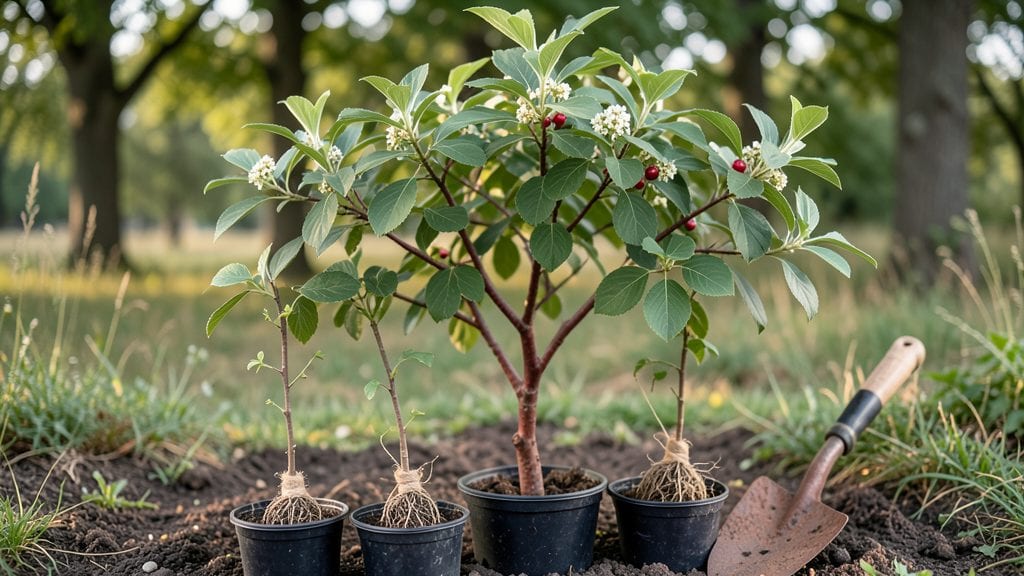
Planting viburnum 🌿 at the right distance ensures they grow into full, healthy shrubs instead of struggling for space.
Struggling to get your viburnum shrubs to thrive? The right planting distance isn't just about aesthetics—it’s the secret to stronger stems, better airflow, and fewer pests. Get it wrong, and you risk stunted growth or disease.
Most viburnum varieties need 3 to 5 feet of space between plants, but some, like the sprawling Viburnum opulus, may need up to 6 feet to prevent overcrowding. This spacing also helps sunlight reach the center, keeping the foliage lush and reducing fungal issues.
In this guide, I’ll break down the ideal spacing for different viburnum types, how to adjust for hedges or small gardens, and the key mistakes that lead to weak growth. Let’s get your viburnum off to the right start!
Optimal Viburnum planting distance by species and growth habit
Planting viburnum shrubs too close can turn your dream landscape into a tangled mess of competing roots and disease-prone foliage. The key is matching spacing to species—each viburnum variety has unique growth habits that dictate how much room it needs to thrive.
For example, Viburnum dentatum (arrowwood) stays compact at 4–6 feet tall, while Viburnum plicatum (Japanese snowball) can sprawl 10–15 feet wide without proper spacing. Let’s break down the exact distances for your garden.
Most gardeners overlook how sunlight exposure affects spacing needs. Viburnums planted in full sun need more room for airflow, while those in partial shade can tolerate closer spacing.
A 6-foot spacing for sun-loving varieties like Viburnum opulus (cranberrybush) prevents powdery mildew, whereas shade-tolerant Viburnum rhytidophyllum (leatherleaf) can handle 4–5 feet apart. Pruning requirements also play a role—heavily pruned varieties (like Viburnum bodnantense) need tighter spacing, while unpruned types (like Viburnum carlesii) benefit from wider berths.
comparison-table
For hedge plantings, reduce spacing by 20–30% compared to single specimens. A Viburnum dentatum hedge, for example, thrives at 3–4 feet apart, while Viburnum opulus needs 5–6 feet to maintain density. Always stagger plants in a brick-like pattern to create a seamless barrier.
If you’re planting a mixed border, leave 5–7 feet between viburnum and other shrubs to avoid root competition—especially with fast growers like hydrangeas or spirea.
Pruning plays a critical role in spacing decisions. Unpruned viburnums, like Viburnum plicatum, need 10 feet of clearance to develop their iconic layered branches. If you plan to prune annually, you can reduce spacing by 1–2 feet—just be
How planting distance affects airflow, disease prevention, and bushiness
Proper viburnum planting distance isn’t just about making your garden look neat—it’s a game-changer for plant health. When shrubs are too close, they compete for nutrients and sunlight, leading to weak growth and disease susceptibility.
But spacing them too far apart wastes space and reduces the visual impact of your landscape. Finding the right balance ensures your viburnums thrive with strong stems and dense foliage.
One of the biggest threats to overcrowded viburnums is powdery mildew, a fungal disease that thrives in humid, stagnant air. When plants are packed too tightly, airflow is restricted, creating the perfect conditions for spores to spread.
This isn’t just a cosmetic issue—severe infections can kill branches or even entire plants. Proper spacing lets air circulate, keeping your viburnums disease-free and vibrant.
⚠️ Warning: Overcrowding Viburnums
Planting viburnum too closely (less than 3 feet apart) leads to:
- Stunted growth from root competition
- Increased fungal diseases (e.g., powdery mildew)
- Weak stems prone to breakage Solution: Space dwarf varieties 3–4 feet apart; standard types 5–8 feet apart for optimal airflow.
Sunlight plays a crucial role in how bushy your viburnums grow. When shrubs are spaced correctly, they receive even sunlight exposure on all sides, encouraging denser foliage and more flowers.
If you notice one side of your viburnum looking sparse, it’s likely not getting enough light due to overlapping canopies. Aim for 5–8 feet between standard viburnums to ensure every branch gets its share of morning sunlight and afternoon shade.
Root competition is another silent killer of viburnums. When roots tangle too closely, they steal moisture and nutrients from each other, leaving plants stressed and vulnerable. This is especially problematic in small gardens or containers, where space is limited.
To avoid this, choose dwarf varieties like Viburnum burkwoodii (3–5 feet tall) and space them 3–4 feet apart, or opt for standard viburnums like Viburnum plicatum with 6–8 feet of clearance.
If you’re working with a small garden or container planting, don’t despair! You can still achieve a lush look by pruning strategically and choosing compact varieties. For example, Viburnum dentatum (arrowwood viburnum) stays under 6 feet tall and can be spaced 3–4 feet apart in a mixed border.
Pair it with low-growing perennials like heuchera or ajuga to fill gaps without crowding.
Remember, the key to healthy viburnums is balance: enough space for airflow and sunlight, but not so much that your garden looks sparse. Start with the recommended spacing for your variety, monitor growth, and adjust as needed.
With the right distance, your viburnums will reward you with year-round interest, fewer pests, and a fuller, bushier appearance.