Pruning
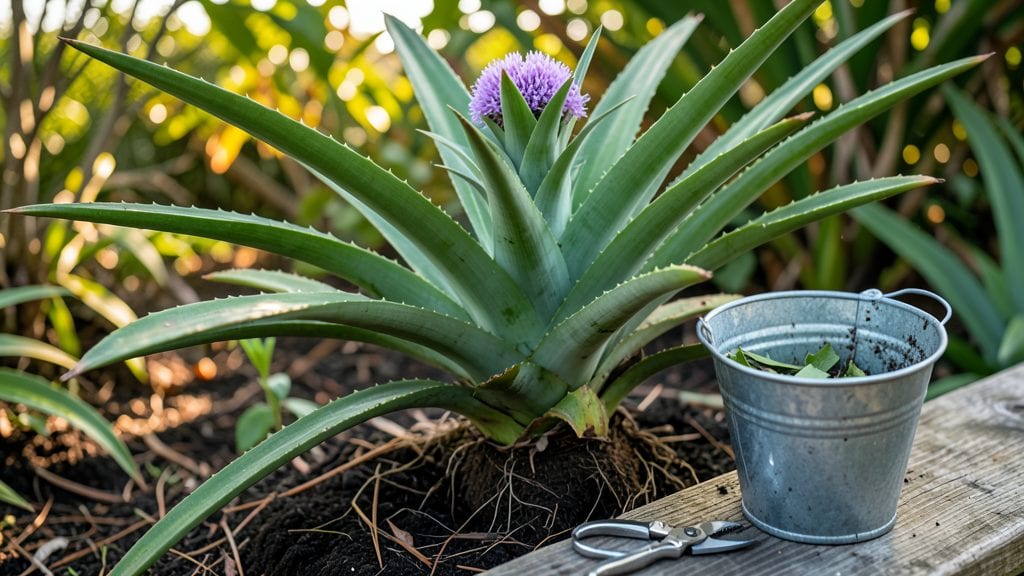
Trimming a pineapple plant unlocks the secret to year-round fruit production—something I learned after my first plant produced just one small pineapple before giving up.
The key is knowing exactly when and how to cut back without harming the plant, and I’ll show you the simple method that keeps my plants flowering every 12-18 months.
You’ll need just three tools: sharp pruning shears, rubbing alcohol for sterilizing, and a small pot for any offsets you want to propagate. The real magic happens in late winter or early spring, just after the plant finishes flowering.
This is when you remove dead leaves, trim overgrowth, and separate offsets—those baby plants growing at the base.
After trimming, your plant will focus its energy on growing new leaves and preparing for another flowering cycle. The offsets you remove can root in water or soil within a few weeks, giving you free new plants.
Within six months, you’ll have a thriving mother plant and a fresh crop of offsets ready to fruit themselves.
This method works for both indoor and outdoor pineapple plants, as long as you keep them in warm, sunny spots. The first year might be a little slow, but by year two, you’ll have a steady supply of sweet, juicy pineapples without buying a single one.
Let’s get those shears ready!
📚 In This Guide
- What you need
- Instructions
- Tips and common mistakes
- Wrapping up and next steps
What you need
- ● Healthy pineapple plant: A mature plant (at least 12–18 months old) with visible suckers or "pups" at the base or along the stem.
- ● Sharp pruning shears or clean knife: Disinfect with rubbing alcohol to prevent disease (sterilize between cuts if trimming multiple plants).
- ○ Gloves (optional but recommended): Pineapple leaves have tiny, sharp serrations that can prick your skin!
- ○ Rooting hormone (optional but helpful): A gel or powder to boost root growth for separated suckers.
- ● Well-draining potting mix: Cactus/succulent blend or a mix of perlite, sand, and peat (avoid heavy garden soil).
- ● Small pots (3–4 inches in diameter): For propagating suckers—use pots with drainage holes.
- ● Watering can or spray bottle: Keep soil moist (not soggy) during the rooting phase.
- ● Hydrogen peroxide (3% solution): Dilute with water (1:1 ratio) to rinse cuts and prevent infection.
- ● Label markers: To track when you propagated suckers (pineapples take 18–24 months to fruit!).
- ● Slow-release fertilizer: A balanced 10-10-10 or succulent-specific fertilizer to nourish new growth.
- ● Clear plastic bag or humidity dome: Creates a mini greenhouse for faster rooting (remove once roots form).
Instructions for trimming a pineapple plant
Here’s how to keep your pineapple plant healthy and productive—so you can enjoy fruit year after year.
Identify and Remove Dead or Yellowing Leaves
Start by examining the plant’s base and stem. Look for leaves that have turned brown, yellowed, or feel dry and brittle. These are dead or dying and need removal to prevent disease and redirect energy to new growth. Use clean, sharp pruning shears to cut these leaves at the base, about ½ inch above the crown.
Be gentle but decisive—don’t tear the leaves, as this can damage the plant. If a leaf is only partially dead, wait to see if it revives before cutting. Healthy leaves should be green, firm, and slightly waxy. Once you’ve removed the dead foliage, your plant will look cleaner and more vigorous.
Prune Overgrown or Damaged Leaves
Next, focus on leaves that are overgrown, damaged, or crowding the center of the plant. These leaves compete for sunlight and nutrients, slowing down fruit production. Trim back any leaves that are longer than 12 inches or blocking light from reaching the center. Cut them back to about 6-8 inches from the base, leaving a clean, slanted cut.
If a leaf is torn or diseased, remove it entirely. Avoid leaving stubs, as these can trap moisture and encourage rot. After trimming, step back and assess the plant’s shape. You want a balanced, open structure that allows air to circulate freely—this keeps pests and fungal issues at bay.
Encourage New Growth by Trimming the Top
Once your pineapple plant has finished fruiting, the top of the plant (called the "crown") may become woody or overgrown. To stimulate new shoots and potential fruit production, trim the very top of the plant just above a set of healthy leaves. Use sharp shears to make a clean cut, leaving about 2-3 inches of stem below the cut.
This pruning encourages the plant to produce "pups" or offsets—small side shoots that can be separated and grown into new plants. Watch for new growth emerging from the base or along the stem within 4-6 weeks. If you’re not planning to propagate, you can leave these pups attached, but they’ll compete for resources with the main plant.
Maintain the Plant After Trimming
After pruning, your pineapple plant needs extra care to recover and thrive. Water it deeply but allow the top 1-2 inches of soil to dry out between waterings. Avoid overwatering, as soggy soil can lead to root rot. Place the plant in a spot with bright, indirect light for a few days to help it adjust before returning it to full sun.
Apply a balanced, water-soluble fertilizer every 4-6 weeks to support new growth. If you notice yellowing leaves after trimming, it may be a sign of nutrient deficiency or overwatering. Adjust your care routine accordingly—healthy leaves should remain deep green and firm. With proper maintenance, your pineapple plant will reward you with another fruit in 18-24 months**.
Tips & tricks for perfect pineapple plant trimming
A few simple tricks will help your pineapple plant thrive and produce fruit reliably year after year.
Timing Tip: The best time to trim your pineapple plant is right after it finishes fruiting. This is when the plant has already directed its energy into producing fruit and is ready to focus on new growth. If you notice the crown becoming woody or overgrown, that’s your cue to trim it back to about 2-3 inches above a set of healthy leaves. This timing helps stimulate new shoots and ensures the plant has the energy it needs to produce pups or offsets for future harvests.
Tool Tip: Always use clean, sharp pruning shears for trimming. Dull shears can crush the plant tissue, making it more susceptible to disease. Sterilize your shears with rubbing alcohol before and after each use to prevent the spread of bacteria or fungi. This is especially important if you’re working with multiple plants or if you notice any signs of disease on your pineapple plant.
Visual Cue: When assessing whether a leaf is healthy or needs removal, look for vibrant green color and firm texture. Healthy leaves should feel slightly waxy to the touch. If a leaf is brown, yellowed, or feels dry and brittle, it’s time to remove it. In Step 1, cutting about ½ inch above the crown ensures you don’t accidentally damage the plant’s growing point while removing dead foliage.
Aftercare Strategy: After trimming, give your pineapple plant a little extra care to help it recover. Place it in a spot with bright, indirect light for a few days to help it adjust before returning it to full sun. This gradual transition prevents stress on the plant. Additionally, water deeply but allow the top 1-2 inches of soil to dry out between waterings to avoid overwatering, which can lead to root rot.
Pro Tips for Trim Pineapple Plant
- A few simple tricks will help your pineapple plant thrive and produce fruit reliably year after year.
- Timing Tip: The best time to trim your pineapple plant is right after it finishes fruiting. This is when the plant ha...
- Tool Tip: Always use clean, sharp pruning shears for trimming. Dull shears can crush the plant tissue, making it more...
Frequently asked questions
Got questions about trimming your pineapple plant for a steady harvest? Here are some of the most common concerns—plus clear, actionable answers to keep your plant thriving!
When is the best time to trim a pineapple plant?
Trim your pineapple plant after it produces its first fruit and the crown (the leafy top) starts drying out. This usually happens about 8–12 months after planting. Avoid trimming during active growth or flowering—wait until the plant signals it’s ready by slowing down or browning at the base.
How do I trim a pineapple plant without killing it?
Use a sterilized knife or pruners to cut 1–2 inches above the base of the plant, just below the crown. Remove any dead or yellowing leaves first. Pro tip: Don’t trim more than 1/3 of the plant at once—gradual trimming reduces stress and encourages regrowth. Water lightly after trimming to help recovery.
Can I regrow a pineapple plant from the trimmed crown?
The crown you remove can root and grow into a new plant. Let the cut end dry for 1–2 days, then place it in water or moist soil. Keep it in bright, indirect light and mist occasionally. Roots should appear in 2–4 weeks. Bonus: This method gives you a free backup plant!
Why isn’t my pineapple plant producing fruit after trimming?
Pineapple plants need 3–4 years to mature and fruit after trimming. If it’s not fruiting, check these factors:
- Light: Ensure it gets 6+ hours of sunlight daily—pineapples thrive in full sun.
- Soil: Use well-draining, slightly acidic soil (pH 4.5–6.5).
- Fertilizer: Feed with a balanced, low-nitrogen fertilizer every 2–3 months.
- Patience: Some varieties (like Smooth Cayenne) take longer than others.
What’s the ideal temperature for trimming and growing pineapples?
Pineapple plants love warmth! Trim and grow them in temperatures between 60–90°F (15–32°C). Avoid trimming in cold snaps—wait until temps stabilize. If you’re in a cooler climate, grow pineapples in containers so you can move them indoors during winter. Cold stress can stunt growth or kill the plant.
Wrapping up and next steps
Trimming your pineapple plant isn’t just about maintenance—it’s your secret to bountiful, year-round fruit! By mastering pruning techniques, you’ll encourage healthier growth, more flowers, and sweeter harvests. Whether you’re a beginner or a seasoned gardener, these hacks make the process simple and rewarding.
Ready to turn your green thumb into a fruit-filled dream? Start by observing your plant weekly—prune confidently, and soon, you’ll be enjoying fresh pineapples straight from your garden. 🌱✨