Size
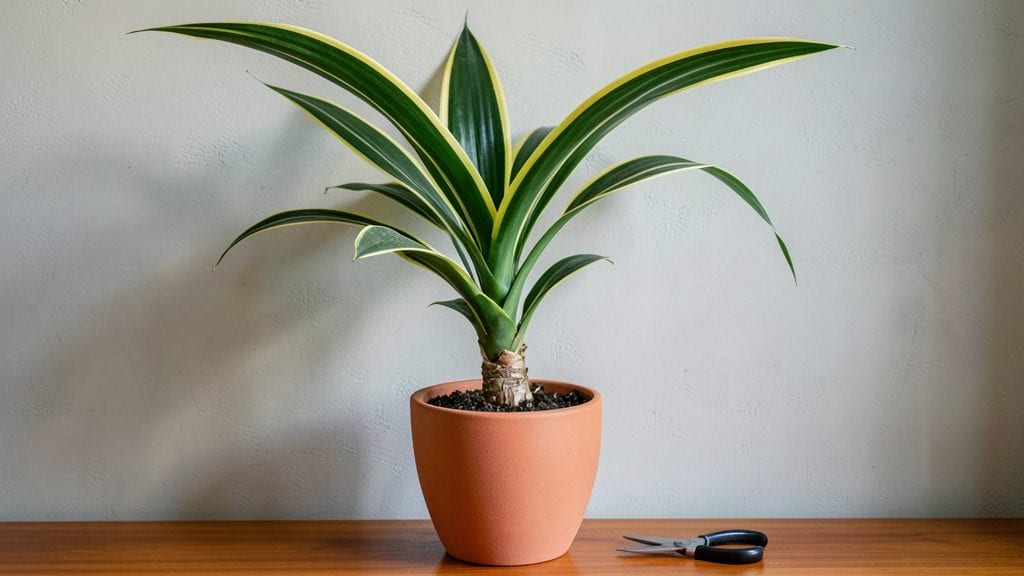
Tall vase plants instantly turn any space into a vertical garden statement—no sprawling yard required. ✨ I started with a single 3-foot bamboo vase and a handful of ornamental grasses, and suddenly my tiny apartment had drama.
The key isn't just picking tall plants; it's choosing ones that hold their shape, thrive in containers, and complement your space's vibe.
You'll want plants like Dracaena marginata (dragon tree) for sleek foliage, Asparagus densiflorus (asparagus fern) for airy texture, or Snake Plant for bold, architectural leaves. Pair them with vases that add height—think tall ceramic urns, minimalist glass cylinders, or woven baskets for organic texture.
Most of these thrive in bright, indirect light and need watering when the top inch of soil feels dry.
The magic happens when you mix textures and heights—imagine tall grasses spilling over a wide-mouth vase next to a slim, spiky Yucca in a narrow glass container. These arrangements create focal points without stealing floor space, and they're surprisingly low-maintenance once established.
A little pruning keeps them looking polished, and rotating the vase occasionally ensures even growth.
Works for sunrooms, entryways, or even office corners—just adapt the plants to your light conditions. The best part? You can swap out seasonal varieties (like Eucalyptus in winter) to keep your display fresh all year. Let's make your space feel like a lush, elevated garden without the footprint.
📚 In This Guide
- What you need
- Instructions
- Tips and common mistakes
- Wrapping up and next steps
What you need
- ● Tall vase or container: Choose one with a height of at least 24–36 inches (or taller for dramatic effect!). Opt for ceramic, glass, or metal—just ensure it has drainage holes if planting directly.
- ● Drainage layer: Small pebbles, gravel, or broken pottery pieces (1–2 inches deep) to prevent root rot.
- ● Well-draining potting mix: A high-quality blend for your chosen plants (e.g., cactus/succulent mix for drought-tolerant varieties or peat-heavy mix for tropical plants).
- ● Tall, trailing, or upright plants: Pick 1–3 varieties that thrive in similar light/soil conditions. Top picks: Snake plant (Sansevieria)
- ● Spider plant (Chlorophytum comosum)
- ● Pothos (Epipremnum aureum)
- ● Bird of paradise (Strelitzia reginae)
- ● Dracaena (Dracaena marginata)
- ○ Decorative elements (optional): Moss or sphagnum for a natural, earthy look.
- ● Small pebbles or sand for texture.
- ● Miniature figurines or driftwood for whimsy.
- ● Trowel or small shovel for planting.
- ● Watering can with a narrow spout or spray bottle for precise hydration.
- ● Scissors or pruning shears for trimming plants.
- ○ Gloves (optional, if handling spiky plants like cacti).
- ● Measuring tape or ruler to check plant spacing.
- ● A spot with the right light conditions for your plants (e.g., bright indirect light for tropicals, low light for snake plants).
- ● Access to water and a way to dispose of excess soil/pebbles.
- ● Patience! Some plants take weeks to show their full vertical potential.
How to create stunning tall vase plant arrangements
Here's how I design vertical focal points that bring height and elegance to any room without sacrificing floor space.
🌿 Step 1: Select Plants With Complementary Growth Habits
Choose plants that grow at different rates to create natural layers. I typically select one fast-growing specimen like a Dracaena marginata or snake plant as the centerpiece—it will reach 6-8 feet over time. Pair it with medium-height fillers such as a bird-of-paradise or a striped Dracaena that grow 3-5 feet. Finally, add low-growing accent plants like a fittonia or pothos to soften the base and prevent a harsh vertical line.
Look for plants with varying leaf textures and colors to add visual interest. A glossy, dark green plant like a monstera contrasts beautifully with a silvery, feathery asparagus fern. Avoid plants with similar leaf shapes—they'll blend into one another instead of creating drama. I always check the mature height of each plant to ensure they'll complement each other in 6-12 months.
🪴 Step 2: Choose the Right Vase and Container System
For true height, I use a tall, narrow vase at least 24 inches tall with a wide base to provide stability. The vase should be at least 6 inches in diameter to accommodate the root systems of your plants. For smaller spaces, a hanging planter system with individual pockets allows you to create vertical layers without taking up floor space.
If using a single vase, select one with multiple drainage holes near the base. Line the bottom with 1-2 inches of decorative pebbles to improve drainage and prevent root rot. For hanging systems, choose pockets that are at least 6 inches deep to give roots room to establish. I always test the weight of the vase before planting—fill it with water to ensure it won't tip over when full.
💧 Step 3: Layer Soil and Plants for Stability and Growth
Start by filling the base of the vase with 3-4 inches of lightweight potting mix. Press it gently to create a firm foundation, then add a 1-inch layer of hydroponic clay pebbles to improve aeration. Place your tallest plant in the center, pushing the potting mix around its roots to secure it. Add 2-3 inches of potting mix around the base, firming it gently to eliminate air pockets.
Next, add your medium-height plants around the centerpiece, spacing them 3-4 inches apart to allow room for growth. Fill the gaps with more potting mix, pressing lightly to support the stems. For the base layer, tuck in your trailing or low-growing plants, covering their roots completely. Water thoroughly until it drains from the bottom, then let it sit for 10-15 minutes to ensure even moisture distribution.
☀️ Step 4: Position for Optimal Light and Airflow
Place your tall arrangement in a spot with bright, indirect light—most tropical vase plants thrive in 50-75% light conditions. Avoid direct sunlight, which can scorch leaves, especially on variegated or light-colored plants. Rotate the vase a quarter turn weekly to ensure even growth and prevent the plants from leaning toward the light source.
Ensure there's at least 12 inches of space between the top of the arrangement and any ceiling fans or air vents. Good airflow prevents fungal diseases, but avoid placing it in a drafty area where cold air could damage the leaves. I like to group my tall vases together to create a lush, jungle-like corner that feels both dramatic and inviting.
⏰ Step 5: Maintain With Consistent Care and Pruning
Water your tall arrangement when the top 1-2 inches of soil feel dry to the touch. Most vase plants prefer consistent moisture but hate soggy roots, so I use a self-watering system with a reservoir at the base for larger setups. Fertilize every 4-6 weeks during the growing season with a balanced liquid fertilizer diluted to half strength to avoid burning delicate roots.
Prune leggy growth or yellowing leaves as soon as you notice them to encourage bushier, healthier growth. For fast-growing plants like pothos or philodendron, trim back stems that trail too far from the vase to maintain a neat appearance. I also dust the leaves every 2-3 months with a damp cloth to keep them absorbing light efficiently—this makes a surprising difference in the overall vibrancy of the arrangement.
Tips & tricks for perfect tall vase plant arrangements
Creating vertical plant drama doesn't have to be complicated—these key insights will help you craft arrangements that feel both intentional and effortless.
Layering Strategy: When arranging your plants in Step 3, think of the "thirds rule" for visual balance. Place your tallest plant in the center third of the vase, then position medium-height plants in the upper third and low-growing accents in the bottom third. This creates natural visual flow and prevents the arrangement from looking top-heavy. I often sketch a quick diagram first to visualize the height progression before planting.
Root Support Secret: The 10-15 minute watering pause after planting in Step 3 is crucial for root establishment. During this time, gently press the potting mix around each plant's base to eliminate air pockets—this prevents roots from floating upward. For particularly top-heavy arrangements, I like to add a small bamboo stake near the centerpiece plant to provide extra support during its early growth phase.
Light Rotation Hack: That quarter-turn weekly rotation in Step 4 isn't just about even growth—it's also a great way to spot potential problems early. When you rotate, check for signs of pest activity on the undersides of leaves or uneven coloration that might indicate light stress. I've caught spider mite infestations this way before they became full-blown issues.
Seasonal Adjustments: During winter months when indoor air gets dry, increase your watering frequency slightly—check the top 1-2 inches of soil every 5-7 days instead of waiting for the full 10-14 day interval. The clay pebbles layer you added in Step 2 will help maintain moisture consistency while preventing root rot, even with more frequent watering.
Pro Tips for Tall Vase Plants
- Creating vertical plant drama doesn't have to be complicated—these key insights will help you craft arrangements that feel both intentional and effortless.
- Layering Strategy: When arranging your plants in Step 3, think of the "thirds rule" for visual balance.
- Root Support Secret: The 10-15 minute watering pause after planting in Step 3 is crucial for root establishment.
Frequently asked questions
Got questions about making your tall vase plants the star of your space? We’ve got answers! Here are some of the most common queries—plus expert tips to keep your vertical greenery thriving.
What are the best tall vase plants for small spaces?
Opt for snake plants, ZZ plants, or pothos—they’re low-maintenance and grow tall without sprawling. For a pop of color, try calathea or spider plants. Just ensure they get the right light (most prefer indirect) and a sturdy vase to support their height!
How often should I water tall vase plants?
Watering depends on the plant, but a general rule is every 1–2 weeks for most varieties. Stick your finger 1–2 inches into the soil—if it’s dry, it’s time to water. Overwatering is the #1 killer, so always use a vase with drainage holes or a cache pot to prevent root rot.
Can I grow tall vase plants indoors year-round?
Most tall vase plants thrive indoors as long as they get bright, indirect light (near a window works great). Rotate them occasionally for even growth. If your space is dim, choose light-tolerant plants like cast iron plants or parlor palms.
Why is my tall vase plant leaning or falling over?
Leaning usually means your plant is reaching for light. Move it closer to a window or add a grow light. If it’s top-heavy, trim the longest stems or stake it with a bamboo stick for support. For ZZ plants, leaning is normal—they grow toward light but stay sturdy!
How can I style tall vase plants in my decor?
Get creative! Place them in corner nooks, behind sofas, or as a room divider. Pair with trailing plants (like string of pearls) for contrast, or use a geometric vase to match your aesthetic. For a boho vibe, mix textures with woven baskets or macramé hangers.
Wrapping up and next steps
Tall vase plants are the perfect way to bring dramatic height and lush beauty to small spaces without sacrificing style. Whether you’re drawn to towering snake plants, elegant bamboo, or bold fiddle-leaf figs, these greenery giants prove that big impact doesn’t need big square footage.
With the right care and a little creativity, you can transform any corner into a verdant vertical masterpiece!
Ready to elevate your space? Start by picking your favorite tall plant and revisit the essentials—then watch your decor soar! 🌿✨