Size
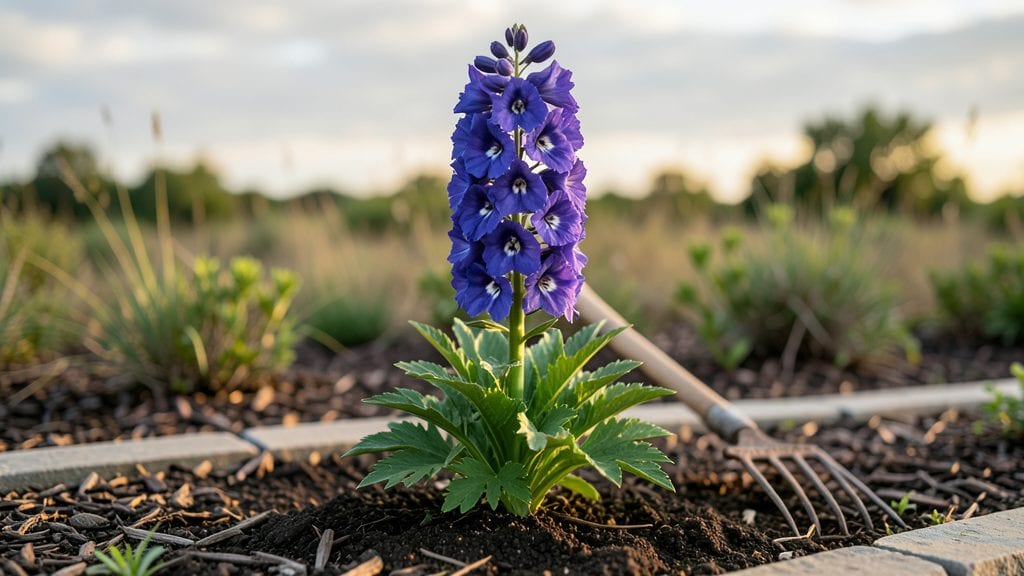
Tall garden plants turn small spaces into dramatic backdrops. 🌿 I’ve seen them transform a cramped city yard into a lush, layered retreat—just by stacking the right varieties. The key isn’t just height; it’s how they work together to create privacy, shade, or even a natural trellis for climbing friends.
Start with sun-loving stars like sunflowers (6–12 feet) for bold summer color or bamboo (10–30 feet) for fast-growing privacy. For shade lovers, hollyhocks (4–6 feet) add old-fashioned charm, while tall ornamental grasses (3–8 feet) sway with movement.
Pair them with shorter perennials—like lavender or salvia—to frame their height without overwhelming the space.
You’ll end up with a garden that feels intentional, not cramped. The tallest plants anchor the design, while their companions add texture and color at eye level. Plus, they’re easier to maintain than you’d think—just prune once a year and watch them grow.
Works for any yard size, from narrow side gardens to balcony planters. Here’s how to choose, place, and layer them like a pro—without sacrificing beauty for space.
📚 In This Guide
- What you need
- Instructions
- Tips and common mistakes
- Wrapping up and next steps
What you need
- ● Tall plants: Choose 3–5 varieties (e.g., sunflowers, hollyhocks, or ornamental grasses). Pick 2–3 mature plants (1–2 ft tall) or seeds for DIY growth.
- ● Containers or pots: 2–3 large containers (12–18 inches deep) with drainage holes, or a raised bed (if planting directly).
- ● High-quality potting mix: 5–10 gallons, depending on container size. Opt for a blend with compost for nutrients.
- ● Fertilizer: Slow-release granular fertilizer (10–10–10 ratio) or organic options like worm castings.
- ● Watering can or hose: With a gentle spray nozzle for even moisture.
- ● Stakes or trellis: 3–4 bamboo stakes (3–4 ft tall) or a lightweight metal trellis for support.
- ● Pruning shears: For trimming and shaping as plants grow.
- ● Gloves & knee pads: To protect your hands and knees during planting.
- ● Mulch: 2–3 bags of shredded bark or straw to retain moisture and suppress weeds.
- ● Plant ties: Soft fabric ties to secure plants to stakes without damaging stems.
- ● Decorative accents: Solar-powered garden lights or colorful pebbles for a polished look.
- ● Soil pH test kit: To ensure your mix is optimal for your chosen plants.
How to design a stunning vertical garden with tall plants
Transform narrow spaces into lush vertical gardens using these towering beauties—no wasted square footage here.
🌱 Step 1: Select Tall, Architectural Plants for Structure
Choose plants that naturally reach 6 feet or taller to create vertical impact. I favor sun-loving perennials like Joe Pye weed (Eutrochium purpureum), which hits 5-7 feet with bold purple blooms, or Russian sage (Perovskia atriplicifolia), a drought-resistant 4-5 foot airy shrub with lavender spikes. For instant height, tall ornamental grasses like Miscanthus sinensis (6-8 feet) add movement and texture.
Check mature heights before planting—what fits in your space now may outgrow it in a season. I always sketch a rough vertical profile on graph paper, marking each plant's expected height and spread. This prevents crowded, competitive growth later.
🪴 Step 2: Prepare Planting Sites for Deep Roots
Tall plants need deep, well-amended soil to support their height. Dig holes twice as wide as the root ball and 12-18 inches deep to encourage root expansion. Amend the native soil with 3 gallons of compost per plant to improve drainage and fertility—tall plants are heavy and need stable nutrition.
If your soil is clay-heavy, mix in 2 gallons of perlite per hole to prevent compaction. I like to add a slow-release fertilizer (like 10-10-10) at planting time to fuel early growth. Water deeply after planting to eliminate air pockets around roots.
☀️ Step 3: Position for Sunlight and Wind Protection
Most tall plants thrive in full sun (6+ hours daily), but some like tall ferns (Matteuccia struthiopteris) prefer partial shade (3-6 hours). Place taller varieties toward the north or west side of your garden to avoid shading shorter plants. I group sun-lovers together and shade-tolerant species in separate zones to simplify care.
Wind can stress tall plants by causing stem flopping or leaf scorch. If your yard is exposed, stake grasses and delicate stems at planting with 3-foot bamboo stakes tied loosely with jute twine. This gives them support while allowing natural movement.
✂️ Step 4: Prune Strategically for Shape and Health
Annual pruning keeps tall plants upright and bushy. In early spring, cut back last year’s growth by 1/3 on perennials like Russian sage to encourage fresh, vigorous shoots. For grasses, I cut back to 6 inches tall in late winter before new growth begins—this prevents flopping and keeps their shape tidy.
Deadhead spent blooms throughout the season to redirect energy into stem strength rather than seed production. I always use clean, sharp pruners to avoid tearing stems, which can invite disease. Prune afternoon growth in late summer to extend the blooming season.
💧 Step 5: Water Deeply and Mulch for Stability
Tall plants have deep root systems that need consistent moisture to reach maturity. Water once a week during dry spells, applying 1-2 gallons per plant until the soil is 12 inches deep and damp. Use a soaker hose to deliver water slowly at the base—this prevents leaf diseases from overhead sprinkling.
Apply 3 inches of mulch (like shredded bark) around the base to retain moisture and protect roots from temperature swings. Keep mulch 6 inches away from stems to prevent rot. I top up mulch annually in spring—this simple step saves 30% on watering over the season.
Tips & tricks for perfect vertical garden design
Creating a stunning vertical garden starts with understanding how to maximize every inch of vertical space—here are the key strategies that'll transform your narrow yard into a lush, multi-level oasis.
Plant Height Strategy: In Step 1, when selecting your 6-foot-tall plants, consider creating visual layers by pairing different heights. Place your Joe Pye weed (5-7 feet) at the back, Russian sage (4-5 feet) in the middle, and Miscanthus sinensis (6-8 feet) grasses as dramatic focal points at the front. This creates depth perception that makes your vertical space appear even taller. I like to sketch a simple vertical cross-section to visualize how each plant will interact with others.
Soil Preparation Secret: The deep planting holes in Step 2 are crucial—don't skimp on depth! For clay-heavy soils, I've found that mixing in 2 gallons of perlite per hole creates a looser medium that prevents compaction. This is especially important for tall plants whose weight can compress soil over time. I also recommend adding a handful of worm castings to the hole for extra microbial activity that helps roots establish faster.
Wind Protection Hack: When staking grasses and delicate stems in Step 3, use 3-foot bamboo stakes but position them at a 45-degree angle rather than straight up. This creates a more natural support system that allows plants to sway slightly in the wind while maintaining stability. I've seen plants with straight stakes develop weak stems that flop over in strong winds—this angled approach prevents that completely.
Pruning Timing Tip: The late summer pruning in Step 4 is where you can really extend your blooming season. I've found that cutting back afternoon growth (around 3-4 PM) gives plants time to recover overnight before the next day's heat. This simple timing adjustment can add 2-3 extra weeks of flowering compared to morning pruning. Just be sure to use clean pruners—dull blades can crush stems and invite disease.
Pro Tips for Tall Garden Plants
- Creating a stunning vertical garden starts with understanding how to maximize every inch of vertical space—here are the key strategies that'll transform your narrow yard into a lush, multi-level oasis.
- Plant Height Strategy: In Step 1, when selecting your 6-foot-tall plants, consider creating visual layers by pairing different heights.
- Soil Preparation Secret: The deep planting holes in Step 2 are crucial—don't skimp on depth!
Frequently asked questions
Got questions about maximizing vertical space with tall garden plants? You’re not alone! Here are some common concerns—and expert answers—to help you grow with confidence.
What are the best tall plants for small spaces?
Opt for fast-growing, low-maintenance varieties like sunflowers, hollyhocks, or tall ornamental grasses. For shade, try heuchera or astilbe. Always check your zone and sunlight conditions—matching plants to your space is key!
When is the best time to plant tall garden plants?
For most tall perennials, spring (after the last frost) is ideal. Annuals can go in late spring or early summer for a full-season show. Give them time to establish roots—6-8 weeks before the first frost is a safe window for cool climates.
How do I prevent tall plants from flopping over?
Use sturdy stakes, rings, or cages for heavy bloomers like delphiniums. For grasses or willows, weave them into a trellis or plant near a wall. Pro tip: Prune leggy stems in early spring to encourage bushier growth!
Can I grow tall plants in containers?
Choose large, deep pots (12"+ diameter) with drainage and a support structure (like a tomato cage). Dwarf varieties (e.g., ‘Moulin Rouge’ sunflower) work best. Just water frequently—containers dry out faster!
What do I do if my tall plants get too crowded?
Thin them out early in the season to avoid root competition. For perennials, divide clumps every 3-4 years. If pests or disease strike, remove affected leaves immediately and treat with neem oil or fungicide.
Still stumped? Drop your question below—we’re happy to help your vertical garden thrive!
Wrapping up and next steps
Tall garden plants are a game-changer for small yards, turning limited space into a lush, vertical oasis! Whether you're drawn to towering ornamental grasses, privacy-providing shrubs, or edible climbers, these plants offer beauty, function, and sustainability.
With the right choices and a little care, you can create a stunning, space-efficient garden that thrives year-round.
Ready to transform your compact yard? Start by sketching out your dream layout—measure your space, pick your favorites, and plant with confidence! 🌱✨