Lawn
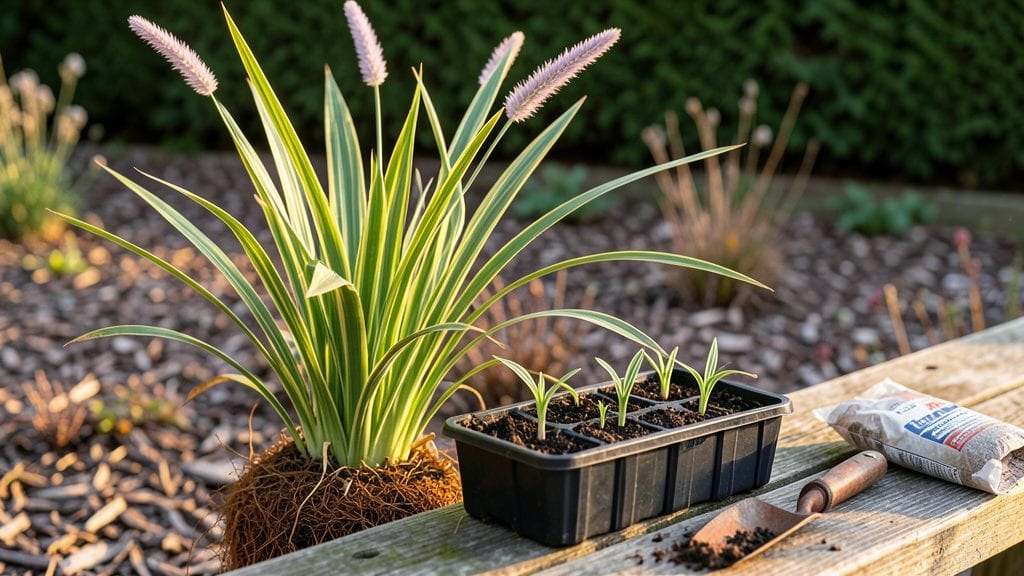
Planting wild grass transforms bare spots into a thriving, self-sustaining lawn in just 30 days—no mower, no chemicals, just nature doing the work. 🌱 I’ve watched patches of dirt turn into vibrant green carpets after spreading just a handful of native seeds, and the best part?
Once established, it practically takes care of itself.
The secret lies in choosing the right mix for your climate—whether you want ornamental beauty, erosion control, or a wildlife haven. Skip the fancy starter fertilizer; wild grass thrives on minimal prep.
Clear debris, loosen the soil just enough, and scatter seeds lightly. Water once daily for the first two weeks, then let the rain take over. It’s that simple.
By day 30, you’ll see dense, clumping growth that outcompetes weeds naturally. The grass stays green through droughts, requires zero pesticides, and even supports local pollinators. No more fighting brown patches or spending weekends mowing—just a resilient, eco-friendly lawn that keeps getting better every year.
Works for sloped yards, shady corners, or even urban patches where traditional grass struggles. Here’s how to make it happen without the hassle of conventional lawns.
📚 In This Guide
- What you need
- Instructions
- Tips and common mistakes
- Wrapping up and next steps
What you need
- ● Native wild grass seed mix (10–20 lbs per 1,000 sq ft) – Choose a blend suited to your climate (e.g., Fescue, Buffalo Grass, or Bluegrass).
- ○ Compost or organic fertilizer (optional but recommended for nutrient boost).
- ● Mulch (straw or wood chips) (1–2 bags per 500 sq ft) – Protects seeds from birds and erosion.
- ● Rake (bow or leaf rake) – For leveling soil and removing debris.
- ○ Garden hoe or till (optional) – Loosens compacted soil for better seed contact.
- ● Broadcast spreader (or hand-spreading method) – Ensures even seed distribution.
- ● Watering can or hose with spray nozzle – Gentle watering is key!
- ● Gloves & knee pads – Because comfort matters!
- ● Sunlight access – Wild grass thrives in full sun (6+ hours/day).
- ● Well-draining soil – Test soil pH (ideal: 6.0–7.5); amend if needed.
- ● Weather window – Plant in spring or early fall for optimal germination.
- ● Patience (30 days!) – Wild grass grows slower but stays green longer.
Step-by-Step instructions for planting wild grass
Here's how to transform bare soil into a thriving, resilient lawn in just four weeks.
🌱 Step 1: Prepare the Soil for Optimal Germination
Start by removing any existing vegetation, rocks, or debris from the planting area using a garden rake. Wild grass thrives in well-aerated soil, so loosen the top 4-6 inches with a broadfork or tiller. This breaks up compacted layers and encourages root penetration.
Test the soil pH—wild grass prefers a slightly acidic to neutral range of 6.0-7.0. If your soil is too alkaline, amend it with 1-2 pounds of sulfur per 100 square feet and mix thoroughly. A soil test kit will give you precise readings, but you can also use a simple home test kit for a quick assessment.
Even moisture is critical for germination. Water the prepared area deeply until the soil is 6-8 inches wet, then let it drain completely before planting. This ensures seeds won’t sit in soggy soil, which can cause rot or uneven sprouting.
💧 Step 2: Choose and Distribute Wild Grass Seed
Select a wild grass seed mix suited to your climate—native varieties like fine fescue, creeping red fescue, or buffalo grass require minimal maintenance and outperform traditional lawn grasses in drought conditions. Scatter the seed evenly by hand or with a broadcast spreader, aiming for a coverage rate of 8-12 pounds per 1,000 square feet.
Lightly rake the seed into the soil with a stiff-bristled rake, pressing it just enough to ensure good soil-to-seed contact without burying it too deeply. Wild grass seeds need light to germinate, so keep the depth at ¼ inch or less. If you’re planting in windy conditions, consider securing the seed with a thin layer of straw or peat moss.
Water immediately after planting to settle the seed into the soil. Use a fine mist setting on your hose or a gentle sprinkler to avoid displacing the seeds. Keep the soil surface consistently moist—never soggy—for the first 10-14 days. You’ll know you’re on track when the soil feels damp 1 inch below the surface.
☀️ Step 3: Maintain Moisture and Light for Rapid Growth
For the first 30 days, water daily in the morning to keep the top 2 inches of soil moist. Avoid overhead watering after germination to prevent fungal diseases like damping-off, which can kill young seedlings. Instead, use a soaker hose or drip irrigation to deliver water directly to the root zone.
Wild grass thrives in full sun to partial shade, so ensure your planting area receives at least 4-6 hours of direct sunlight daily. If you’re establishing the lawn in late summer or fall, monitor for heat stress—young grass may need afternoon shade during peak heat waves. You’ll notice the first sprouts in 7-21 days, depending on temperature and moisture.
Once the grass reaches 2-3 inches tall, gradually reduce watering to 2-3 times per week. This encourages deeper root growth and prepares the lawn for drought conditions. Avoid walking on the new grass until it’s 3-4 inches tall to prevent soil compaction and damage to delicate roots.
✂️ Step 4: Transition to Low-Maintenance Care
After 4-6 weeks, when the grass is 3-4 inches tall and fully established, mow it for the first time using a sharp blade set to 3 inches. Never remove more than ⅓ of the grass height in a single mowing to avoid stressing the plants. Bag the clippings initially to prevent thatch buildup, but once the lawn is mature, you can leave them on the surface to return nutrients to the soil.
Fertilize lightly with a slow-release, organic fertilizer formulated for wild or native grasses. Apply at a rate of ½ pound per 1,000 square feet in early spring and again in early fall. Over-fertilizing encourages weak growth and attracts pests—wild grass is designed to thrive with minimal inputs.
Finally, consider overseeding bare or thin patches in early fall to fill gaps naturally. Wild grass spreads over time through both seed and stolons (above-ground runners), so you’ll see gradual improvement in density and coverage with each growing season.
Tips & tricks for perfect wild grass planting
Transforming bare soil into a thriving wild grass lawn takes patience and precision—here are my battle-tested secrets to ensure every step works flawlessly.
Soil Preparation Secret: In Step 1, when loosening the top 4-6 inches, focus on breaking up hardpan layers without creating clumps. I use a broadfork to aerate deeply, then pass over the area with a garden rake to create a fine, crumbly texture. This mimics natural soil conditions that wild grass thrives in. Don't skip this—compacted soil will strangle your new growth from the start.
Seed Placement Technique: The ¼-inch depth rule in Step 2 is critical, but here's what nobody tells you: press the seeds lightly with your rake, then go over the area with a lawn roller weighted with 20-30 pounds. This ensures consistent seed-to-soil contact without burying them. For windy conditions, I've found straw mulch works better than peat moss—it's lighter and won't smother emerging sprouts.
Watering Precision: During the first 10-14 days in Step 2, I set up a simple timer on my irrigation system for 15-minute cycles every 4 hours. This maintains that perfect 1-inch dampness without creating puddles. The key is morning watering only—evening moisture invites fungal diseases. Use a moisture meter to verify your watering schedule, especially if you're in a region with inconsistent rainfall.
Heat Stress Prevention: In Step 3, if you're planting in late summer, create temporary shade using lightweight shade cloth (30-50% coverage) during peak afternoon sun. I've seen young wild grass scorch in as little as 3 days of intense heat. Monitor your seedlings daily—healthy grass should have a vibrant green color and firm texture. If leaves look limp or blue-gray, it's a sign of heat stress.
Pro Tips for Planting Wild Grass
- Transforming bare soil into a thriving wild grass lawn takes patience and precision—here are my battle-tested secrets to ensure every step works flawlessly.
- Soil Preparation Secret: In Step 1, when loosening the top 4-6 inches, focus on breaking up hardpan layers without creating clumps.
- Seed Placement Technique: The ¼-inch depth rule in Step 2 is critical, but here's what nobody tells you: press the seeds lightly with your rake, then go over the area with a lawn roller weighted with 20-30 pounds.
Frequently asked questions
Got questions about transforming your yard with wild grass? Here are answers to the most common ones—so you can dive in with confidence!
What’s the best time of year to plant wild grass?
For most regions, spring (March–May) or early fall (September–October) are ideal. These seasons offer mild temperatures and consistent moisture, helping seeds germinate faster. Avoid planting in extreme heat or drought—your grass will need extra TLC to survive!
Is wild grass really cheaper than traditional lawn seed?
Wild grass mixes cost 30–50% less than Kentucky bluegrass or fescue, and they require far fewer fertilizers, pesticides, or water. Over 5 years, you could save $500+ on maintenance. Plus, it thrives in poor soil—no need for pricey soil amendments!
Will wild grass attract weeds or pests?
Not if you choose the right mix! Native wild grass blends (like tall fescue or buffalo grass) are drought-resistant and pest-deterrent. Weeds struggle to take root in dense wild grass. Just mow occasionally and avoid overwatering—this keeps both weeds and pests at bay naturally.
How long until my wild grass looks fully established?
With proper care, you’ll see noticeable growth in 3–4 weeks, but full coverage takes 6–12 months. The first year is critical—keep it moist (but not soggy) and mow when it hits 4–6 inches. After that, it’s self-sustaining with minimal effort!
Can I plant wild grass over existing weeds or dead grass?
Yes! Start by mowing your lawn as short as possible, then till the soil lightly (or use a rake for small areas). This helps seeds make contact with the earth. For stubborn weeds, apply a natural pre-emergent 1–2 weeks before planting. Wild grass will outcompete weeds once established!
What if my wild grass turns brown or dies in summer?
Don’t panic—many wild grass varieties go dormant in drought or heat (like buffalo grass). Once rain returns, it’ll bounce back! Water deeply once a week during dry spells, and avoid mowing too short. Over time, it’ll develop deeper roots and handle heat better.
Wrapping up and next steps
Planting wild grass is your ticket to a stunning, eco-friendly lawn that thrives with minimal effort—no more mowing marathons or water wars! 🌿 By choosing native grasses, you’re not just saving time; you’re supporting local ecosystems, cutting costs, and creating a resilient landscape that’s built to last.
Whether you’re a busy parent, a weekend warrior, or just someone who loves a green thumb, this method proves that beauty and ease go hand in hand.
Ready to transform your outdoor space? Start small—pick a section of your yard this weekend and watch your wild grass dreams take root in just 30 days. Your future self (and the planet) will thank you!