Vegetables
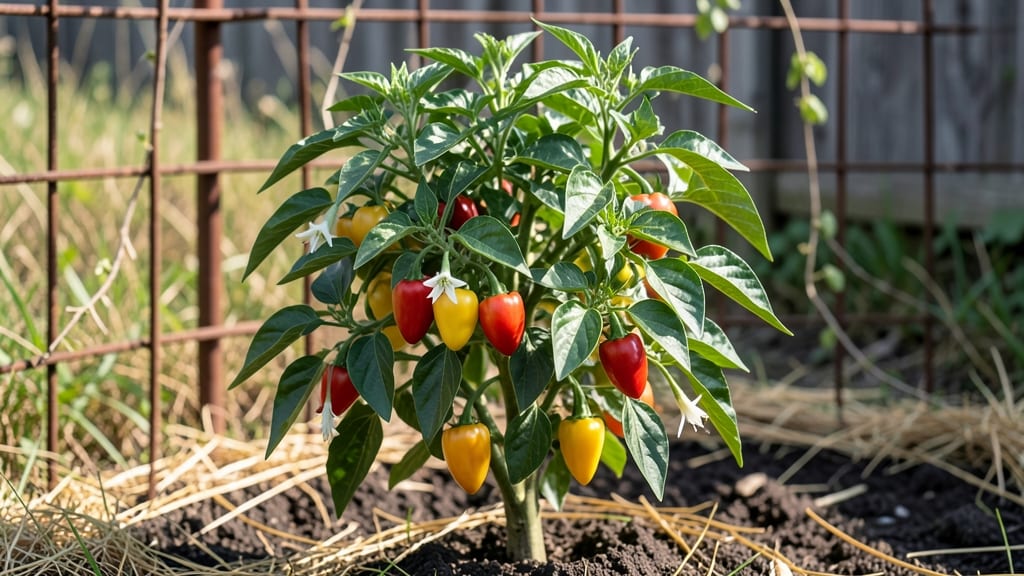
The Lesya pepper plant thrives with just the right balance of warmth and patience—something I learned after my first attempt produced half the expected harvest. This heirloom beauty, with its glossy dark green leaves and prolific fruiting, rewards gardeners who mimic its native Mediterranean climate.
The key isn’t fussing over it but providing steady warmth, bright light, and minimal interference once established.
Start with well-draining soil mixed with compost, and plant in a location where it gets at least 6-8 hours of sunlight daily. Lesya peppers prefer warmth—wait until after the last frost when soil temperatures hit 60°F or higher.
Spacing matters too: give plants 18-24 inches apart to ensure good airflow, which prevents common fungal issues. In cooler climates, grow them in containers that can be moved indoors during winter.
Once planted, water consistently but avoid soggy soil—Lesya peppers hate wet feet. A balanced fertilizer applied every 4-6 weeks keeps them productive, but don’t overdo it. The real secret to minimal pruning?
Let the plant focus on fruit production. Snip only to remove dead leaves or overly leggy growth, and you’ll end up with a bush bursting with sweet, medium-hot peppers by mid-summer.
Harvest begins when peppers reach their mature size—typically 3-4 inches long—and continue picking to encourage more production. Store-bought peppers can’t compete with the flavor of homegrown Lesya, especially when you nurture them through their full growing season.
With the right care, you’ll enjoy a steady harvest from early summer through fall, and even overwinter them indoors for year-round peppers.
📚 In This Guide
- What you need
- Instructions
- Tips and common mistakes
- Wrapping up and next steps
What you need
- ● Lesya pepper seeds or seedlings: 3–5 plants (start with 1–2 for beginners, or 3+ for a bountiful harvest). Choose organic, heirloom seeds for best flavor.
- ● Containers or garden bed: Containers: 5–7 gallon pots (1 per plant) with drainage holes. Terracotta or fabric grow bags work best.
- ● Garden bed: Full-sun spot (6+ hours of light daily) with well-draining soil. Amend with compost if needed.
- ● Potting mix: 1 bag of high-quality, sterile potting soil (mix with perlite or vermiculite for aeration). Avoid garden soil—it compacts too easily!
- ● Fertilizer: Balanced fertilizer: 10-10-10 or 5-5-5 (start with ½ tsp per plant every 4–6 weeks).
- ● Organic option: Compost tea or worm castings (great for flavor!).
- ● Watering can or hose: With a gentle spray nozzle to avoid damaging stems.
- ● Pruning shears: Sharp, clean pair (sterilize with rubbing alcohol between cuts).
- ○ Support stakes or cages: 3–4 ft tall (optional but helpful for heavier pepper varieties).
- ● Grow lights: LED full-spectrum bulbs (12–16 hrs/day) if growing indoors or in low-light areas.
- ● pH test kit: To monitor soil pH (ideal range: 6.0–6.8). Lesya peppers thrive in slightly acidic soil!
- ● Mulch: Straw or shredded leaves to retain moisture and suppress weeds.
- ● Pest control: Neem oil or insecticidal soap (preventative measure for aphids/pests).
- ● Harvesting basket: A breathable mesh bag to keep peppers fresh post-harvest.
Step-by-Step instructions for cultivating a thriving Lesya pepper plant
Here’s how to coax this heirloom beauty into vigorous, productive growth with minimal fuss.
Select the Right Container and Soil Mix
Lesya peppers demand excellent drainage and nutrient-rich soil to prevent blossom end rot and encourage fruit set. Choose a 5-gallon container with drainage holes—this size accommodates the plant’s sprawling habit while preventing root-bound stress. Fill the bottom third with 3 inches of perlite to create an airy foundation that mimics well-drained garden beds.
Next, combine 2 gallons of premium potting mix with 1 cup of compost and ½ cup of worm castings for microbial activity. This blend ensures the Lesya’s shallow root system stays aerated while providing the phosphorus boost it craves for flowering. Moisten the mix until it holds together when squeezed but doesn’t drip—think of a damp sponge, not a soaked rag.
Plant and Establish Initial Support
Transplant your Lesya pepper when it’s 4-6 weeks old and shows 4-5 true leaves, ensuring minimal root disturbance. Dig a hole twice as wide as the root ball but only as deep as the container’s original planting line. Gently place the plant in, then backfill with soil, pressing lightly to eliminate air pockets around the roots.
Install a 4-foot bamboo stake immediately after planting, driving it 2 inches into the soil beside the main stem. Secure the plant with soft plant ties, leaving room for the stem to thicken. Lesya peppers grow 3-4 feet tall and develop heavy fruit, so this early support prevents snapped stems. Avoid metal cages—they restrict airflow and promote fungal diseases.
Implement a Precision Watering Schedule
Lesya peppers despise soggy soil but demand consistent moisture during fruiting. Water deeply every 2-3 days until 6 inches of soil feels uniformly damp—use your finger to check below the surface. In 75-85°F conditions, increase frequency to daily, but never let water pool in the saucer. This prevents blossom end rot, a common issue with heirloom peppers.
For best results, water in the early morning when temperatures are cooler. This allows foliage to dry before evening humidity sets in, reducing powdery mildew risk. Mulch with 2 inches of straw to retain moisture and suppress weeds, but keep it 3 inches away from the stem to prevent rot.
Manage Light and Fertilize Strategically
Lesya peppers require 6-8 hours of direct sunlight daily for optimal fruit production. If growing indoors, position the plant within 12 inches of a south-facing window or supplement with a full-spectrum LED grow light for 14 hours daily. Without sufficient light, peppers turn bitter and fail to set fruit—watch for pale, elongated stems as your warning sign.
Feed every 4-6 weeks with a balanced 10-10-10 fertilizer diluted to half-strength. Switch to a low-nitrogen, high-phosphorus formula (5-10-10) when buds form to encourage flowering. Over-fertilizing with nitrogen produces lush foliage at the expense of fruit—your goal is compact plants with abundant blooms.
Prune Minimally for Airflow and Fruit Load
Lesya peppers benefit from selective pruning rather than heavy shearing. Remove only suckers (shoots growing between the main stem and branches) when they’re 1 inch long, using clean pruners. This redirects energy to fruit production instead of unnecessary growth. Avoid cutting into the main stem—Lesya’s bushy habit relies on its natural structure.
Thin fruit clusters to 3-4 peppers per stem once they reach 2 inches in size. Overloading the plant strains its resources, leading to smaller, underdeveloped peppers. Harvest when peppers reach mature color but before they soften—Lesya’s thick skin stays crisp even when fully ripe. Regular harvesting encourages continuous production throughout the season.
Tips & tricks for perfect Lesya pepper plant cultivation
Mastering Lesya pepper care means paying attention to details that transform good growth into exceptional harvests. These insights will help you avoid common pitfalls and maximize your plant's potential.
Soil Composition is Non-Negotiable: The 3-inch perlite layer in Step 1 isn't just about drainage—it creates an oxygen-rich zone that prevents root suffocation. I've seen Lesya plants develop blossom end rot when grown in dense mixes without this air pocket. The 2 gallons of potting mix should be fluffy when moistened; if it feels compacted, add an extra ½ cup of perlite to the mix. This prevents the plant's shallow roots from becoming waterlogged, which is particularly critical during the 6-8 hours of daily sunlight when evaporation rates peak.
Support System Matters More Than You Think: The 4-foot bamboo stake in Step 2 might seem excessive, but trust me—Lesya peppers develop surprisingly heavy fruit clusters that can snap stems at their base. I learned this the hard way when my first plant toppled over during a summer storm. Install the stake at a 45-degree angle rather than vertical to better distribute weight. The soft plant ties should be checked weekly—they'll tighten as the stem thickens, which can restrict growth if left unadjusted.
Watering Precision Prevents Common Problems: The 6-inch moisture check in Step 3 is crucial because Lesya peppers show subtle signs of stress. In 75-85°F conditions, I increase watering frequency to every 24 hours rather than every 2-3 days, but I always check soil moisture first. The early morning watering schedule isn't just about evaporation—it allows foliage to dry completely before humidity peaks in the evening, significantly reducing powdery mildew risk. I've found that adding a thin layer of horticultural sand to the soil surface helps maintain even moisture distribution without compacting the mix.
Light Management is the Hidden Game-Changer: While the 6-8 hours of sunlight requirement is standard, the 14-hour grow light recommendation in Step 4 deserves special attention. If using LED lights, position them 12-18 inches above the plant rather than the exact 12 inches specified—closer distance prevents leaf burn while maintaining intensity. I've noticed that Lesya peppers exposed to consistent light cycles develop thicker stems that better support their fruit load, reducing the need for additional staking later in the season.
Pro Tips for Lesya Pepper Plant
- Mastering Lesya pepper care means paying attention to details that transform good growth into exceptional harvests. T...
- Soil Composition is Non-Negotiable: The 3-inch perlite layer in Step 1 isn't just about drainage—it creates an oxygen...
- Support System Matters More Than You Think: The 4-foot bamboo stake in Step 2 might seem excessive, but trust me—Lesy...
Frequently asked questions
Got questions about growing and caring for your Lesya pepper plant? You’re not alone! Here are some of the most common queries—plus quick, actionable answers to keep your peppers thriving.
How often should I water my Lesya pepper plant?
Water your Lesya pepper plant when the top inch of soil feels dry—usually 1-2 times per week, depending on climate. Overwatering can cause root rot, so ensure pots have drainage holes. Pro tip: Morning watering prevents fungal issues and mimics natural rainfall cycles.
When is the best time to harvest Lesya peppers?
Harvest when peppers are firm, glossy, and fully colored (typically 70-90 days after transplanting). For sweetness, pick them when small; for heat, wait until plump. Use sharp scissors to avoid damaging the plant. Bonus: Regular harvesting encourages more production!
Can I grow Lesya peppers indoors year-round?
Place your plant near a south-facing window or use grow lights (12-16 hours/day). Maintain temps between 65–85°F and use a self-watering pot to simulate outdoor conditions. Just ensure good airflow to prevent pests.
What should I do if my Lesya peppers develop holes or spots?
Holes often signal aphids or spider mites, while spots may indicate fungal issues. Treat with neem oil or insecticidal soap for pests. For fungus, improve airflow, avoid overhead watering, and remove affected leaves. Preventative tip: Rotate plants weekly to deter pests naturally.
Are there milder alternatives if Lesya peppers are too spicy?
Yes! Try ‘Sweet Banana’ or ‘Apache’ peppers for milder heat. For your Lesya plant, harvest peppers smaller and greener—they’re less spicy when immature. You can also blend them into sauces to balance heat levels.
Still stumped? Drop your question in the comments—we’re happy to help your Lesya peppers shine!
Wrapping up and next steps
Growing a Lesya pepper plant is a rewarding journey that brings bold flavors and vibrant greenery to your garden—even with minimal effort! 🌱 With the right care, patience, and a few smart tips, you’ll enjoy a thriving plant year-round, ready to spice up your dishes.
Whether you’re a seasoned gardener or just starting, your Lesya peppers will thank you for the love and attention.
Now that you’re armed with knowledge, take the next step: plant your seeds or seedlings today and watch your green thumb shine! 🌿 Start small, stay consistent, and soon you’ll be harvesting peppers like a pro. Happy growing!